







 HR & Safety Software
  ISO Training Academy
  foundU Client Login
Blogs
Brittany Byrne named finalist in the 2026 Lawyers Weekly Women in Law Awards
Brittany Byrne recognised as a finalist in the Mentor of the Year category.
15 October, 2026
 Blogs
12 December, 2025
Blogs
12 December, 2025

Creating a safe and healthy workplace doesn’t have to be complicated; sometimes it’s the small, consistent actions that make the biggest difference. These 10 quick wins are simple, low-cost steps you can start using today to boost safety, lift morale, and show your team their wellbeing really matters.
Good safety starts with open and honest conversations. Have regular safety chats with your employees – toolbox talks, morning check-ins or quick chats – about what’s going well and what needs attention. Your team members are on the ground every day, so they’ll often spot hazards before anyone else.
A tidy workplace is a safer workplace. Set aside a few minutes at the end of the day to remove clutter, store tools properly, and clear walkways. Poor housekeeping is one of the easiest hazards to fix – and one of the most common causes of injury.
Short, informal check-ins go a long way. Supervisors should routinely ask how staff are coping, especially during busy or high-pressure periods. This helps identify fatigue, stress, or psychosocial risks early, and promotes a supportive culture.
Take a moment to review your emergency procedures. Check that evacuation diagrams are current, fire extinguishers are in place and maintained, and first aid kits are fully stocked. Make sure all workers know who the first aiders and fire wardens are.
Take a walk through your worksite or office to check that exit signs, emergency diagrams, and hazard labels are still visible and up to date. Replacing faded or outdated signage instantly improves awareness and compliance.
If you haven’t updated your WHS policies lately, now’s the time. Start with simple but high-impact ones like your Incident Reporting, PPE, or Fatigue Management Policy. Clear, accessible policies guide behaviour and demonstrate due diligence.
Every ‘close call’ is a learning opportunity. Create an easy process for workers to report near misses without fear of blame. Tracking these can help you fix hazards before they cause harm.
Add quick weekly checks to ensure tools, ladders, and machinery are in safe working condition. Immediately tag out damaged equipment and promptly report maintenance needs.
Before starting any new task or project, spend five minutes identifying what could go wrong and how to control it. Encourage teams to use a ’stop and think’ approach; it’s one of the simplest ways to prevent incidents.
Recognise teams or individuals who demonstrate great safety practices. Whether it’s a monthly ‘Safety Champion’ award or a shout-out in a meeting, positive reinforcement creates a culture of trust and keeps safety front of mind.
Safety improvement doesn’t always require big budgets or formal audits; it starts with awareness, engagement, and consistent small actions. By embedding these quick wins into your daily operations, you’ll build a stronger safety culture and a more resilient workforce.
Australia’s workplace laws are complex and confusing, which can make it hard to know if you’re doing everything right when it comes to WHS. That’s where we come in. We give you the tools, technology, advice, and support you need to build a positive safety culture in your workplace through our WHS Software and around-the-clock workplace Safety Advice Line. Contact us today to see how we can help.
Jack Bowkett is a Workplace Health and Safety Consultant at Citation Group. He has an interest in all things safety-related and regularly provides practical advice on how businesses can comply with their WHS obligations and create a safe, productive working environment.
Brittany Byrne recognised as a finalist in the Mentor of the Year category.
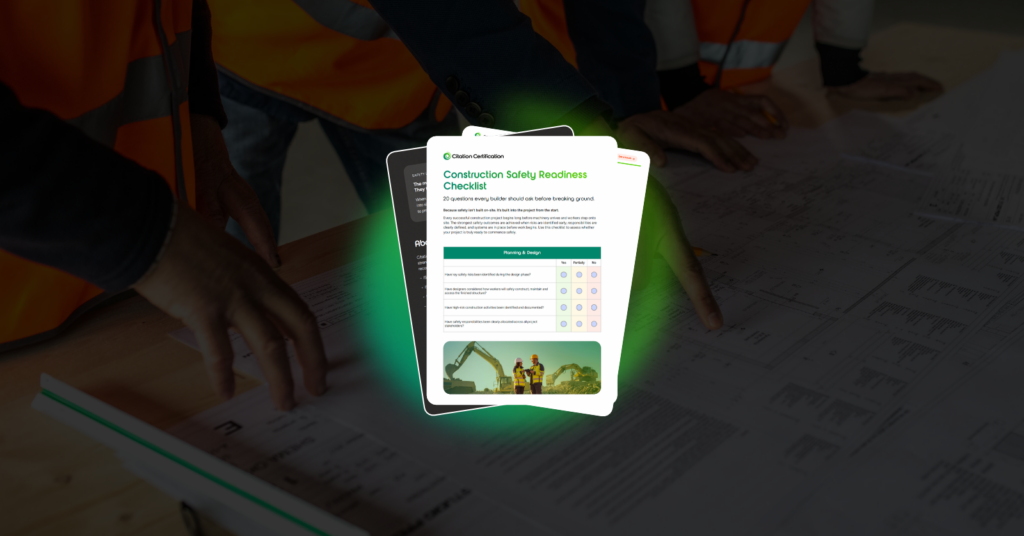

Safety isn’t built on site. It’s built into the project from the start — in...


Have your employees started submitting leave requests for December? Do your bar staff want to...
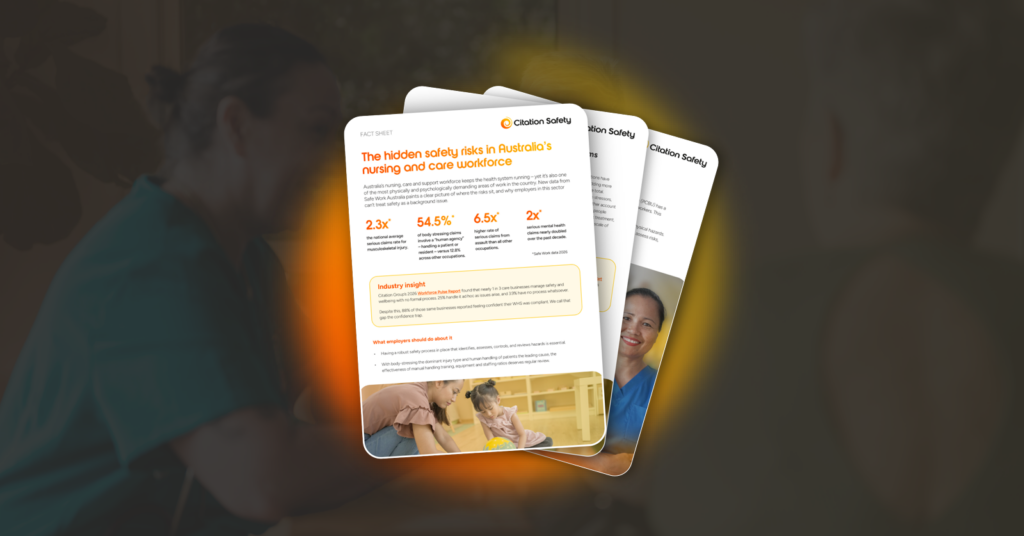
Nursing and care workers keep Australia’s health system running, and the work asks a lot...

Labour shortages. Multiple contractors and subcontractors. Tight deadlines. Client expectations. Compliance obligations across several sites...