







 HR & Safety Software
  ISO Training Academy
  foundU Client Login

Blogs
Brittany Byrne and Lisa Qiu selected for Elite Women 2026
Brittany and Lisa recognised by Australasian Lawyer and NZ Lawyer as Elite Women in 2026.
22 October, 2026
 Blogs
15 January, 2026
Blogs
15 January, 2026

Managing human resources can feel like a juggling act. Between onboarding new hires, tracking leave, managing performance, and ensuring legal compliance, the administrative burden can be overwhelming. As your business grows, relying on spreadsheets and manual processes becomes inefficient and risky. It’s time to consider a smarter, more streamlined approach. A Human Resource Information System (HRIS) can centralise your HR functions, automate tedious tasks, and give you back the time
For many businesses, HR data is scattered across different systems – payroll in one, employee records in another, and performance reviews in a third. This disjointed approach creates inefficiencies, increases the risk of errors, and makes it difficult to get a clear picture of your workforce. An HRIS solves this by bringing everything together under one digital roof.
A HRIS is a software solution that allows companies to manage and automate core HR processes. Think of it as a central database for all your employee information and HR-related activities. From recruitment and onboarding to payroll, benefits administration, and time tracking, an HRIS streamlines essential tasks and provides a single source of truth for your people data. It transforms HR from a paper-heavy administrative function into a strategic, data-driven part of your business.
The HR tech landscape is full of acronyms, and it’s easy to get them confused. While HRIS, HCM, and HRMS are often used interchangeably, they have distinct meanings.
Citation HR offers a powerful and intuitive platform that combines the best of these systems to meet the diverse needs of modern businesses.
Adopting a top-tier HRIS like Citation HR can fundamentally change how your business operates. By automating processes and centralising data, you unlock significant advantages that drive efficiency, compliance, and employee engagement.
Never miss an important date again. An effective HRIS automates reminders for critical events like visa expirations, license renewals, and performance review deadlines. This proactive approach ensures you stay on top of compliance obligations and key HR tasks without relying on manual tracking, reducing the risk of human error.
Your work isn’t confined to the office, and your HR system shouldn’t be either. A cloud-based HRIS like Citation HR provides secure access to essential information from any device, anywhere in the world. Whether you’re working from home, travelling, or on-site, you can manage your team and access critical data with ease.
Say goodbye to overflowing filing cabinets and endless paper trails. An HRIS allows you to digitise your HR records, from employment contracts to policy sign-offs. This not only reduces clutter and your environmental footprint but also makes finding information instant and secure. Your documents are stored safely in one central location, protected from physical damage or loss.
How often do you enter the same employee information into multiple systems? An HRIS eliminates this repetitive and error-prone task. By creating a single point of data entry, information flows seamlessly across different modules like payroll, benefits, and time tracking. This saves time, improves data accuracy, and frees your team to focus on more valuable work.
First impressions matter. A streamlined onboarding process sets the tone for a positive employee experience. An HRIS automates the distribution of welcome packs, the collection of necessary forms, and the assignment of initial training. New hires can complete their paperwork online before their first day, allowing them to feel prepared and ready to contribute from day one.
An HRIS empowers both managers and employees with self-service capabilities. Employees can update their personal details, request leave, and access payslips on their own. Managers can approve requests, track team performance, and access employee information without going through HR for every small task. This distribution of responsibility reduces the administrative burden on your HR team.
Keeping up with changing employment laws is a major challenge for businesses. A leading HRIS is designed with compliance in mind. Citation HR’s system helps you manage Fair Work compliance, track necessary certifications, and ensure policies are up-to-date and acknowledged by all employees. This robust framework minimises legal risks and helps you build a fair and consistent workplace.
Creating legally sound HR documents from scratch is time-consuming and risky. Citation HR’s platform comes with a library of legally compliant templates, including employment contracts, policies, and letters. These documents are developed by HR experts, giving you the confidence that your documentation meets current legal standards.
Making the switch to an HRIS can seem daunting, but a structured approach makes the process manageable. The first step is to assess your current HR processes. Identify pain points, bottlenecks, and areas where automation could have the biggest impact. What tasks consume the most time? Where are the greatest risks for error or non-compliance?
Next, gather your team and define your goals. Involve key stakeholders from HR, IT, finance, and management to ensure the chosen system meets everyone’s needs. This collaborative approach builds buy-in and ensures a smoother transition. Once you have a clear understanding of your requirements, you can begin evaluating different HRIS providers.
When selecting an HRIS, you need a partner, not just a product. You need a system that is powerful yet easy to use, scalable to grow with your business, and backed by expert support. Citation HR is designed to be that partner.
Our intuitive platform simplifies every aspect of HR management, from onboarding to compliance. With features like automated reminders, a central document repository, and employee self-service, you can eliminate administrative headaches and focus on building a great team.
What truly sets Citation HR apart is the integration of technology with expert advice. Our software is backed by a team of HR and legal professionals who ensure our templates and processes are always compliant. When you choose Citation HR, you’re not just getting software; you’re gaining a dedicated partner committed to your success.
Ready to see how an HRIS can transform your business? Explore what Citation HR has to offer.
Lauren Stariha is a Senior Copywriter and Content Specialist at Citation Group. She’s responsible for creating engaging and meaningful content across various brands, from eBooks and email campaigns to blogs and multiple social media channels.
Brittany and Lisa recognised by Australasian Lawyer and NZ Lawyer as Elite Women in 2026.

Every business ends the year with a couple of loose ends – the performance issue...

Brittany Byrne recognised as a finalist in the Mentor of the Year category.
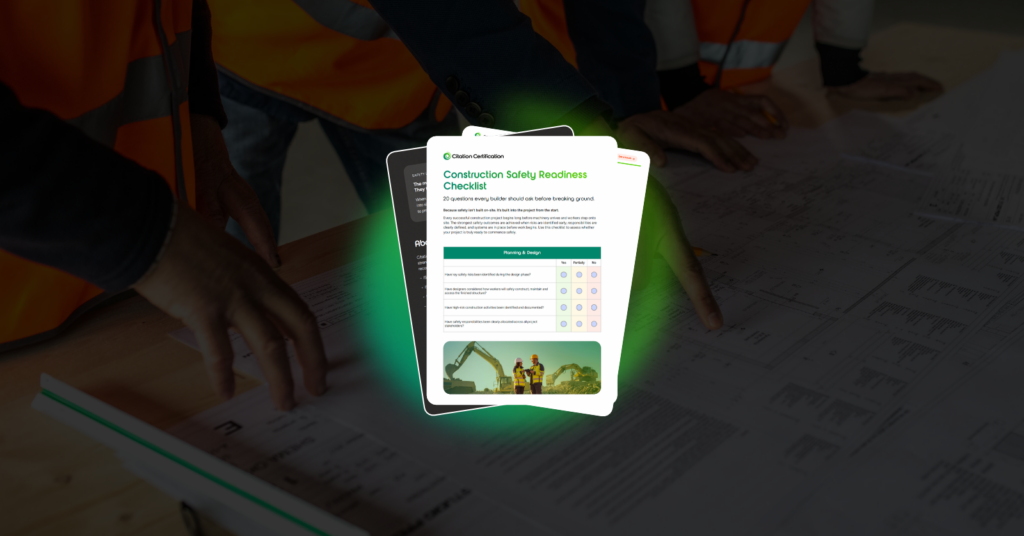

Safety isn’t built on site. It’s built into the project from the start — in...

Have your employees started submitting leave requests for December? Do your bar staff want to...