

 Citation HR
 HR Advice Line
 HR Software
 Citation Safety
 Safety Advice Line
 WHS Software
 Citation Certification
 ISO Certification
 NDIS
NDIS Citation Legal
 Workplace Law
 Migration Services







 HR & Safety Software
  ISO Training Academy
Employee Database Software
Employee records form the foundation of our industry-leading HR Software, providing a centralised, cloud-based repository for managing data related to employees, contractors, and volunteers. This secure, paperless solution ensures consistency and accuracy across your organisation, keeping records up-to-date regardless of whether your people operate from home, multiple worksites, or in different cities.
By offering a single source of truth, Citation HR empowers businesses to efficiently manage workforce information, streamline operations, and support career development.


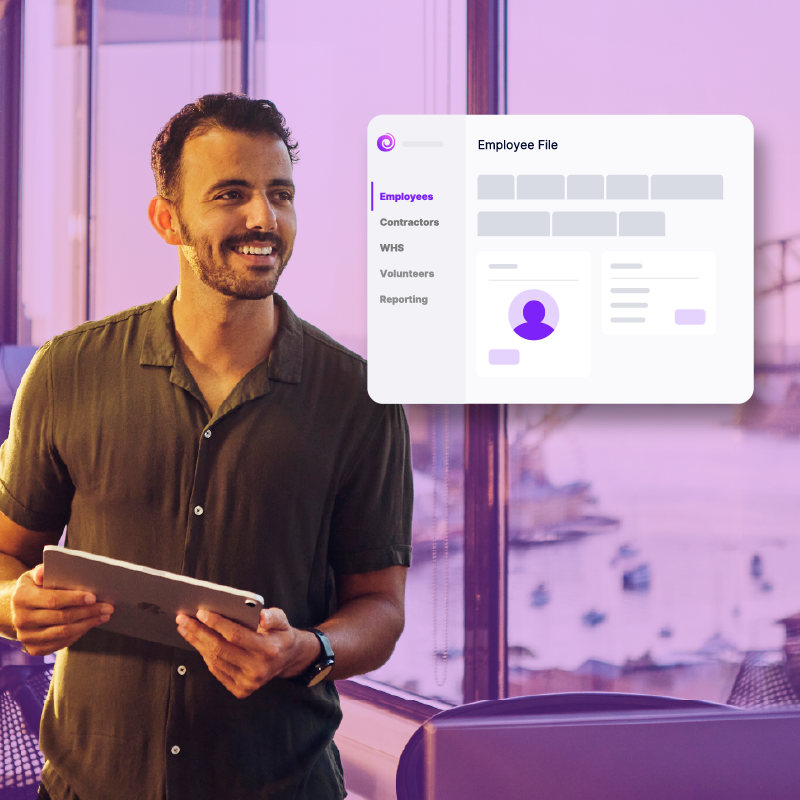
Every. Single. Interaction.
With Citation HR, there’s no need to rely on a photographic memory when you can document every interaction between your business and its people in one centralised location. From performance reviews, contracts, and leave records to qualifications, documents, and communications, all critical information is securely stored and easily accessible.
Our employee database software allows you to customise the type of data you want to retain, whether it’s setting reminders for birthdays, tracking long-term behavioural trends, or recalling the details of a course discussed last week. With Citation HR, you can effortlessly store and retrieve the information you need, whenever and wherever you need it.
The go-to employee database software when things go wrong (or right)!
Things don’t go right all the time, so in the event you’re faced with an employment-related issue, Citation HR ensures you have all the necessary information at your fingertips to address and resolve the matter efficiently.
Should the situation escalate to a Fair Work claim or legal proceedings, your comprehensive employee records will serve as critical evidence. However, these records are not just a safeguard for challenges; they also highlight successes. When your employees excel, your records provide clear documentation of their achievements, supporting recognition and career development.
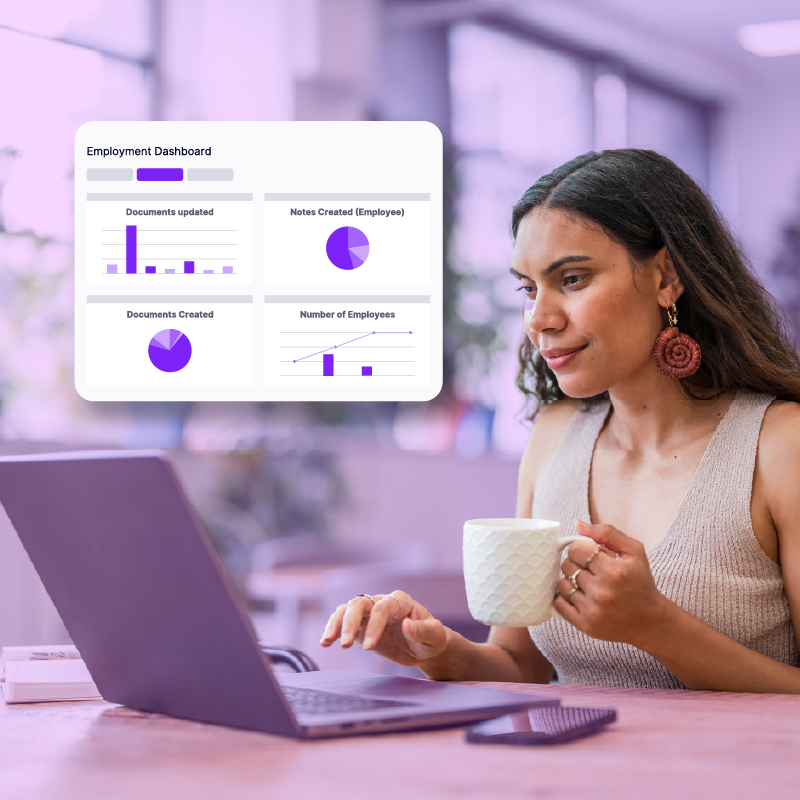
Good culture and water-tight compliance are a recipe for success
Information becomes truly valuable when it is stored, managed, and organised in a structured, accessible, and legally compliant manner. With employee database software, you can securely manage qualifications, job descriptions, probation dates, signed acknowledgements of company policies and safety notices, performance reviews, and more. Our centralised system provides everything you need to understand your workforce, foster a positive workplace culture, and ensure compliance with legal and regulatory requirements.
Be in control of your information
Take charge of your workforce data with Citation HR. Accessible, secure, and always up-to-date, our database software empowers you to manage your information with confidence, ensuring compliance and supporting better decision-making.
Got burning questions? We’ve got answers
Employee database software is a digital solution for managing employee information, including personal details, employment records, payroll records, and training history. It replaces paper files with a centralised system, making it easier for HR teams and managers to access required information like contact details, hours worked, and superannuation contributions.
This software supports HR tasks such as onboarding, tracking employment history, and ensuring compliance with record-keeping obligations. Automated alerts and employee self-service features streamline processes like updating personal information or requesting pay slips.
Employee database software simplifies HR tasks by automating record-keeping requirements, such as tracking hours worked, wages, and superannuation contributions. It ensures compliance with obligations set by the Fair Work Ombudsman and provides secure storage for sensitive data like salary and employment records.
Features like employee self-service allow workers to:
- access pay slips;
- update contact details; and
- request leave.
Additionally, it helps identify trends in workforce data, improving decision-making. Employee database software offers numerous benefits, including:
- streamlined HR processes;
- reduced administrative workload;
- improved data accuracy;
- secure storage protects sensitive employee data;
- easy access to employee details and records; and
- improved efficiency in tasks like performance reviews, leave management, and dispute resolution.
It ensures compliance with Australian workplace relations laws by maintaining up-to-date employee records and automating reporting. Features like payroll integration and data analytics enhance decision-making and workforce management.
Employee records include employment history, payroll records, superannuation contributions, and personal information like contact details. These documents are essential for meeting record-keeping obligations, ensuring accurate payments, and resolving disputes.
For example, maintaining a full employment history helps determine eligibility for special leave or other entitlements. Properly managed records also support compliance with the Fair Work Ombudsman’s requirements and provide evidence during audits or legal inquiries, making them critical for employers.
Yes, modern employee database software ensures secure storage of sensitive data, such as payroll records, superannuation contributions, and personal information. Encryption, access controls, and automated alerts protect private information from unauthorised access.
Employers must comply with data protection laws to safeguard employee documents, including pay slips and employment records. Secure systems also reduce the risks associated with paper files, ensuring that HR teams can manage employee information confidently and securely.
Employers in Australia must meet record-keeping obligations under the Fair Work Act, which requires accurate records of wages, hours worked, superannuation contributions, and pay slips.
These records must be kept for at least seven years and include all required information, such as tax details and super fund contributions. Employers must also ensure records are complete, accessible, and secure. Using employee database software simplifies compliance by automating record-keeping requirements and providing easy access to employment records.
In Australia, employers are required to retain employment records, including payroll records, hours worked, and super contributions, for a minimum of seven years.
This ensures compliance with the Fair Work Ombudsman’s record-keeping obligations. Retaining a full employment history can also help employers determine eligibility for entitlements like domestic violence leave or superannuation contributions. Securely storing these records, whether digitally or in paper files, is essential for meeting legal obligations and protecting sensitive employee data.