






 HR & Safety Software
  ISO Training Academy
  foundU Client Login

Blogs
Brittany Byrne and Lisa Qiu selected for Elite Women 2026
Brittany and Lisa recognised by Australasian Lawyer and NZ Lawyer as Elite Women in 2026.
22 October, 2026
 Blogs
16 November, 2023
Blogs
16 November, 2023

Did you know that mentally unhealthy workplaces cost Australia up to $39 billion each year in lost participation and productivity?
The way our almost 13 million-strong labour force undertakes daily work has changed drastically in recent times. The sudden shift to remote working models put a significant focus on mental health at work. And while our physical health and safety have always been under the spotlight, our psychological health is just as important.
Since 2009, the month of October has been National Safe Work Month which has created a platform to raise awareness of the importance of Work Health & Safety (WHS) and provide resources for Australian businesses to commit to building safer workplaces.
Preventing psychological harm is an essential part of fostering a healthy and safe workplace. While you might not be able to physically see these types of injuries, they still have a significant impact on those affected, their families, and their employers. And with no clear or defined recovery process, these injuries can result in a lengthier absence from work and cost more than other injuries or illnesses.
WHS laws impose a duty of care on employers to ensure the health and safety of their employees while they’re at work. Businesses have a legal responsibility to reasonably prevent exposure to or the impacts of psychological hazards and risks. And while employers must safeguard the physical safety of their employees, it’s just as important to identify and implement measures to protect against mental harm.
Whether your workforce is entirely remote, location-based, or using a hybrid model, employers must continue to manage any potential psychological health risks. This can look like the following:
Regardless of industry or size, all businesses are subject to Australia’s stringent WHS laws, and given workplace safety is a criminal jurisdiction, there is no room for error when it comes to ensuring the health and well-being of employees. WHS law does not discriminate between physical and psychological safety in the workplace, so it is imperative that your WHS Management System doesn’t either.
With employees under significant mental demand now that they’re working remotely more regularly, employers need to ensure they have a robust WHS Management System in place that effectively works to identify, assess, control, and regularly review risks resulting from psychological hazards at work.

Adrian Turner is the Head of Citation Safety and General Counsel at Citation Group. Adrian was initially employed as a Solicitor with Citation Law from 2014 – 2017, where his role focused on resolving complex workplace disputes, employment litigation and enterprise bargaining. Adrian spent the next four years working in a General Counsel role outside of Citation Group and completing his Master of Business Administration (MBA).
Adrian returned to Citation in 2021 in a multi-disciplinary role managing the business development and service delivery functions of Citation Safety, while drawing on his technical legal expertise and commercial acumen in his capacity as Citation Group’s General Counsel.
Brittany and Lisa recognised by Australasian Lawyer and NZ Lawyer as Elite Women in 2026.

Every business ends the year with a couple of loose ends – the performance issue...
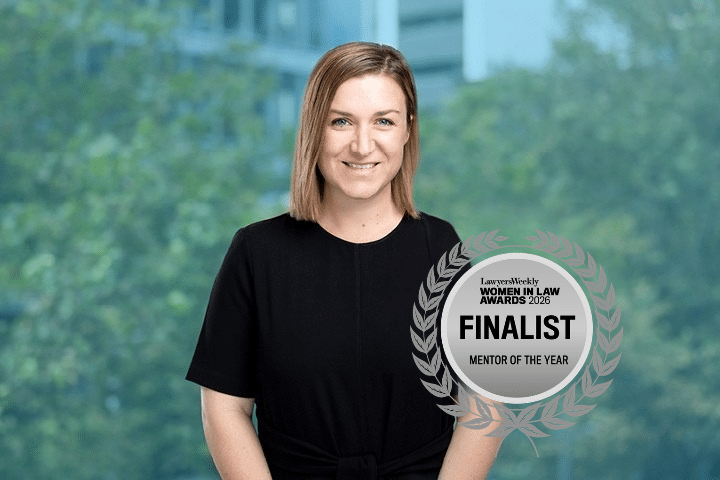
Brittany Byrne recognised as a finalist in the Mentor of the Year category.
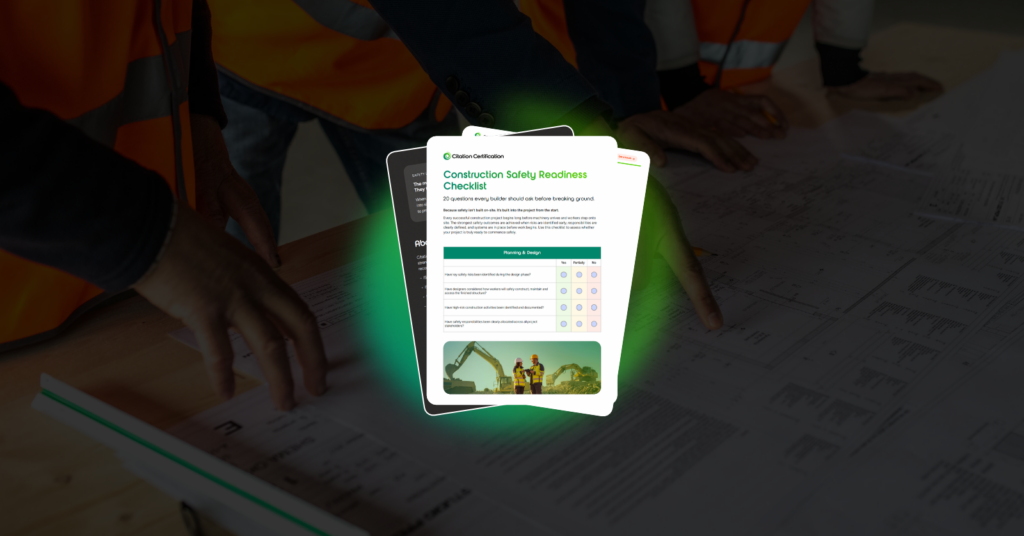

Safety isn’t built on site. It’s built into the project from the start — in...


Have your employees started submitting leave requests for December? Do your bar staff want to...