







 HR & Safety Software
  ISO Training Academy
  foundU Client Login

Blogs
Brittany Byrne and Lisa Qiu selected for Elite Women 2026
Brittany and Lisa recognised by Australasian Lawyer and NZ Lawyer as Elite Women in 2026.
22 October, 2026
 Blogs
3 March, 2026
Blogs
3 March, 2026

A Sydney restaurateur is back in hot water, facing court for allegedly underpaying 82 migrant workers by more than $162,000 – marking their second run-in with the Fair Work Ombudsman (FWO).
In this article, we’ll dive into the details of the case, uncover what led to these alleged violations, and share critical lessons every business owner needs to know to stay compliant.
Katsuyoshi ‘Ken’ Sadamatsu was a partial owner of Miso World Square, a Japanese restaurant in Haymarket, Sydney. Following an audit, the FWO alleges that between June 2020 and September 2022, workers were paid flat rates of $19 to $27 per hour – well below their legal entitlements under the Restaurant Industry Award 2020.
The alleged underpayments include:
Individual underpayments ranged from less than $100 to $19,017. One worker reportedly received $22 per hour as a flat rate when legally entitled to:
Most affected workers were visa holders from Thailand, Indonesia, and Japan. Thirty-six were aged between 19 and 24.
This case is particularly serious because of its history.
In 2011, Mr Sadamatsu and his family’s companies entered into Enforceable Undertakings with the FWO after underpaying 180 staff across four Sydney restaurants, totalling $679,000. In August 2020, the FWO formally cautioned Mr Sadamatsu again.
Despite this, the alleged underpayments continued.
The FWO now alleges the contraventions were “known and systematic”, classifying them as serious contraventions under the Fair Work Act – which can trigger penalties up to ten times higher than standard breaches.
Miso Pty Ltd entered liquidation in 2024 and was deregistered in early 2025. However, the FWO is pursuing action against Mr Sadamatsu personally. This reinforces a critical point for directors and business owners:
Closing a company doesn’t automatically eliminate liability.
Mr Sadamatsu faces:
A directions hearing is listed in the Federal Circuit and Family Court in Sydney in March 2026.
Paying a flat hourly rate isn’t compliant unless it demonstrably covers all Award entitlements – including overtime, penalty rates, and allowances. Many business owners don’t realise this until it’s too late.
Protecting migrant workers and improving compliance in the fast food, restaurant, and café sector are stated long-term FWO priorities. If you operate in this space, you’re on their radar and need to ensure compliance before it’s too late.
If the FWO has previously contacted you about compliance issues, any subsequent breach is treated far more seriously. Ignorance isn’t a defence, especially when business owners have been previously warned.
All workers in Australia, regardless of visa status, are entitled to the same minimum conditions. Workers are also protected from visa cancellation if they report a breach.
Individual liability means business owners can be held personally accountable, even after a company is shut down.
The FWO has filed 171 litigations involving visa holder workers in the eight financial years to June 2025, securing $39 million in penalties.
Enforcement is not slowing down.
Repeated breaches and intentional non-compliance will eventually catch up with a business. The financial, reputational and personal risks are significant.
For hospitality and retail operators, proactive compliance is far safer – and cheaper –than defending litigation. If you’re unsure whether your pay rates, classifications or records align with the Restaurant Industry Award or Fair Work Act:
Our HR experts can conduct a compliance review, assess your Award coverage and identify underpayment risks – giving you clarity, protection and peace of mind. Contact us here.
Brittany and Lisa recognised by Australasian Lawyer and NZ Lawyer as Elite Women in 2026.

Every business ends the year with a couple of loose ends – the performance issue...
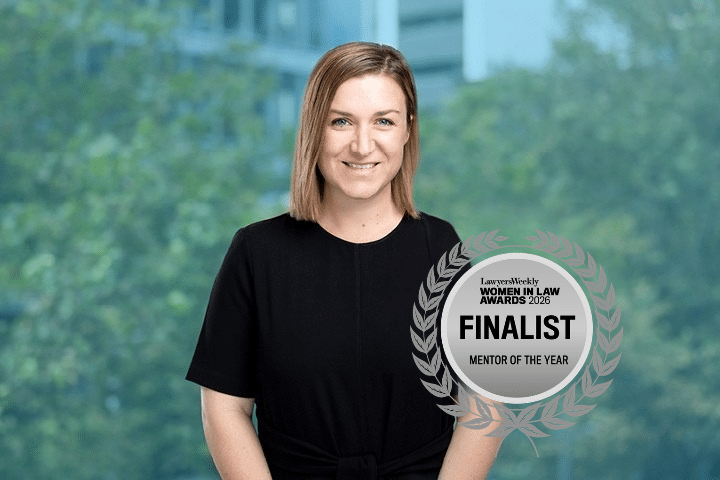
Brittany Byrne recognised as a finalist in the Mentor of the Year category.


Safety isn’t built on site. It’s built into the project from the start — in...

Have your employees started submitting leave requests for December? Do your bar staff want to...