







 HR & Safety Software
  ISO Training Academy
  foundU Client Login

Blogs
Brittany Byrne and Lisa Qiu selected for Elite Women 2026
Brittany and Lisa recognised by Australasian Lawyer and NZ Lawyer as Elite Women in 2026.
22 October, 2026
 Blogs
18 March, 2026
Blogs
18 March, 2026
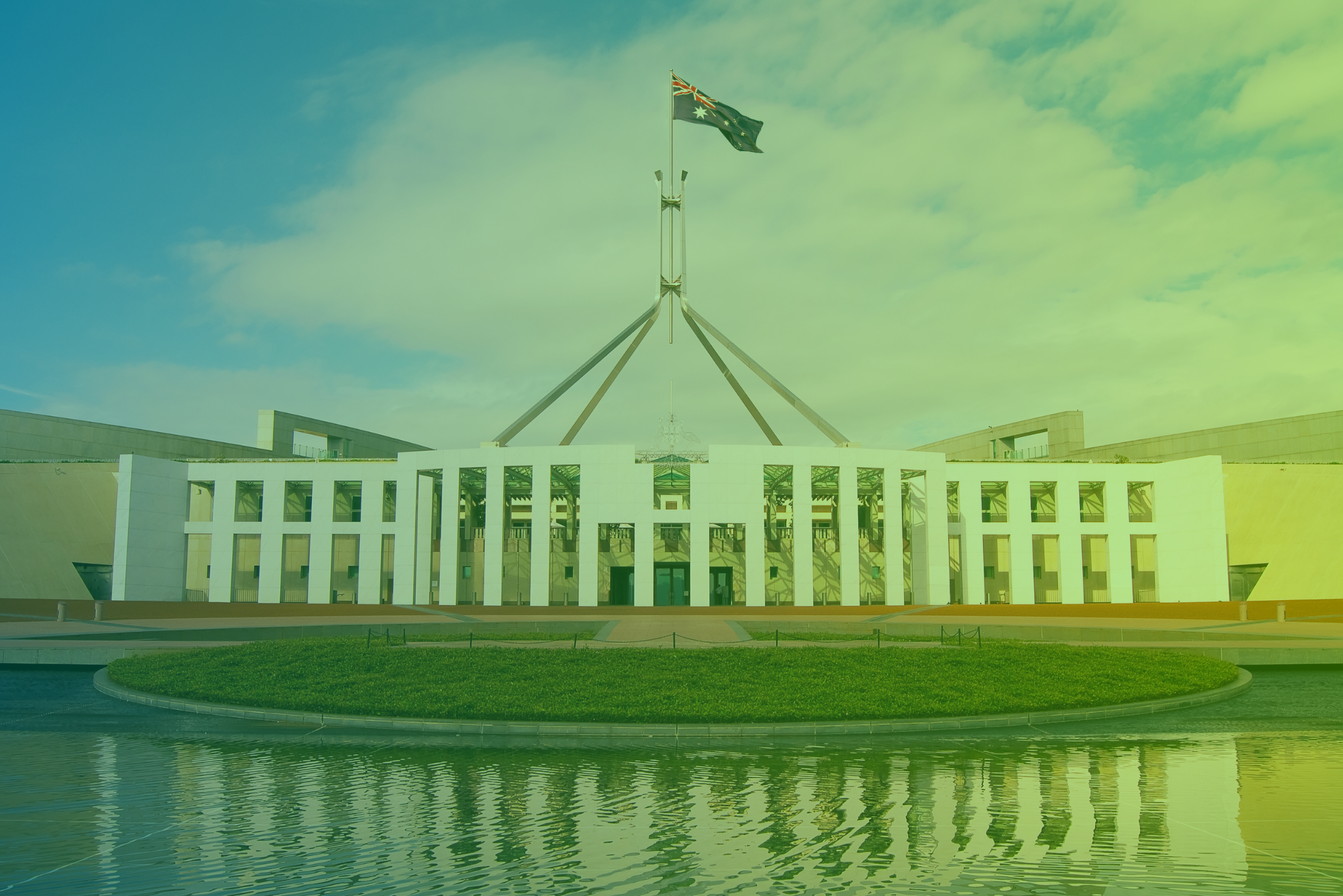
AI has well and truly been integrated into our lives, and there’s no sign of it slowing down. From AI-generated videos that are indecipherable, to the first AI humanoid robots taking pre-orders right now. The world we’re currently living in is the stuff of sci-fi dreams (or nightmares). With AI now widely adopted, the Australian government have announced their National AI Plan (the Plan), which details its goals around AI, and how businesses can leverage AI in the future. In this article, we’ll go through the plan and cover everything you need to know.
In the Plan, the government sets our three main goals:
The government want every Australian, regardless of gender, age or location, to benefit from AI. They plan to build AI capability across all workplaces, schools, universities, local businesses and communities. They’ve suggested in the Plan that AI has the potential to reshape opportunities for job seekers and AI-driven improvements to accessing services and support. As well as AI’s potential to improve business productivity, and deliver better wages and stability for workers. They also believe that AI adoption can enhance public services through faster processing, personalised support and stronger protections.
The National AI Plan highlights several workplace risks associated with AI adoption, emphasising the need for careful management to protect workers’ rights and ensure fairness. AI tools used for hiring, task allocation, and rostering, while boosting productivity, can unintentionally perpetuate bias, discrimination, and unfair practices. Additionally, the increased use of AI in workplaces raises concerns about heightened surveillance and reduced worker autonomy, which could negatively impact employee well-being. Vulnerable groups, including First Nations people, mature-aged workers, individuals with disabilities, and those in regional areas, are particularly at risk of disruption from AI-driven changes as they already experience unequal access to digital technologies. To address these challenges, the Plan stresses the importance of meaningful consultation with workers and unions during AI adoption, ensuring that decisions are guided by fairness and transparency. The government also commits to updating workplace rights to ensure they remain fit for purpose in an AI-driven world, safeguarding workers from potential harms while enabling them to benefit from technological advancements.
For small and medium enterprises (SMEs), the National AI Plan underscores that adopting AI is no longer optional but essential to remain competitive in an increasingly digital landscape. With over one-third of Australian SMEs already leveraging AI, businesses must optimise their operations and embrace responsible AI innovation. This requires access to high-quality, trusted data and a commitment to ethical practices. The government has committed to a $17 million AI Adopt Program, which will provide tailored assistance to help SMEs implement AI effectively and responsibly.
In the plan, the government announced it’ll focus on building data centres, expanding the NBN network, and implementing AI in government services. These projects will likely go to tender. When it comes to government tenders, especially when building AI systems is involved, it’s highly likely that businesses will require ISO 27001 and ISO 42001 to bid.
Government agencies are accountable to the public and must ensure taxpayers’ money is spent wisely. They need partners who can deliver high-quality results on time and on budget. ISO certification acts as a pre-vetted assurance of a company’s capabilities.
In many cases, ISO certification isn’t just a preference – it’s a requirement.
Many government tenders, especially in sectors focused on AI and IT, will explicitly state that bidders must hold ISO 27001 (the leading international standard for an Information Security Management System) to even be considered. In future, it’s highly likely that ISO 42001 (the world’s first international management system standard for Artificial Intelligence) will be required when bidding to build AI into previous systems. If you lack the required certification, your bid may be disqualified before it’s even reviewed.
In this rapidly evolving AI-driven world, businesses must navigate a landscape of both immense opportunity and significant responsibility. In the National AI Plan, the Australian government has provided clear guidance on how businesses can embrace AI while ensuring inclusivity, fairness, and ethical practices. These suggestions are critical for companies aiming to remain competitive and responsible in this transformative era.
Businesses should prioritise workforce readiness and AI inclusivity. AI is expected to reshape tasks rather than eliminate entire jobs, making reskilling and career support essential. The government suggests that employers actively invest in training programs to equip workers with the skills needed to thrive in AI-enhanced roles.
By fostering workforce mobility and providing access to AI-related skills development, businesses can not only future-proof their operations but also contribute to a more equitable and inclusive economy.
Additionally, the National AI Plan highlights the importance of fostering trust and inclusivity in AI adoption. While Australian consumers and businesses are among the fastest adopters of AI globally, digital exclusion remains a pressing issue. With 40 per cent of First Nations people and one in five Australians still digitally excluded, the Plan emphasises the urgency of closing these gaps.
Businesses must work alongside government initiatives to ensure equal access to AI benefits. This isn’t just a moral imperative, but also a strategic one, as inclusive growth strengthens the overall economy and broadens the talent pool.
The National AI Plan makes multiple mentions of potential upcoming legislation to strengthen employee rights in the area of AI adoption in the workplace.
Businesses should be prepared for new legislation and keep an eye out for legislative updates that may come from the plan. We can assist with keeping you up to date on legislation.
The National AI Plan provides a roadmap for businesses to focus on workforce empowerment, responsible AI adoption, and bridging digital divides. By aligning with the government’s suggestions to invest in skills development and leverage support programs, companies can harness AI’s potential while fostering a fair, inclusive, and competitive future.
Talk to us about starting your certification journey today. We can assist with the following:
Complimentary online training for all clients: we offer complimentary online training courses for our clients that can be accessed by your entire organisation – it’s the best way to gain confidence and knowledge and help you prepare for your audit.
Expert auditors: feel at ease knowing that our auditing team are friendly, professional, unbiased and passionate about high standards. They’re locally based and dedicated to delivering high-quality audits.
Georgia Theocharous is a Copywriter and Content Specialist for Citation Group. She is responsible for crafting content across multiple channels such as blogs, social media, landing pages and email campaigns. In her spare time, you can find her jamming to her favourite music.
Brittany and Lisa recognised by Australasian Lawyer and NZ Lawyer as Elite Women in 2026.

Every business ends the year with a couple of loose ends – the performance issue...
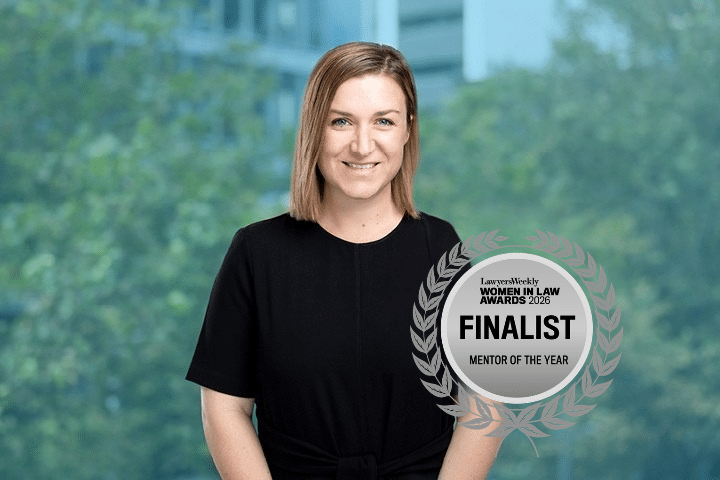
Brittany Byrne recognised as a finalist in the Mentor of the Year category.
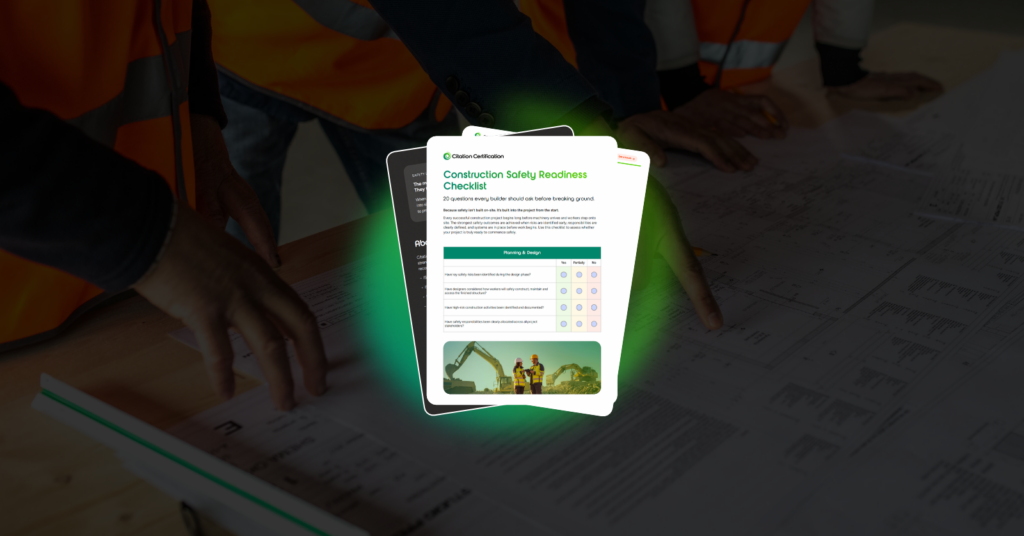
Safety isn’t built on site. It’s built into the project from the start — in...


Have your employees started submitting leave requests for December? Do your bar staff want to...