







 HR & Safety Software
  ISO Training Academy
  foundU Client Login
Events
Don’t carry it into 2027: the real cost of the HR problems you’re rolling over
Every business ends the year with a couple of loose ends – the performance issue...
 Blogs
7 July, 2026
Blogs
7 July, 2026

Did you know that an employee can claim that they were dismissed, even when he or she ended the employment by resignation? Under the Fair Work Act 2009 (Cth) (FW Act) a dismissal can occur when:
A constructive dismissal occurs when an employee resigns but claims they had no real choice due to the employer’s action or unreasonable conduct. In such cases, the employee must prove that the employer’s failure to uphold their obligations or their unreasonable conduct left the employee with no option but to resign.
For example, an employee may feel constructively dismissed if they were subjected to a hostile work environment, intolerable working conditions, or poor treatment by their employer or co-workers. This could include safety concerns, wages paid late, or unreasonable conduct such as bullying or harassment.
A constructive dismissal claim often arises when the employer’s failure to address these issues breaches the employment contract or basic entitlements, such as the obligation to provide a safe workplace or pay wages on time.
Under the FW Act, an employee must be dismissed to access the unfair dismissal claim process. While a dismissal clearly occurs when the employer terminates the employment relationship, it also applies when an employee is forced to resign due to the employer’s conduct.
A constructive dismissal can lead to:
Employers should also be aware that constructive dismissal cases often involve a high threshold of evidence, as the employee must prove that the employer’s conduct was unreasonable to such an extent that resignation was the only option.
Resignation occurs when an employee voluntarily resigns from their position, typically by providing a resignation letter and serving the required notice period. The decision is made freely and without undue pressure.
Constructive dismissal occurs when an employee resigns because of the employer’s failure to meet their obligations or due to intolerable working conditions. In this case, the resignation is not truly voluntary but forced by the employer’s actions or inactions.
A constructive dismissal claim can arise from various situations, including:
The amount of a constructive dismissal payout depends on the circumstances of the case. Factors such as the employee’s salary, length of service, and whether the employer breached the employment contract or basic entitlements will influence the outcome.
For claims lodged with the Fair Work Commission (FWC), compensation is capped at half the high income threshold – currently $91,550 for dismissals that take effect from 1 July 2025. This figure is updated annually on 1 July. In cases of breach of contract, the employee may also claim damages for lost earnings or other financial losses.
An example of constructive dismissal could involve an employer who consistently fails to pay an employee’s wages on time, despite repeated requests. The employee may feel they have no choice but to resign due to financial stress.
Another example could involve an employee who resigns after enduring ongoing bullying from co-workers, which the employer failed to address despite being made aware of the issue.
Employment law governs the rights and obligations of both employers and employees. A constructive dismissal is considered a form of termination under the FW Act, meaning the employee may access remedies such as an unfair dismissal claim or damages for breach of contract. Employers must ensure they comply with employment law to avoid such claims.
To reduce the risk of constructive dismissal claims, employers should:
As a Citation HR client, you’ll have access to a complete, compliant, and cost-effective Human Resource Information System (HRIS) designed to assist you in managing the risks of constructive dismissal, with additional support from HR experts and experienced workplace relations consultations as part of our wraparound HR compliance solution.
If you’re worried about a constructive dismissal claim arising, we’d love to offer you a free, no-obligation chat to discuss your situation. You can contact us today.
Every business ends the year with a couple of loose ends – the performance issue...

Brittany Byrne recognised as a finalist in the Mentor of the Year category.
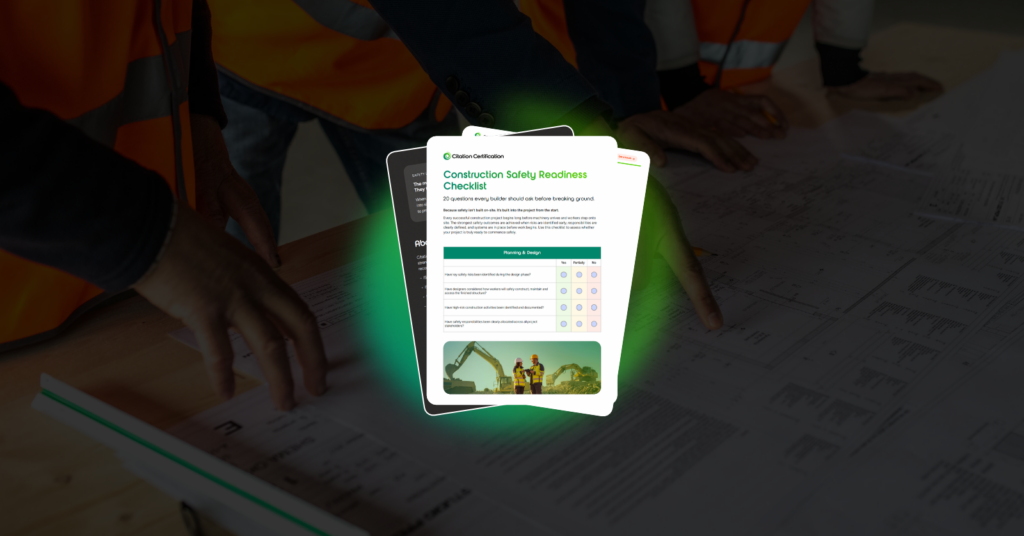

Safety isn’t built on site. It’s built into the project from the start — in...

Have your employees started submitting leave requests for December? Do your bar staff want to...
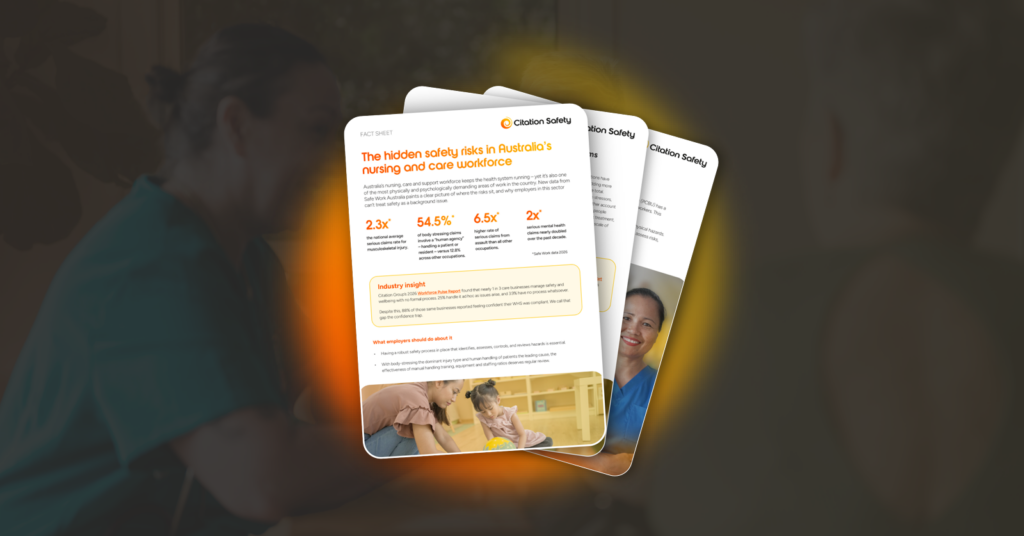

Nursing and care workers keep Australia’s health system running, and the work asks a lot...