







 HR & Safety Software
  ISO Training Academy
  foundU Client Login

Blogs
Brittany Byrne and Lisa Qiu selected for Elite Women 2026
Brittany and Lisa recognised by Australasian Lawyer and NZ Lawyer as Elite Women in 2026.
22 October, 2026
Blogs
26 February, 2025

Disagreements, disputes, and interpersonal conflicts, while inevitable in any workplace, can often spiral into larger issues if left unchecked. Did you know Australian workplace conflict costs the economy an estimated $6 to 12 billion annually? Even more striking, employers and managers spend up to 30 per cent of their time addressing these disputes, time that could be better spent on driving your business forward.
But resolving workplace conflict doesn’t have to mean expensive legal actions or lingering tensions. Mediation offers a practical and effective solution, focusing on open communication and mutual agreement. It’s a strategy that not only resolves disputes but can also strengthen working relationships, improve harmony, and save valuable time and resources.
This article unpacks how mediation works, why it’s a powerful tool for tackling disputes, and how its benefits extend far beyond resolving immediate issues.
Workplace mediation is a practical approach to resolving disputes, particularly those involving interpersonal conflict or communication breakdowns. It’s future-focused, aiming for a win-win resolution that’s both sustainable and actionable right after mediation. Along with offering powerful benefits, including preserving employment relationships, reducing significant legal costs, and safeguarding your reputation, mediation fosters open communication, resolves conflicts efficiently, and promotes a more harmonious workplace environment.
However, knowing when to use the workplace mediation process can be challenging, especially in cases of formal complaints like bullying or harassment. Balancing your duty of care under Work Health and Safety (WHS) obligations with achieving the best outcome for all parties can be complex.
Aside from the hefty costs of legal avenues, pursuing a workplace dispute resolution in the courts can lead the business down a long, exhausting, and difficult road. Choosing to commence workplace mediation will not only allow those involved in the dispute to identify and share their concerns in a confidential process but also have access to accredited mediators who can facilitate, advise, and develop options for resolution.
Sometimes, workplace relationships break down, and the legal route can feel like the easiest option, but this can often be even more damaging than the actual dispute. So, why should businesses turn to mediation before legal action?
Whether your business is dealing with interpersonal conflict, communication breakdowns, or formal complaints, choosing mediation for workplace issues could be the key to turning discord into positive outcomes.
Interpersonal conflict is a common cause of workplace grievances. While many issues can be resolved internally, some situations require expert guidance for a lasting resolution – and that’s where Citation Legal’s workplace mediators can help. Our team bring the expertise, qualifications, and skills needed to effectively mediate workplace disputes and foster positive outcomes.
We’ll help you choose the best way to conduct the mediation process, explain the benefits of mediation in the workplace, and facilitate discussion that will bring the best chance of a resolution. If you’d like to explore Citation Legal mediation services, talk to us today. Reach out to our expert team.
Amanda Curatore is a qualified Senior Associate at Citation Legal and Citation HR. Amanda is highly experienced in providing workplace relations advice and assistance to clients in a wide range of matters including employment contracts, modern award interpretation, managing performance, bullying and harassment, terminations and managing risk. Amanda is also a Nationally Accredited Mediator through the Australian Mediation Association.
Brittany and Lisa recognised by Australasian Lawyer and NZ Lawyer as Elite Women in 2026.

Every business ends the year with a couple of loose ends – the performance issue...
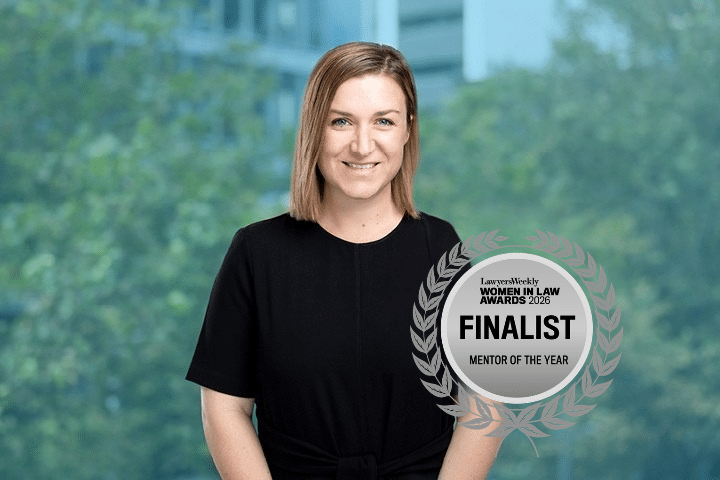
Brittany Byrne recognised as a finalist in the Mentor of the Year category.
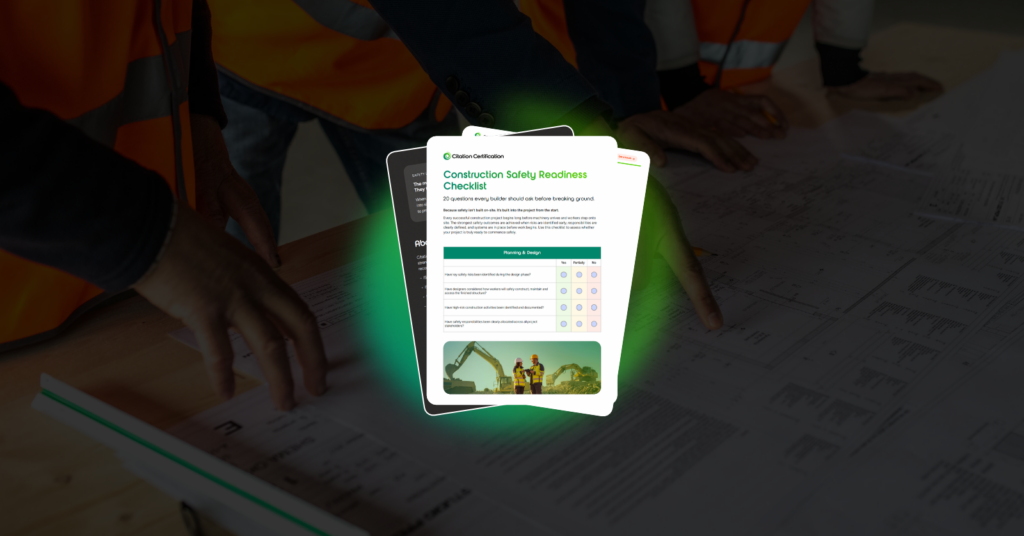

Safety isn’t built on site. It’s built into the project from the start — in...


Have your employees started submitting leave requests for December? Do your bar staff want to...