








 HR & Safety Software
  ISO Training Academy
  foundU Client Login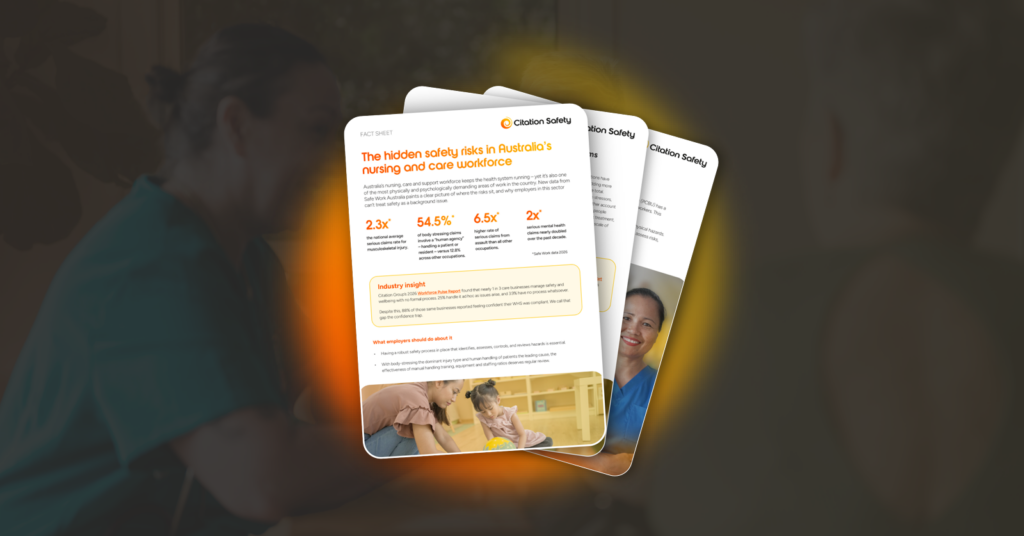

Guides
The hidden safety risks in Australia’s nursing and care workforce
Nursing and care workers keep Australia’s health system running, and the work asks a lot...
7 October, 2026
 Blogs
17 September, 2024
Blogs
17 September, 2024

And while that’s great progress, there are still record numbers of employees experiencing burnout with mental stress accounting for 9 per cent of all compensation claims nationally.
So, what can employers do to prevent or minimise burnout?
In this article, we explain how identifying the early warning signs can reduce the effects of burnout and improve employee retention and we share best-practice strategies that can prevent burnout from occurring in the first place.
The first step towards addressing burnout is knowing how to recognise it. Contrary to popular belief, burnout isn’t just stress or weariness. The World Health Organisation (WHO) defines burnout as a syndrome that results from chronic workplace stress that hasn’t been successfully managed. While burnt-out employees may feel stressed and anxious, they will often also feel apathetic, drained, and without the energy to perform their roles.
When it comes to identifying employee burnout, the indicators can differ from person to person but can include the following symptoms:
The next step in understanding burnout is knowing its causes and how to address it properly. Several factors contribute, either individually or cumulatively towards burnout, including:
To prevent burnout, or if you suspect that an employee is at risk, consider implementing the following strategies:
Employers are obligated by law to provide a safe and healthy workplace for all employees – and this doesn’t just include physical health, it also extends to mental wellness.
An Employee Assistance Program (EAP) is a free work-based support program aimed at enhancing all employees’ emotional, mental, and psychological well-being. An EAP service allows employees to access external professional mental health support that can assist with personal or work-related problems, which can adversely impact performance and employee well-being.
This means that whether an employee is experiencing ordinary work stress, relationship concerns, issues with a particular colleague, burnout or some other health condition, to name a few examples, counselling services via EAP can help.
Importantly, these services are designed to be 100 per cent anonymous and confidential so those who access them can do so without fear of judgement or repercussion.
If you’re not currently using Citation HR, why not start with a Workplace Compliance Consultation – our experts will complete a thorough evaluation of your HR that’ll uncover any hidden risks in your business before they become problems. Schedule a chat with our friendly team.

Nursing and care workers keep Australia’s health system running, and the work asks a lot...

Labour shortages. Multiple contractors and subcontractors. Tight deadlines. Client expectations. Compliance obligations across several sites...

Structured onboarding, a deliberate first 90 days rather than a pile of paperwork, is one...


“What we often see is businesses feel confident because they have HR policies or an...