

 Citation HR
 HR Advice Line
 HR Software
 Citation Safety
 Safety Advice Line
 WHS Software
 Citation Certification
 ISO Certification
 NDIS
NDIS Citation Legal
 Workplace Law
 Migration Services




 HR & Safety Software
  ISO Training Academy


Blogs
Fair Work abolishes junior pay rates for adults: what it means for businesses
On 31 March 2026, the Fair Work Commission (FWC) handed down a landmark decision that...
2 April, 2026
 Blogs
7 August, 2025
Blogs
7 August, 2025

The Queensland Government has introduced critical new requirements for businesses to proactively manage the risks associated with sexual harassment in the workplace.
This marks a significant shift in recognising sexual harassment not just as a human resources (HR) issue, but as a fundamental work health and safety (WHS) obligation. Businesses must now ensure that HR and WHS teams work together to meet these new requirements and uphold their duties under the Work Health and Safety Act 2011 (Qld).
Under the Work Health and Safety (Sexual Harassment) Amendment Regulation 2024, organisations must have implemented a Sexual Harassment Prevention Plan by 1 March 2025. Haven’t got one yet? Don’t worry, our experts will run you through everything you need to know in this article.
Sexual harassment is now officially recognised as a psychosocial hazard affecting worker health and safety – and failure to manage these risks is a breach of WHS obligations. The new regulation now in place reinforces the positive duty on employers to actively prevent sexual harassment – not merely respond after incidents occur.
This means:
A Person Conducting a Business or Undertaking (PCBU) must manage the risks to health and safety from sexual harassment or sex or gender-based harassment.
It’s important to note that the risk factors must be specific to each workplace or even work team – there’s no “one size fits all” approach.
Effective from 1 March 2025, every PCBU must now have a written Sexual Harassment Prevention Plan to manage an identified risk to the health or safety of workers from either sexual harassment or sex or gender-based harassment. The Plan must:
Additionally, businesses must ensure accessibility of the plan and review it:
Failing to comply with the prevention plan requirements carries significant repercussions. Organisations may face fines of up to 60 penalty units, equivalent to approximately $9,679 per breach. Beyond this, the Regulator has the authority to issue infringement, improvement, and prohibition notices, further underscoring the importance of compliance.
Non-adherence not only exposes businesses to heightened penalties and damages in legal proceedings through Fair Work, Human Rights Commissions, or courts but also increases the likelihood of workers’ compensation claims, mental health injury claims, and reputational harm. These risks emphasise the critical need for a proactive and well-maintained prevention strategy.
If your business hasn’t yet addressed sexual harassment, immediate action is required:
The spotlight is firmly on employers to create proactively safe, respectful workplaces. These changes in Queensland reflect a broader national movement and align with the positive duties introduced in the Sex Discrimination Act 1984 (Cth).
If you haven’t implemented a plan yet, now is the time to protect workers, comply with the law, and avoid serious regulatory and legal consequences.
Citation Safety is here to make it easy and stress-free. We’ll help you develop a tailored Sexual Harassment Prevention Plan template that not only keeps you compliant but also works seamlessly within your business operations. Our experts will guide you through every step, providing practical, actionable WHS advice to help you safeguard your team and foster a culture of respect and safety.
When you partner with Citation Safety, you’ll also benefit from detailed WHS templates, tools, and ongoing support to ensure your plan and WHS practices remain effective.
Contact us today to learn how Citation Safety can help you strengthen your policies, protect your workers, and build a positive workplace culture that thrives.
Jack Bowkett is a Workplace Health and Safety Consultant at Citation Group. He has an interest in all things safety-related and regularly provides pragmatic advice on how businesses can comply with their WHS obligations and create a good working environment.
On 31 March 2026, the Fair Work Commission (FWC) handed down a landmark decision that...

The most effective WHS systems don’t just respond to accidents; they spot warning signs early...


Powering transport and logistics with certification. Any organisation involved in warehousing, transport and distribution will...

With Easter and school holidays coming up, employers must understand what public holiday pay is...
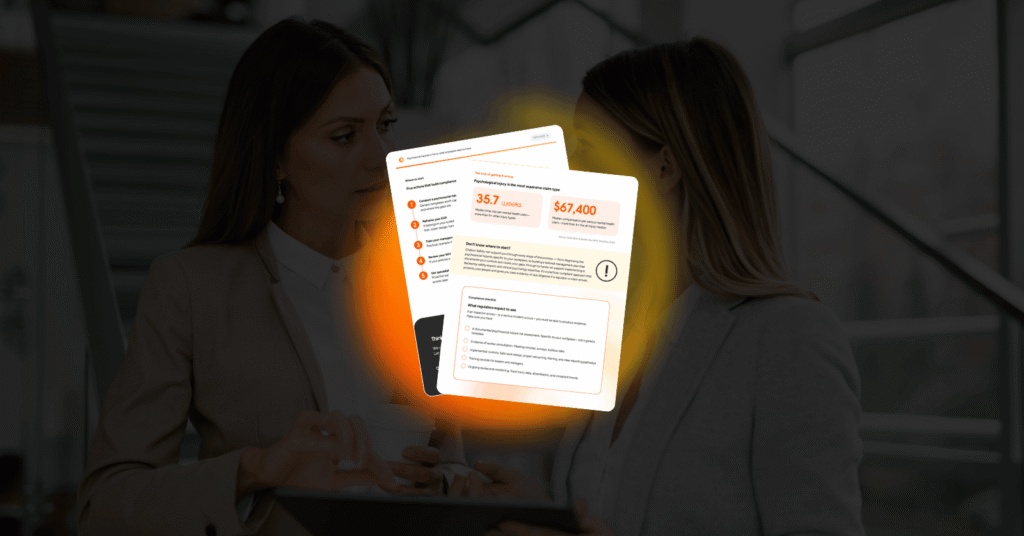
Work Health and Safety regulators across Australia now expect business owners to manage psychosocial hazards...