







 HR & Safety Software
  ISO Training Academy
  foundU Client Login
Blogs
Brittany Byrne named finalist in the 2026 Lawyers Weekly Women in Law Awards
Brittany Byrne recognised as a finalist in the Mentor of the Year category.
15 October, 2026
 Blogs
31 March, 2026
Blogs
31 March, 2026

When it comes to workplace safety, prevention is always better than reaction. The most effective WHS systems don’t just respond to accidents; they spot warning signs early and act before anyone gets hurt. Every incident has a cause, and often, the clues are right in front of us. By building a culture of proactive risk identification, businesses can save time, money, and most importantly, protect their people. In this article, we’ll discuss how to detect early warning signs, what your employer obligations are, and red flags to look out for.
Every workplace, whether it’s a construction site, factory floor, office, or healthcare clinic, has hazards that can lead to injury if left unmanaged. Most incidents aren’t freak accidents; they’re the result of:
Spotting risks early breaks the chain before these hazards lead to near misses or injuries.
Under the Work Health and Safety Act 2011, every Person Conducting a Business or Undertaking (PCBU) has a primary duty of care to ensure, so far as is reasonably practicable, the health and safety of workers and others.
This includes:
Failing to identify and control risks can result in enforcement action, improvement notices, or prosecution. Regulators such as SafeWork often issue penalties in cases where businesses overlooked obvious hazards that later caused harm.
Sometimes, it’s the small things that signal a bigger problem. Here are some of the most common early indicators of safety risks. If you’ve noticed any of the following, you could be at risk of an incident occurring:
By paying attention to these subtle cues, supervisors and workers can catch risks before they escalate.
Regular walk-arounds by supervisors or safety reps help uncover issues that might not be visible on paper. Use a simple inspection checklist for housekeeping, equipment, signage, and PPE.
Workers on the front line are the first to see problems. Make it easy and blame-free for them to speak up, whether through toolbox talks, quick check-ins, or anonymous reports.
Don’t dismiss a near miss as “lucky.” Treat it as an opportunity to learn. Investigate it as seriously as an injury and identify what control failed or didn’t exist.
Sometimes, what’s written in the Safe Work Method Statement (SWMS) isn’t what happens on site. Observe how work is actually being done to ensure procedures are practical and followed.
Supervisors should be trained to identify hazards, spot unsafe behaviours, and assess early indicators of fatigue, stress, or complacency. The earlier they act, the easier it is to fix.
Missed servicing dates or incomplete inspection records often signal underlying risks. Make sure pre-start checks and maintenance logs are up to date and reviewed.
Empower workers to look out for each other, for example, by implementing a “see it, sort it, report it” culture where everyone takes responsibility for safety.
Look for patterns in your incident reports, first aid logs, or absenteeism data. If one area or task shows repeated issues, there’s likely an underlying hazard to address.
Whenever a process changes, new machinery, new materials, new people, reassess the risks. Many incidents occur during periods of transition when controls haven’t caught up.
Consultation is not a one-off. Keep asking workers what’s working, what’s not, and what’s changed since the last review. Always close the loop by showing how their feedback led to improvements.
Ignoring or overlooking hazards can have severe consequences:
Every missed hazard is a potential incident waiting to happen.
Spotting risks early isn’t just a checklist item; it should be part of your safety culture. A proactive workplace:
When everyone takes responsibility for identifying and managing risk, the whole organisation becomes safer.
The safest workplaces don’t just respond to incidents; they prevent them. By training your people to see, report, and act on risks early, you create a culture of awareness and accountability that keeps everyone safe.
Citation Safety is here to make WHS easy and stress-free. When you partner with Citation Safety, you’ll also benefit from detailed templates, tools, and ongoing support to ensure your plan and WHS practices remain effective. Our Work Health and Safety Software is a complete safety management system built to help you perfectly manage your business’ health and safety from the top down. Find out more with a confidential, no-obligation chat.
Jack Bowkett is a Workplace Health and Safety Consultant at Citation Group. He has an interest in all things safety-related and regularly provides pragmatic advice on how businesses can comply with their WHS obligations and create a good working environment.
Brittany Byrne recognised as a finalist in the Mentor of the Year category.
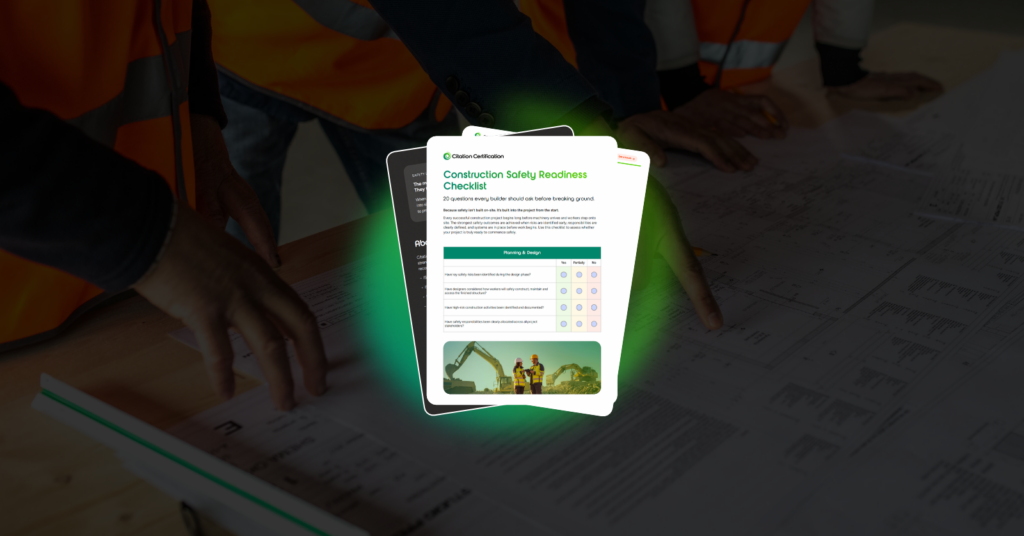

Safety isn’t built on site. It’s built into the project from the start — in...


Have your employees started submitting leave requests for December? Do your bar staff want to...
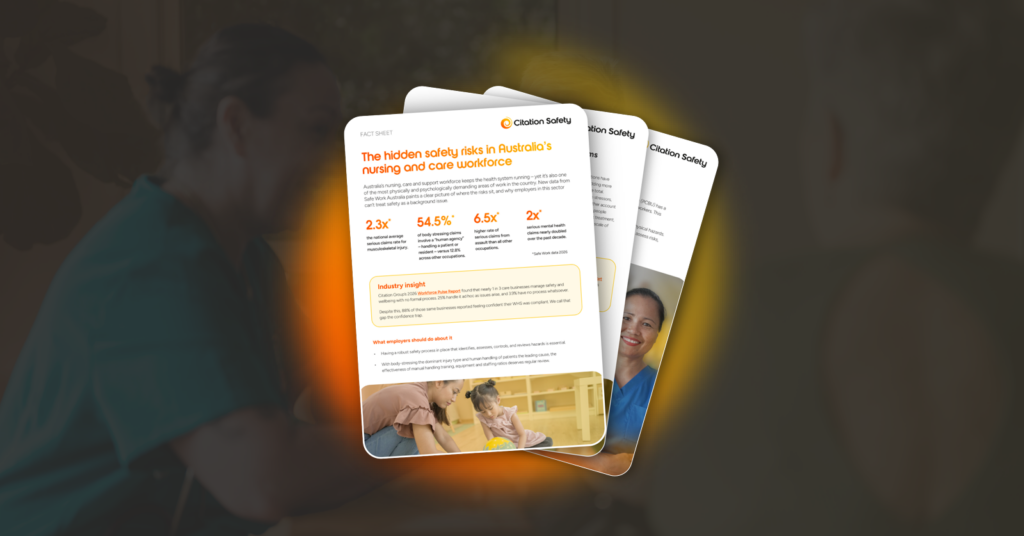
Nursing and care workers keep Australia’s health system running, and the work asks a lot...

Labour shortages. Multiple contractors and subcontractors. Tight deadlines. Client expectations. Compliance obligations across several sites...