







 HR & Safety Software
  ISO Training Academy
  foundU Client Login
Blogs
Brittany Byrne named finalist in the 2026 Lawyers Weekly Women in Law Awards
Brittany Byrne recognised as a finalist in the Mentor of the Year category.
15 October, 2026
 Blogs
2 May, 2025
Blogs
2 May, 2025

A recent report by pharmaceutical firm AbbVie has highlighted a significant workplace health and safety (WHS) issue: half of Australian employees living with chronic conditions choose not to disclose them to their employers. The reason? They have concerns about discrimination, stigma, and potential career limitations.
In this article, we’ll break down the report and discuss how employers can further improve workplaces so workers with chronic conditions feel supported.
The report found that 77 per cent of Australian workers believe that individuals with chronic conditions experience workplace discrimination. The most cited reasons for non-disclosure include:
The report also revealed alarming statistics regarding job retention among employees with chronic conditions. Over a third of those affected have left their jobs due to their health challenges. The primary reasons cited were workplace stress exacerbating their condition and lack of support in the workplace.
A workplace that fails to accommodate employees with chronic illnesses risks not only losing valuable talent but also contributing to an unhealthy work environment. When employees don’t feel supported, it can lead to stress, burnout, and decreased productivity – not just for those with chronic illnesses but for the entire team.
With chronic conditions being the leading cause of illness, disability, and death in Australia, it’s essential for workplaces to foster an environment where employees feel safe and supported.
Many Australian employers mentioned in the study have already implemented accommodations to support employees with chronic conditions, such as flexible working and access to Employee Assistance Programs (EAP). Despite this, 61 per cent of respondents believe that workplaces could do more to provide reasonable work conditions and physical/environmental adjustments. So, how can employers ensure employees with chronic conditions are supported? We discuss below.
Enhancing workplace support for employees with chronic conditions isn’t only a legal and ethical responsibility but also benefits overall workplace morale and productivity. Suggested improvements include:
Deidre Mackechnie, Executive Officer at the Australian Patient Advocacy Alliance, stated, “Our hope is that this report can be used to start a conversation in the workplace on how employers and co-workers can better support those with chronic conditions and that these conversations will help to reduce the stigma and discrimination these individuals face.”
By creating a supportive and inclusive workplace, employers can not only retain valuable staff but also foster a culture of understanding and respect. It’s time for businesses to take proactive steps to ensure that employees with chronic conditions receive the support they need to thrive in their professional roles while managing their health effectively.
If the findings of this report have raised concerns about how your WHS practices consider employees with chronic conditions, we’re here to help. We’re offering a free confidential chat with our experts to talk about your WHS compliance. Book your consultation.
Jack Bowkett is a Workplace Health and Safety Consultant at Citation Group. He has an interest in all things safety-related and regularly provides pragmatic advice on how businesses can comply with their WHS obligations and create a good working environment.
Brittany Byrne recognised as a finalist in the Mentor of the Year category.
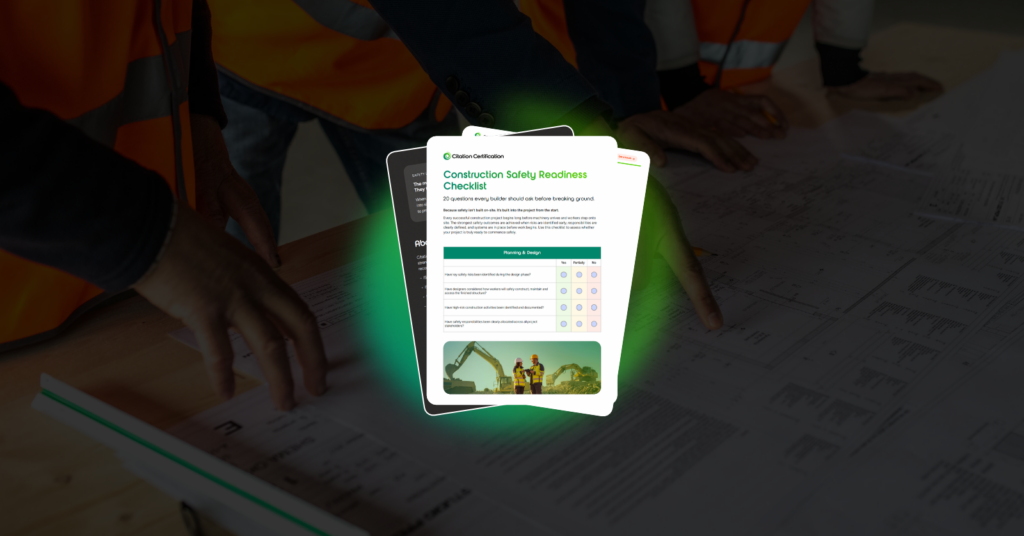

Safety isn’t built on site. It’s built into the project from the start — in...


Have your employees started submitting leave requests for December? Do your bar staff want to...
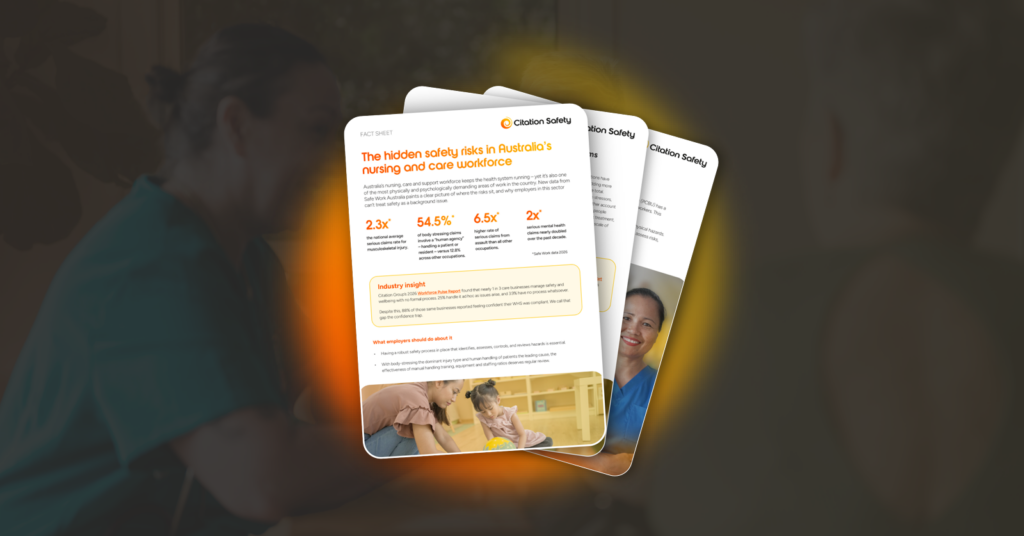
Nursing and care workers keep Australia’s health system running, and the work asks a lot...

Labour shortages. Multiple contractors and subcontractors. Tight deadlines. Client expectations. Compliance obligations across several sites...