







 HR & Safety Software
  ISO Training Academy
  foundU Client Login
Blogs
Brittany Byrne named finalist in the 2026 Lawyers Weekly Women in Law Awards
Brittany Byrne recognised as a finalist in the Mentor of the Year category.
15 October, 2026
 Blogs
9 March, 2026
Blogs
9 March, 2026

Rather than being a single document, a WHS management system is a practical system that guides how an organisation identifies hazards, assesses risks, implements controls, consults with workers, and continuously improves safety performance.
When implemented effectively, WHS management systems help prevent injuries and illnesses, support worker wellbeing, and demonstrate due diligence by management.
The purpose of a Work Health and Safety management system is to establish and maintain effective management of WHS risks across the organisations. It’s designed to ensure compliance with all WHS legislative requirements and promote excellence in WHS management through a process of continual improvement.
WHS management systems are designed to align with the Work Health and Safety Act and Regulations, which place clear duties on persons conducting a business or undertaking, officers and workers.
A well-designed WHS management system:
WHS management systems can be tailored to suit the size, nature and risk profile of the organisation.
For example, a small office-based business may require a simpler system, while a construction, healthcare or manufacturing environment will need more detailed controls and procedures.
Work health and safety is a fundamental part of running a responsible and sustainable business.
Every workplace has hazards, whether physical, psychological or environmental and without proper WHS management, these hazards can lead to injuries, illness, fatalities, legal consequences and significant business disruption.
A strong workplace safety management system helps organisations meet their legal obligation to provide a safe and healthy work environment, so far as is reasonably practicable. This includes not only physical safety, but also psychosocial safety.
Poor WHS practices can result in:
Effective WHS management systems support safer work practices, clearer communication, stronger leadership accountability and improved worker engagement.
They help move safety from being reactive towards a proactive and preventative approach.
A WHS policy formally outlines an organisation’s commitment to health and safety and communicates that WHS is an integral part of its operations.
All staff should be actively involved in the review and continual improvement of WHS performance as this reinforces the company’s objectives.
Visible leadership commitment is critical. WHS must be supported and driven from the top.
A clear definition of WHS responsibilities for officers, managers, supervisors, workers, contractors and visitors is essential. This ensures everyone understands their duties and how they contribute to the overall WHS system.
At the core of any workplace safety management system is the ability to identify hazards, assess risks and implement effective control measures.
This includes:
Consultation with workers is a legal requirement under WHS legislation and a critical part of effective WHS management.
WHS systems should include processes for:
A WHS system must ensure that workers have the skills and knowledge to perform their work safely.
This includes:
Effective WHS systems provide clear processes for reporting hazards, incidents, injuries and near misses.
This allows organisations to investigate issues, identify root causes and implement corrective actions to prevent recurrence.
Emergency procedures are a key component of a WHS management system.
These outline how the organisation responds to emergencies such as fire, medical incidents, evacuations or critical events, and ensure workers know what to do in an emergency.
A WHS management system shouldn’t remain static.
Regular monitoring, audits, inspections and reviews help assess whether the system is effective and identify areas for improvement.
Ongoing continuous improvement ensures the WHS management system evolves as the workplace changes.
This may include:
Implementing a robust WHS management system provides significant benefits for both workers and the organisation.
The primary benefit is a safer workplace. Effective WHS management systems reduce the likelihood of injuries, illness and incidents by proactively identifying and managing risks.
A structured WHS management system supports compliance with WHS legislation and helps demonstrate due diligence.
This reduces the risk of regulatory action, penalties, fines and legal exposure for the organisation.
WHS systems help embed safety into everyday work practices, supporting a positive and consistent safety culture.
When workers clearly understand safety expectations and feel consulted, supported and listened to, safety becomes a shared responsibility.
A strong WHS system also demonstrates that the organisation genuinely values its people and their health and wellbeing, leading to higher engagement and morale.
Safer workplaces experience fewer incidents, less downtime and reduced workers’ compensation and insurance costs.
Preventing incidents is far more cost-effective than managing injuries, investigations and disruptions after they occur.
WHS management systems provide structured processes and reporting that support informed decision-making.
This enables organisations to prioritise risks, target controls effectively and allocate resources where they’re needed most.
A WHS management system is an essential framework for managing workplace health and safety risks.
When designed and implemented effectively, it supports compliance, improves safety outcomes and contributes to a healthier, more productive workplace.
Australia’s workplace laws are complex and confusing, which can make it hard to know if you’re meeting your WHS obligations.
That’s where we come in.
We provide the tools, technology, advice, and support you need to implement and maintain a positive safety culture in your workplace through our WHS software and 24/7 Workplace Safety Advice Line.
Contact us today to find out how we can help your business strengthen its safety systems.
Alison King is a Work Health and Safety Consultant at Citation Safety. She has an interest in all things WHS and psychosocial safety-related and regularly provides advice on managing workplace risks, promoting mental health, and ensuring compliance with WHS and psychosocial regulations.
Brittany Byrne recognised as a finalist in the Mentor of the Year category.
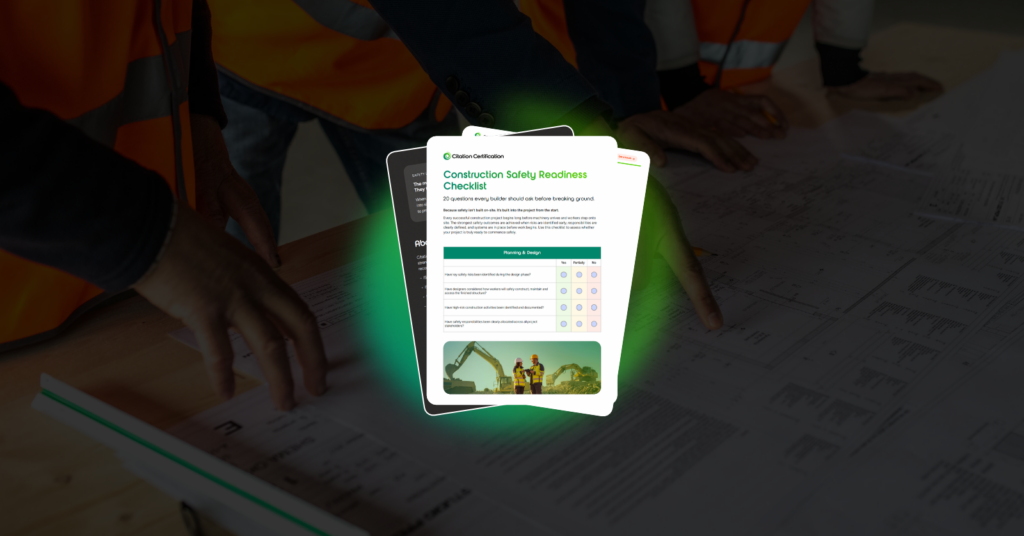

Safety isn’t built on site. It’s built into the project from the start — in...


Have your employees started submitting leave requests for December? Do your bar staff want to...
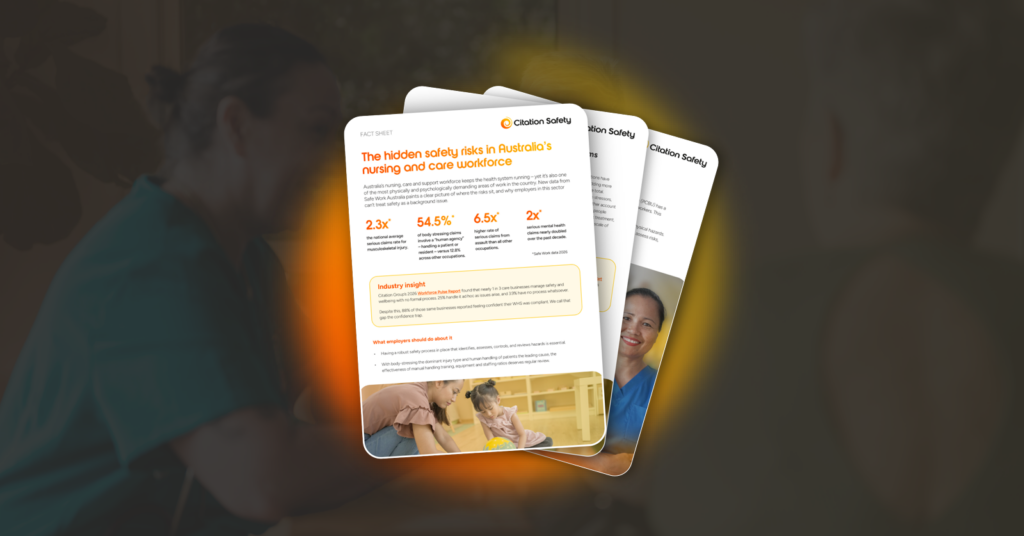
Nursing and care workers keep Australia’s health system running, and the work asks a lot...

Labour shortages. Multiple contractors and subcontractors. Tight deadlines. Client expectations. Compliance obligations across several sites...