







 HR & Safety Software
  ISO Training Academy
  foundU Client Login
Blogs
Brittany Byrne named finalist in the 2026 Lawyers Weekly Women in Law Awards
Brittany Byrne recognised as a finalist in the Mentor of the Year category.
15 October, 2026
 Blogs
12 April, 2026
Blogs
12 April, 2026

Trying to figure out which HR software system your business actually needs? You’ll have noticed the acronyms: HCM, HRIS, HRMS. Vendors use them interchangeably, but they’re not the same thing, and choosing the wrong category can mean paying for features you don’t need, or missing the ones you do.
Here’s what each term actually means, how they differ, what they share, and how to figure out which one your business needs right now.
A human resources information system (HRIS) is the foundational layer of HR technology. Think of it as your central employee database – the single place where you store, manage, and access employee information across your entire organisation.
An HRIS handles the essentials of HR administration:
HRIS platforms are built for businesses that want to go paperless, consolidate employee records, and reduce the time HR teams spend on manual admin. If your HR operations are currently running on spreadsheets and email chains, HRIS software is where you start.
A human resources management system (HRMS) builds on what an HRIS does, and adds broader HR functionality on top. An HRMS typically includes everything in an HRIS, plus tools that help you manage the entire employee lifecycle more actively.
Where an HRIS stores employee data, an HRMS helps you act on it. Additional features commonly found in an HRMS include:
If you’ve outgrown basic record-keeping and need software that actively supports your HR processes, from hiring through to offboarding, HRMS is the right level.
Human capital management (HCM) is the broadest of the three categories. It includes everything an HRIS and HRMS cover, and extends into strategic territory, connecting day-to-day workforce management and HR operations to long-term business outcomes.
HCM platforms are designed for organisations that want to align their people strategy with their wider business goals. On top of core HR functionality, HCM typically includes:
HCM is built for larger organisations or businesses scaling quickly – where HR needs to operate as a strategic function, not just an administrative one. If you’re managing workforce planning, driving strategic initiatives, or reporting on workforce data at an executive level, HCM is the relevant category.
All three systems share a common foundation:
In practice, the lines between the three categories have blurred significantly. Many modern platforms market themselves as one thing while delivering the functionality of another. The label matters less than whether the platform actually meets your needs.
HRIS is the narrowest in scope, focused on storing and organising employee data. HRMS expands into active management of HR processes. HCM is the most comprehensive, encompassing strategy, analytics, and talent management.
HRIS suits smaller businesses or those just beginning to digitise their HR function. HRMS is appropriate for growing businesses with more complex HR needs. HCM is typically used by larger enterprises or businesses with sophisticated people strategy requirements.
HRIS and HRMS are primarily operational – they help you manage HR functions efficiently. HCM has a stronger strategic dimension, connecting HR management to business growth, talent development, and long-term workforce planning.
Payroll and benefits functionality varies considerably between platforms. Some HRIS products integrate with payroll software but don’t process payroll natively. HRMS platforms often include deeper payroll management capabilities. HCM platforms may include built-in payroll access, compensation management, and global compliance tooling.
The right choice depends on where your business is now and where you’re headed. Ask yourself:
The most important thing is to be honest about what you actually need today, and what you’re likely to need in the next two to three years. Many businesses over-invest in HCM capabilities they won’t use for years, while others underinvest and outgrow their HRIS platforms within 12 months.
Moving off spreadsheets? An HRIS delivers impact straight away:
For businesses with more active HR management needs:
For organisations that need HR to operate as a strategic function:
Citation Group’s HRIS gives Australian businesses a cloud-based HR software platform built for the realities of managing people in this country – Australian employment laws, modern award compliance, and the need for practical HR support that goes beyond a software licence.
Whether you’re a small business employer taking your first steps into digital HR or a growing organisation looking for the best HR system that can scale with your team, our platform is designed to make employee management simpler, faster, and more compliant.
Beyond the software, our HR professionals and employment law specialists are on call 24/7 to support your HR team with advice that’s specific to your business, your industry, and the situation at hand. HR technology works best when it’s backed by real expertise, and that’s exactly what we offer.
If you’re ready to move on from spreadsheets and want software that’s backed by real employment law expertise, talk to our team.
An HRIS (human resources information system) is primarily a database. It stores and organises employee data and handles core HR administration like employee records, leave management, and employee self-service. An HRMS (human resources management system) includes all of that, but adds active HR management tools such as employee onboarding, HR performance management, attendance tracking, and compliance management workflows.
When comparing HRIS and HRMS software, the core distinction is simple – HRIS systems are about storing information and HRMS is about acting on it.
It depends on the complexity of your HR processes. A small business with straightforward HR needs, such as managing employee records, leave, and basic payroll integration, will typically find an HRIS sufficient. If you’re running structured onboarding, performance reviews, or managing a larger workforce with more complex compliance obligations, HRMS functionality becomes valuable. The key is to match the platform to your actual needs rather than paying for features you won’t use.
HCM platforms are most commonly used by larger organisations, but that’s changing as more mid-market businesses invest in workforce planning and talent management. If your HR leaders are being asked to contribute to strategic decisions, such as resourcing, succession planning, culture and engagement, then HCM capabilities are worth exploring. The question to ask is whether HR in your business is primarily operational or strategic. Most small businesses start with HRIS or HRMS and evolve from there. Learn more about HR software for small businesses.
Yes. Any HR software used to manage employment in Australia needs to support compliance with the Fair Work Act 2009, modern award requirements, and National Employment Standards. This includes accurate record-keeping, leave entitlement tracking, and payroll data management. When evaluating HR software solutions, always check whether the platform is designed specifically for Australian employment laws, not just adapted from a global product.
HR software manages the people side of employment, including employee records, performance, compliance, leave, and workforce data. Payroll software processes employee pay, including calculations for tax, superannuation, and award rates. Some platforms combine both, while others keep them separate. In Australia, payroll processing is highly regulated, so it’s worth checking whether a combined platform handles Australian payroll compliance natively or relies on a third-party payroll services integration.
Brittany Byrne recognised as a finalist in the Mentor of the Year category.
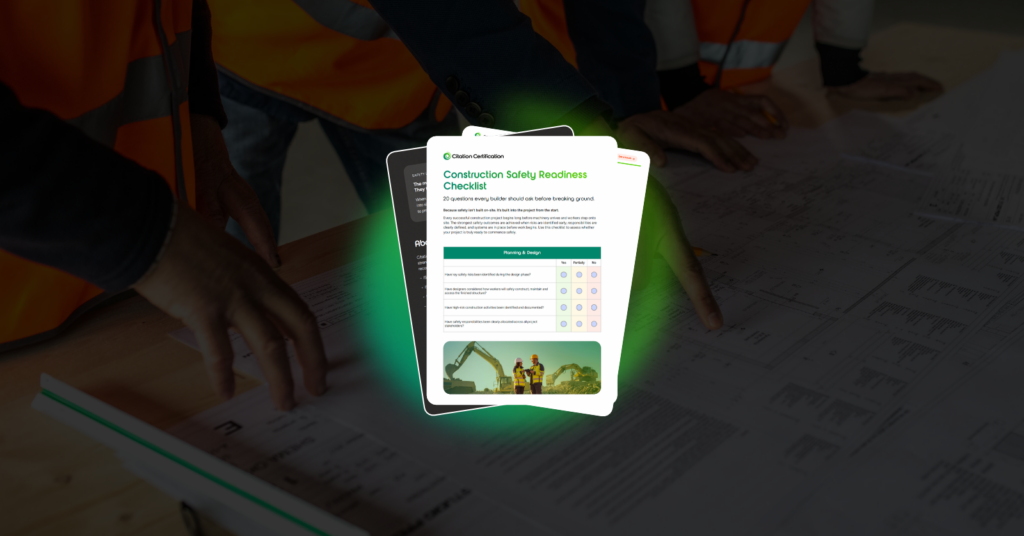

Safety isn’t built on site. It’s built into the project from the start — in...

Have your employees started submitting leave requests for December? Do your bar staff want to...
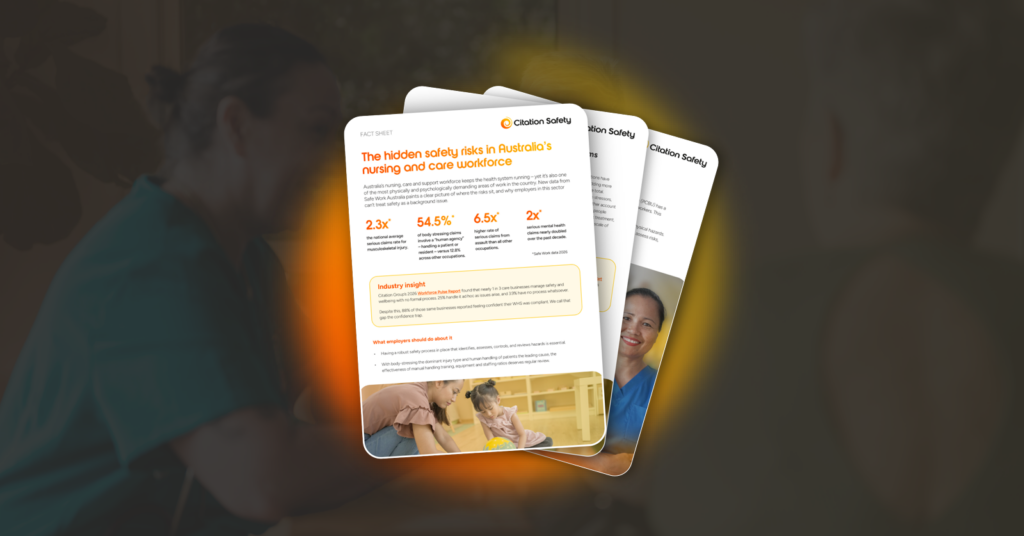

Nursing and care workers keep Australia’s health system running, and the work asks a lot...

Labour shortages. Multiple contractors and subcontractors. Tight deadlines. Client expectations. Compliance obligations across several sites...