







 HR & Safety Software
  ISO Training Academy
  foundU Client Login

Blogs
Brittany Byrne and Lisa Qiu selected for Elite Women 2026
Brittany and Lisa recognised by Australasian Lawyer and NZ Lawyer as Elite Women in 2026.
22 October, 2026
 Blogs
10 June, 2025
Blogs
10 June, 2025

Did you know that Australian employers can be held legally responsible for discriminatory and harassing behaviour by their employees if it happens in connection with the workplace? This is known as vicarious liability. But does this mean you’re responsible for every act or decision your employees make? Not quite!
This article dives into when vicarious liability applies and offers practical tips to help protect your business from unnecessary risks.
Vicarious liability means that an employer can be held legally responsible for their employees’ actions, even if the employer wasn’t directly involved. This principle recognises that employers benefit from their employees’ work and must also bear accountability for any harm caused by their employees’ negligence or wrongful conduct.
Employers may be held vicariously liable for discriminatory or harassing behaviour by their employees if it occurs in the workplace or is connected to their employment. This connection can extend to various contexts beyond the physical workplace, such as work-related events or activities, including:
Importantly, employers aren’t only liable for physical behaviour, but it can extend to the use of phones, computers, and social media accounts if there’s a connection to the workplace.
Employers can be vicariously liable for discriminatory and/or harassing behaviour undertaken by:
The individual(s) who bullies, harasses, or discriminates against others in the workplace are directly liable and can be personally sued if a complainant individually names them in a claim. However, if the employer can’t demonstrate that all reasonable steps to prevent discrimination and harassment have been taken, they may be jointly liable for the employee’s behaviour.
This then raises the question: what are all reasonable steps? There’s no singular definition for this in anti-discrimination legislation because what’s reasonable for one business may not be reasonable for another. Hence, business owners are required to consider what steps are practicable within the context of their workplace. In making this determination, employers should consider:
There are numerous strategies that businesses can adopt to minimise their vicarious liability. These include, but aren’t limited to:
Not only are the above measures useful in minimising an employer’s vicarious liability exposure, but it is also essential to comply with the new positive duty requirement. As a refresher, in late 2022, the Anti-Discrimination and Human Rights Legislation Amendment (Respect at Work) Act 2022 (Respect at Work Act) was introduced which imposed a positive duty on employers to take reasonable and proportionate measures to eliminate, as far as possible, unlawful sex discrimination, sexual harassment, hostile working environments and acts of victimisation in the workplace.
Our HR software has a library of policies, documents, and templates so you can ensure you remain compliant when creating policies, procedures, and processes for employees. Even better, our team of HR experts can help tailor workplace policies for your business via our HR Advice Line.
If any of this information has raised questions about vicarious liability or you have another workplace matter you need assistance with, please reach out to our friendly team for a confidential, no-obligation chat.
Carla Novacevski is a Workplace Relations Consultant based at Citation HR’s Melbourne Office. In her role, Carla tends to client queries via the HR Advice Line. She is currently completing a Bachelor of Commerce and Law, majoring in Accounting, and is passionate about expanding her knowledge through a variety of placements in multiple areas of law.
Brittany and Lisa recognised by Australasian Lawyer and NZ Lawyer as Elite Women in 2026.

Every business ends the year with a couple of loose ends – the performance issue...
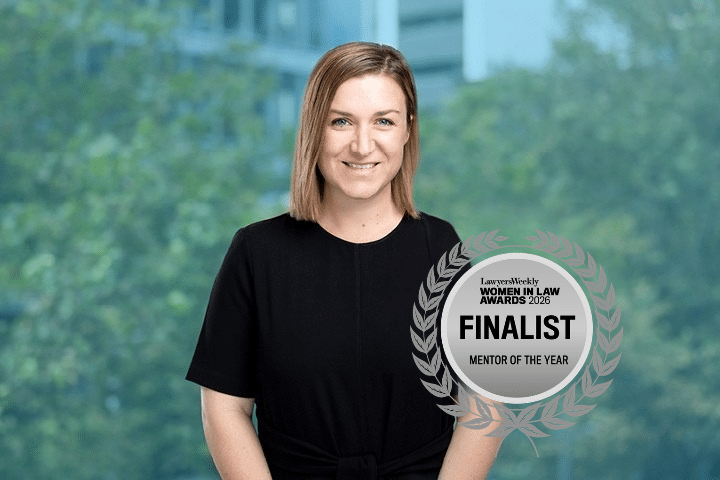
Brittany Byrne recognised as a finalist in the Mentor of the Year category.
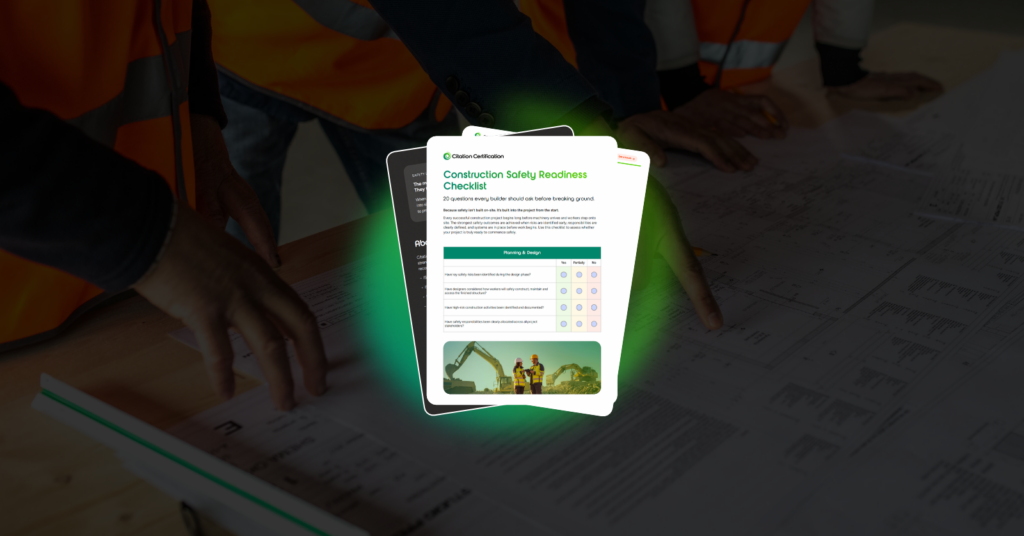

Safety isn’t built on site. It’s built into the project from the start — in...

Have your employees started submitting leave requests for December? Do your bar staff want to...