







 HR & Safety Software
  ISO Training Academy
  foundU Client Login

Blogs
The $5.3 payroll error that’s easier to fix than you expect
$5.3 million, 3,600 underpaid workers, 22 businesses in 5 states. These are the staggering figures...
28 August, 2026
 Blogs
21 January, 2026
Blogs
21 January, 2026

For many business owners, the decision to pursue ISO certification often starts with a client request or a tender requirement. Once the decision is made, the very next question is almost always: “How much is this going to cost?”
The answer isn’t a single figure. Like building a house, the cost depends on the size, location, and materials used. In this article, we’ll dive into the factors that contribute to the cost of ISO 9001 certification and what you need to know before you begin.
Before dissecting the costs, it’s important to clarify what you’re paying for. ISO 9001 is the international standard for Quality Management Systems (QMS). It’s not just a badge for your website; it’s a framework that proves your business has robust processes in place to deliver consistent quality and customer satisfaction.
A certified quality management system signals to the market that your business is efficient, reliable, and committed to continuous improvement. In many industries, it’s the prerequisite for playing in the ‘big leagues’ of government contracts and enterprise supply chains.
For a small to medium Australian business, the total investment to achieve certification typically starts from $4,000 to $15,000.
It’s critical to understand that this figure usually encompasses the entire journey, which consists of two distinct areas:
The cost to get ISO 9001 certification varies because every business has a different starting point. A company with existing rigorous processes will spend less on preparation than one starting from scratch.
Why does one company pay less and another pays more? As a certification body, we follow strict global guidelines to carefully calculate the required audit time, ensuring accuracy and fairness.
The key factors influencing your quote include:
When looking specifically at the ISO 9001 accreditation cost (technically referred to as certification fees), you are paying for the auditor’s time and the technical review of your file.
The audit is split into two stages:
Auditors typically charge a daily rate. If your business size requires a 3-day audit based on global guidelines, your cost is the day rate multiplied by three.
Note: Remember to budget for the future. ISO certification works on a 3-year cycle. After the initial certification, you will incur lower costs for annual ‘surveillance audits’ to maintain your status.
ISO 9001 is not just an expense; it’s a strategic investment in reducing errors, boosting efficiency, and securing new business opportunities. Choosing the right certification partner is crucial to realising these benefits.
When researching ISO 9001 certification companies, price should not be your only metric. A cheap certificate from a non-accredited body is often not worth the paper it’s written on.
To ensure your certification is recognised globally and by Australian government entities, you must choose a Conformity Assessment Body (CAB) that is accredited by JAS-ANZ (Joint Accreditation System of Australia and New Zealand).
When selecting a partner for ISO 9001 certification Australia-wide, look for:
With over 30 years of industry experience and full JAS-ANZ accreditation, we’re a trusted certification body. Our expertise ensures your certification is globally recognised and that your audit process is fair and unbiased.
Contact us today for a clear, obligation-free quote tailored to your business.
$5.3 million, 3,600 underpaid workers, 22 businesses in 5 states. These are the staggering figures...


The vote itself sits with the broader workforce, not with the handful of bargaining representatives...

If your business holds customer or employee information, a data breach isn’t a hypothetical – it’s an escalating threat....

The Fair Work Commission has delivered its decision on working from home under the Clerks...
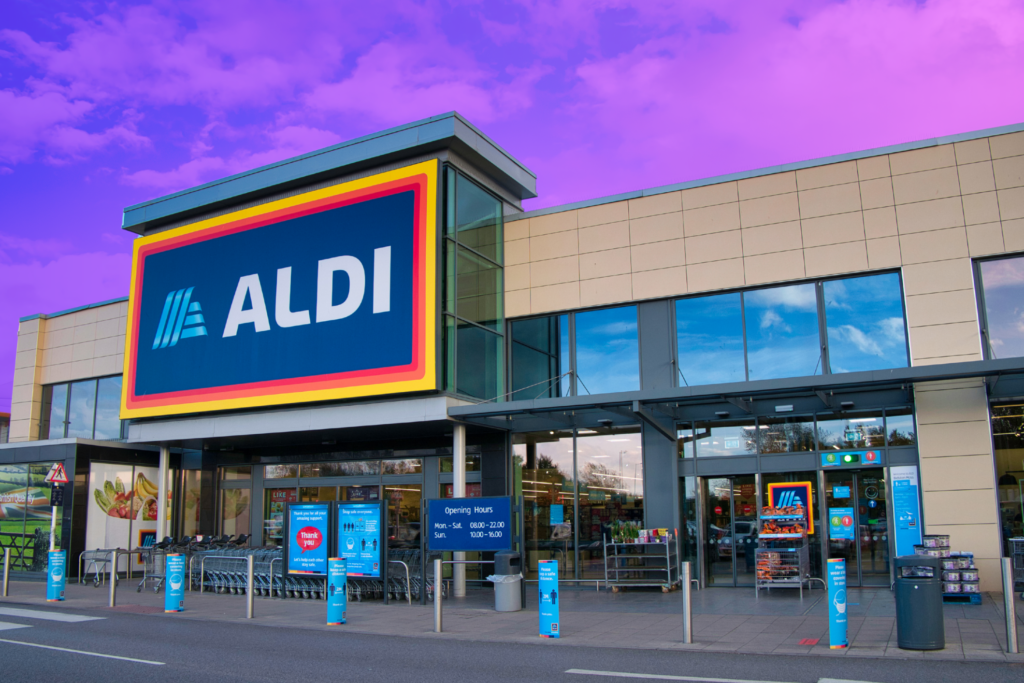
The Fair Work Commission (FWC) has ordered a sacked ALDI worker to pay some of...