 Citation HR
 HR Advice Line
 HR Software
 Citation Safety
 Safety Advice Line
 WHS Software
 Citation Certification
 ISO Certification
 NDIS
NDIS Citation Legal
 Workplace Law
 Migration Services




 HR & Safety Software
  ISO Training Academy


Blogs
 Blogs
15 January, 2026
Blogs
15 January, 2026
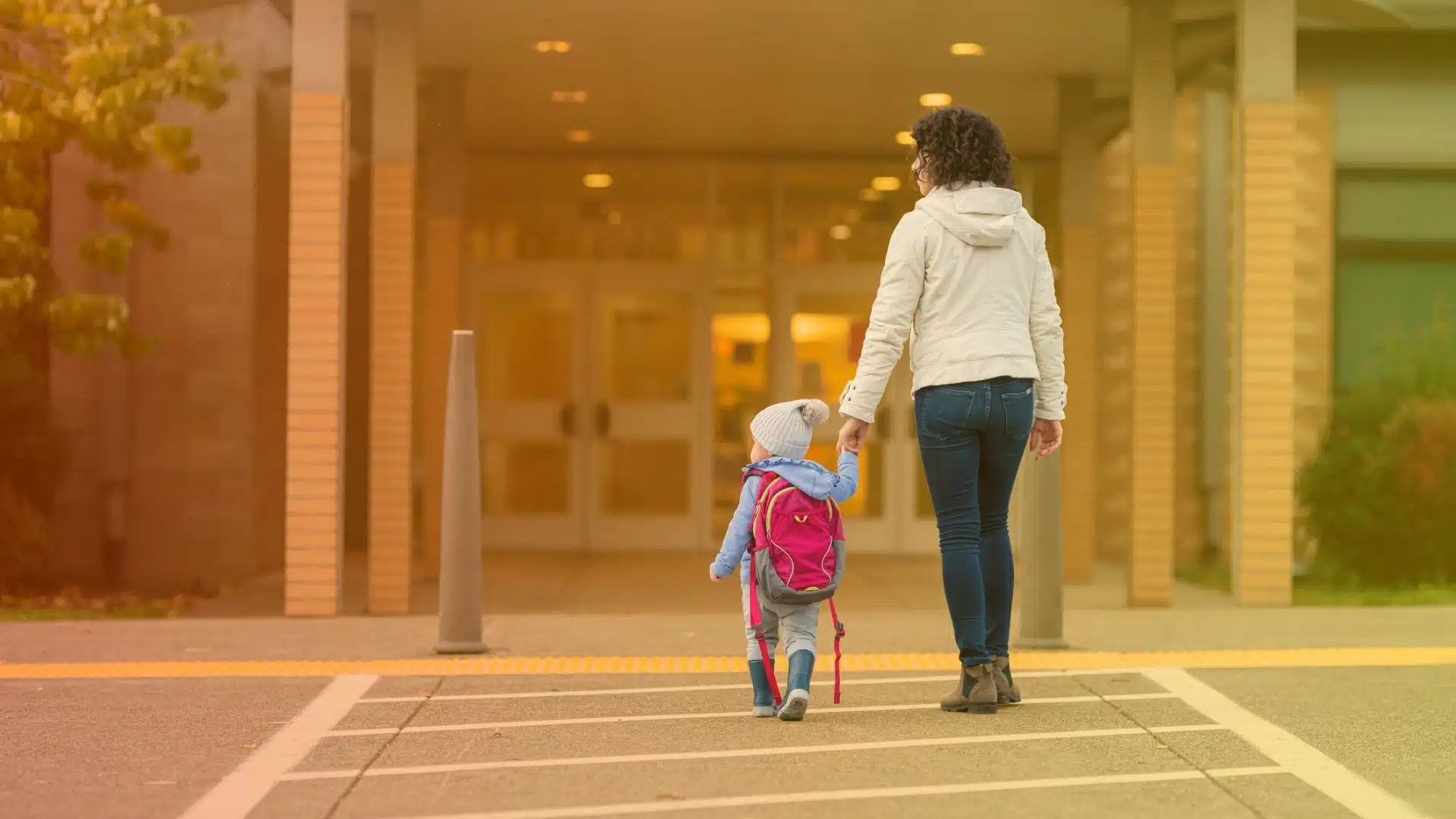
The recent closure of a Sydney childcare centre has sent a clear warning to early childhood education and care providers nationwide. Following a compliance inspection that uncovered dozens of safety failures, regulators took decisive action – reinforcing that child safety, emergency preparedness and day-to-day compliance are non-negotiable.
This closure marks the first enforcement action taken by the newly established Early Learning Commission, signalling a clear shift toward stronger oversight and faster intervention. Providers should expect increased scrutiny as the new regulatory framework is enforced.
Fun2Learn childcare centre in Rosehill, was found to have accumulated 41 safety breaches since 2023, placing both children and staff at risk. Some identified issues included:
Acting commissioner Daryl Currie said the closure sends a strong message to the sector:
“We will not hesitate to take action against providers who place children at risk by consistently failing to address safety and quality concerns, even where a serious child safety incident has not yet occurred.”
Importantly, this isn’t an isolated case. In the first quarter of the 2025–26 financial year, regulators recorded 558 offences relating to the protection of children from harm and hazards.
These figures underline why regulatory reform was introduced – and why providers must now take compliance seriously.
Recent reforms significantly raise expectations for safety, governance and accountability across the sector.
Services must now have clear policies covering:
The timeframe for reporting incidents or allegations of physical or sexual abuse has been reduced from seven days to 24 hours, enabling faster regulatory intervention.
Childcare services must now be completely free of vaping devices and substances, aligning with existing bans on tobacco and alcohol.
Child safety is now explicitly embedded into the National Quality Standard, making it a core, measurable component of service quality, rather than an implied obligation.
Commonwealth officers can now conduct unannounced inspections, and services failing to meet safety and quality standards risk funding consequences.
This case highlights how quickly compliance failures can escalate. To avoid similar outcomes, childcare providers should ensure the following eight fundamentals are firmly in place:
Ensure all staff hold current qualifications, WWCCs and first aid certifications. Regular training sessions should be conducted to reinforce child-safety protocols and ensure compliance with regulations.
Chemicals, sharp objects and other hazards must be locked away, clearly labelled and inaccessible to children. Regular audits are essential.
Emergency response plans should be detailed, current and rehearsed through regular drills.
Schedule routine inspections and maintenance of fire safety equipment and security systems. Keep records of checks and ensure staff are trained to use fire extinguishers and respond to alarms.
Perform regular walkthroughs to ensure all emergency exits are unobstructed and signage is visible. Train staff to check exits daily and include this in routine safety checklists.
Stay informed about regulatory changes and create an action plan to implement them. This includes updating policies, training staff, and ensuring compliance with new requirements like digital safety and incident reporting.
Conduct daily inspections of the premises to identify and address tripping hazards such as loose rugs, toys, or uneven flooring. Encourage staff to report hazards immediately and document corrective actions.
Implement strict child protection policies, including clear guidelines on staff conduct and reporting procedures. Provide regular training on recognising and preventing abuse, and ensure all staff understand their mandatory reporting obligations.
If any of these areas are missing or underdeveloped, now is the time to act.
Most childcare providers are committed to keeping children safe, however, even unintentional gaps in safety systems can have serious regulatory consequences.
If this article has raised concerns about your current practices, support is available. In light of the new regulatory environment, we’re offering free consultations to childcare businesses needing help with workplace safety and HR compliance.
When conducting a safety audit of your business, our experts will review your existing WHS management system, uncover hidden risks, and advise on how to quickly rectify issues before they escalate.
Our Work Health and Safety Software is a complete safety management system built to help you manage your business’s health and safety from the top down. With access to live hazard reporting, templates, tools and best practice guides, you’ll have everything you need to ensure a safe environment for children and staff.
Our Employee Assistance Program (EAP) gives staff access to professional counselling and mental health resources, helping reduce stress, resolve conflicts, and maintain a healthy work-life balance. By addressing these issues early, an EAP can reduce absenteeism, increase productivity, and improve employee morale.
Our HR Advice Line provides confidential, unlimited workplace advice, helping businesses manage complex HR challenges while remaining compliant with Australian laws. We’re here to help.