







 HR & Safety Software
  ISO Training Academy
  foundU Client Login
Blogs
Brittany Byrne named finalist in the 2026 Lawyers Weekly Women in Law Awards
Brittany Byrne recognised as a finalist in the Mentor of the Year category.
15 October, 2026
 Blogs
20 September, 2024
Blogs
20 September, 2024

Minimum engagement periods – not to be confused with minimum employment periods that relate to unfair dismissal – are the periods defined to be the minimum amount of time an employee can work per shift and are found in most modern awards and enterprise agreements.
In this article, we break down what minimum engagement periods are, why they’re important, and what business owners must be aware of when managing shift workers.
If the applicable award or agreement contains a minimum engagement period, you must roster and pay your employees for at least that length of time per shift. For many industries, this means you are unable to roster an employee for only an hour’s work. Or that if you do, you will have to pay for the entire minimum engagement period despite only receiving a lesser period of actual work from the employee.
In another example, if you send an employee home before the minimum engagement period ends, you still must pay the remainder of the period. An exception to this is when the employee asks to leave early, such as if a casual is sick and leaves an hour and a half into their shift. In this case, you’ve satisfied your obligation to provide them with the minimum engagement period, but by their own choice, they decided to leave early. You would only pay this employee for actual time worked.
Minimum engagement periods are intended to protect employees by ensuring that the time worked is worth the travel time and costs, as well as the inconvenience of going to work. You probably wouldn’t want to spend half an hour each way travelling to a job which sends you home after 20 minutes, and your employees don’t want to either.
Minimum engagement periods usually only apply to casual and part-time employees. It’s generally assumed that a full-time employee will naturally work shifts longer than the minimum engagement period.
No. Each industrial instrument has different clauses relating to minimum engagement periods, however, most are two or three hours. Some awards contain some unusual minimum engagement period provisions:
Employers must be aware of any minimum engagement periods under the award or agreement applicable to employees to avoid an inadvertent breach of such an instrument.
If you roster your employees for less than the minimum engagement period, you should alter your rosters immediately to cater for the minimum and make back payments accordingly.
Have a question about minimum engagement periods? For clients of Citation HR, get in touch with the HR Advice Line.

Brittany Byrne recognised as a finalist in the Mentor of the Year category.
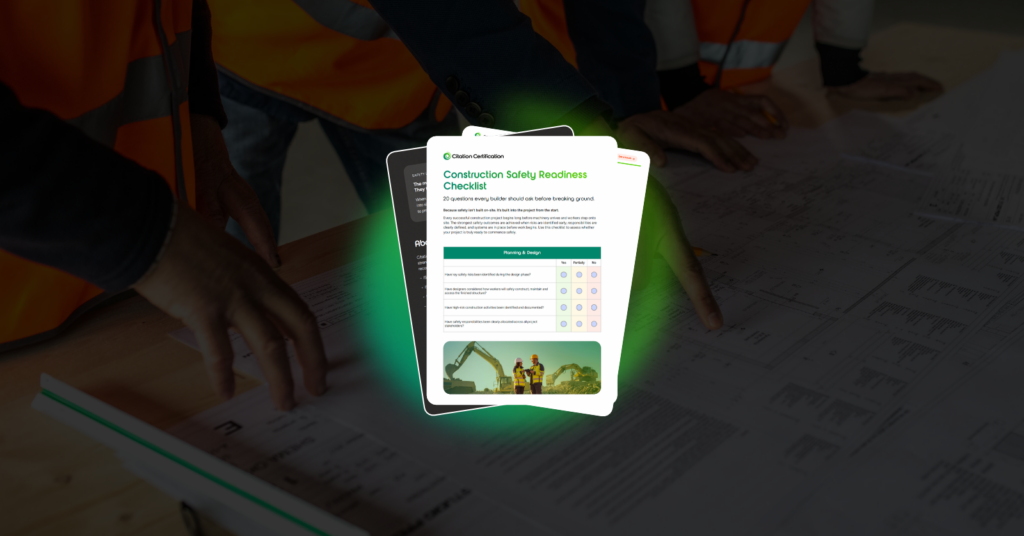

Safety isn’t built on site. It’s built into the project from the start — in...

Have your employees started submitting leave requests for December? Do your bar staff want to...


Nursing and care workers keep Australia’s health system running, and the work asks a lot...

Labour shortages. Multiple contractors and subcontractors. Tight deadlines. Client expectations. Compliance obligations across several sites...