







 HR & Safety Software
  ISO Training Academy
  foundU Client Login
Blogs
Brittany Byrne named finalist in the 2026 Lawyers Weekly Women in Law Awards
Brittany Byrne recognised as a finalist in the Mentor of the Year category.
15 October, 2026
 Blogs
9 June, 2026
Blogs
9 June, 2026

Did you know that the average Aussie worker takes approximately 9.7 days of personal leave annually?
Sick leave or personal leave, as it’s known under the Fair Work Act (2009) (Cth) and National Employment Standards (NES), is a fundamental aspect of an employee’s workplace entitlements. Whether you’re a business owner or people manager, you must be aware of your employees’ rights to access this leave entitlement, notice and evidence requirements, and the circumstances where disciplinary actions may be necessary.
In this article, we answer everything from what personal/carers leave is to what happens when this entitlement is accessed on a public holiday. Let’s get into it…
Every permanent employee is entitled to paid personal/carer’s leave, which accrues based on the number of ordinary hours an employee works:
Personal/carer’s leave continues to accrue whilst an employee is on paid annual leave or personal/carer’s leave. This leave entitlement will not accrue on unpaid personal leave.
If a permanent employee exhausts their accrued paid personal leave and still requires leave due to personal illness or injury or caring responsibilities, they may take unpaid leave. Employers should ensure that employees are aware of their rights and obligations in such situations.
An employee may take personal leave if:
An employee may take carer’s leave if:
Carer’s leave lets employees provide care or support to an immediate family member or household member who is ill, injured, or affected by an unexpected emergency.
The term “immediate family” includes the employee’s spouse, de facto partner (including former spouses and former de facto partners), child, parent, grandparent, grandchild, and sibling – as well as the child, parent, grandparent, grandchild, and sibling of the employee’s spouse or de facto partner. The definition also extends to step-relations (for example, step-parents and step-children) and adoptive relations. ]
Yes, employees must be paid their ordinary rate of pay for the hours they would have worked during the leave period. This excludes bonuses, loadings, allowances, overtime, or penalty rates.
For example, in the case of the part-time employee referred to above who works 19 hours per week, if they are unfit to attend work on two of their days of work, and on those days would work seven and eight hours respectively, the employee must be paid at their base rate of pay for 15 hours (provided they have 15 hours accrued paid personal/carer’s leave), and 15 hours are deducted from their personal/carers leave balance.
Unlike annual leave, employees don’t get paid out for any unused sick, personal or carer’s leave when the employment comes to an end whether by resignation or termination, unless stated in the relevant employment contract, Award or Enterprise Agreement.
To access paid sick leave or paid carer’s leave, employees must comply with notice and evidence requirements:
Employers are recommended to have established policies and procedures surrounding specific rules, notice and supporting evidence requirements for the taking of personal/carer’s leave. This should include information about the method they are required to use to notify of their absence (for example, a personal telephone call rather than a text message) and the circumstances in which they will generally be required to provide medical evidence in support of their absence.
Employees should ensure they familiarise themselves with the relevant policies regarding notification and acceptable evidence requirements, as a breach of policies and procedures may lead to disciplinary action.
If an employee takes personal leave during a period that includes a public holiday, they aren’t considered to be on personal leave for the public holiday. This ensures employees aren’t disadvantaged when public holidays coincide with their leave.
Understanding personal and carer’s leave is critical for employers to ensure compliance with workplace regulations. Clear communication of leave policies, including those for compassionate leave, bereavement leave, and parental leave, helps employees understand their entitlements and obligations.
With Citation HR software, you can easily create and share policies, ensuring employees are aware of notice periods, acceptable evidence, and preferred methods for calling in sick.
To help you with any workplace compliance questions you might have, we’d like to offer you a complimentary Workplace Compliance Consultation for your business. Our HR experts will complete a thorough evaluation of your HR that’ll help uncover any hidden risks before they become problems.
Brittany Byrne recognised as a finalist in the Mentor of the Year category.
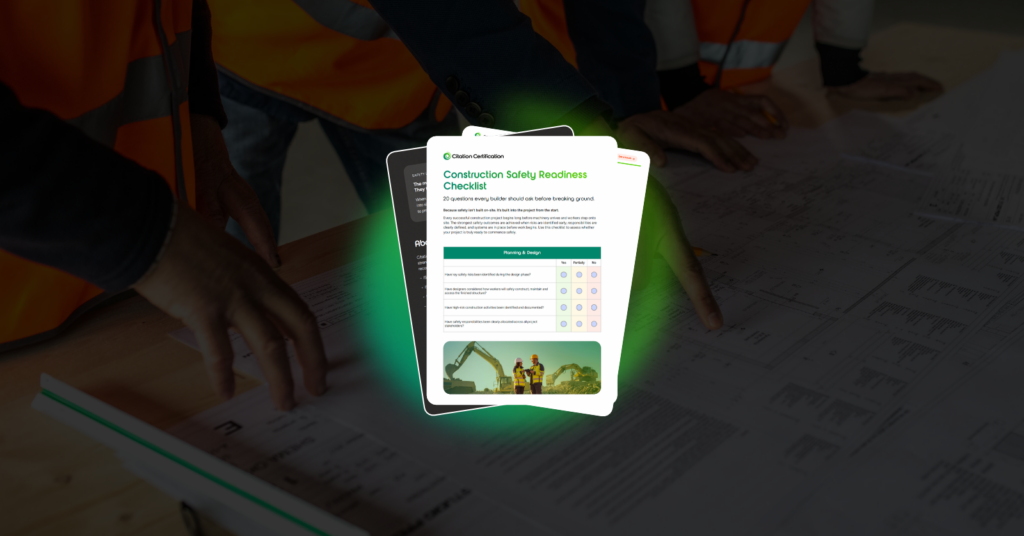

Safety isn’t built on site. It’s built into the project from the start — in...

Have your employees started submitting leave requests for December? Do your bar staff want to...
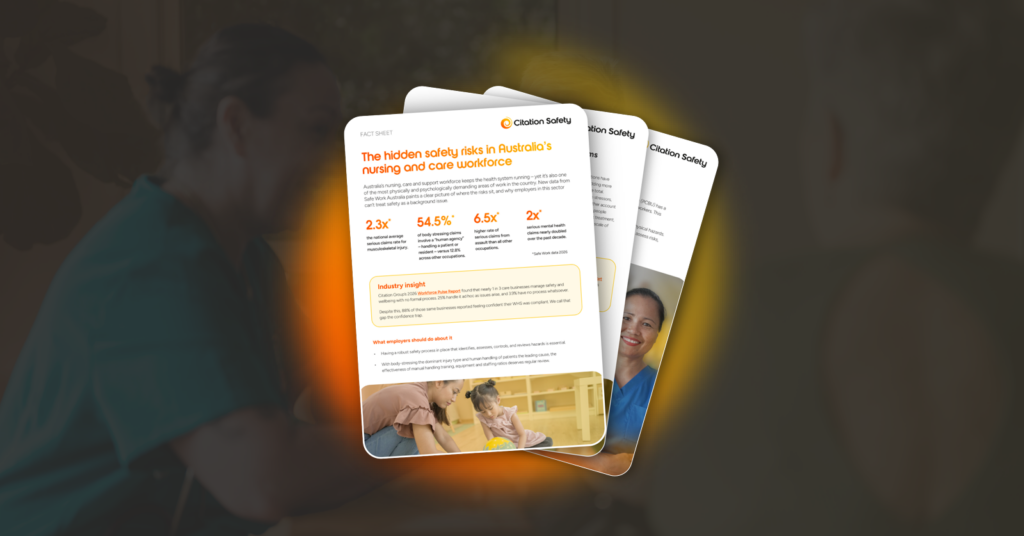

Nursing and care workers keep Australia’s health system running, and the work asks a lot...

Labour shortages. Multiple contractors and subcontractors. Tight deadlines. Client expectations. Compliance obligations across several sites...