







 HR & Safety Software
  ISO Training Academy
  foundU Client Login
Blogs
Brittany Byrne named finalist in the 2026 Lawyers Weekly Women in Law Awards
Brittany Byrne recognised as a finalist in the Mentor of the Year category.
15 October, 2026
 Blogs
21 August, 2025
Blogs
21 August, 2025

From 1 December 2026, new Workplace Exposure Limits (WELs) will officially replace the current Workplace Exposure Standards (WES) across Australia. This change, introduced by Safe Work Australia, will affect how all businesses – large and small – must manage airborne contaminants in the workplace. If your business uses chemicals, works with dusts, fumes, or vapours, or operates in manufacturing, trades, healthcare, or even hospitality, these changes may apply to you. In this article, we’ll discuss what’s changing and how you can prepare.
Safe Work Australia reviewed over 700 chemicals to align exposure limits with the latest health evidence. This ensures better protection for workers and clarifies obligations for businesses. The new term “WEL” reflects more precise and enforceable limits on hazardous substances in the air.
An important modification is the inclusion of 31 new substances on the exposure list, such as diesel particulate matter, flour dust, Bisphenol-A, and polyvinyl chloride dust. These additions reflect the growing understanding of emerging risks and the need for updated safety measures in diverse environments.
Crucially, exposure limits have been removed for 33 genotoxic carcinogens, including compounds like acrylamide, vinyl chloride, and benzidine, due to their high cancer-causing potential. These substances must either be eradicated entirely, replaced with safer alternatives or brought under tight control through advanced containment practices.
Additionally, six banned chemicals, including DDT and Aldrin, have been fully excluded from the updated framework. This removal aligns with global safety and environmental standards, further reducing the likelihood of harmful exposure incidents.
In order to ensure compliance with the new WELs, every PCBU (Person Conducting a Business or Undertaking) must:
Conduct a thorough review to determine all potential airborne risks present in your work environment. This includes identifying not just existing hazards but also those added under the new WELs, such as diesel particulate matter or flour dust.
Comprehensive exposure monitoring should be performed to evaluate whether current workplace conditions meet the revised limits. This process helps pinpoint areas needing immediate attention to mitigate risks.
If any substance exceeds the updated limits, implement robust control measures. This may involve engineering solutions, administrative practices, or personal protective equipment to effectively reduce worker exposure.
Ensure that all workplace documentation, including Safety Data Sheets (SDS), risk assessments, Safe Work Method Statements (SWMS), and hazardous chemical registers, reflects the new exposure limits. Accuracy in these records is essential for compliance and worker safety.
With the deadline approaching, early action is critical to ensure compliance. Begin reviewing processes, updating controls, and educating staff to align with the new requirements well before December 2026.
The introduction of Workplace Exposure Limits isn’t just a name change; it’s a shift in how businesses must assess and control chemical and airborne risks. Compliance isn’t optional, and acting early ensures your workplace stays safe and legally compliant. Failing to comply can lead to severe financial penalties for both businesses and individuals, and reputational damage.
While the deadline may seem far away, understanding your risk profile and starting preparations early will help avoid costly last-minute compliance issues. Many small and medium businesses may need assistance reviewing their WHS systems, training, and documentation. If this is the case for you, we’re here to help.
If you’re unsure how these changes will affect your business, reach out to our 24/7 safety advice line. We’ll help you break down the WEL changes into practical actions, so you can breathe easy, knowing your workplace is protected. If you’re not a current client, we’re offering a free consultation to help you assess how your business can stay compliant. Contact us here for a chat.
Brittany Byrne recognised as a finalist in the Mentor of the Year category.
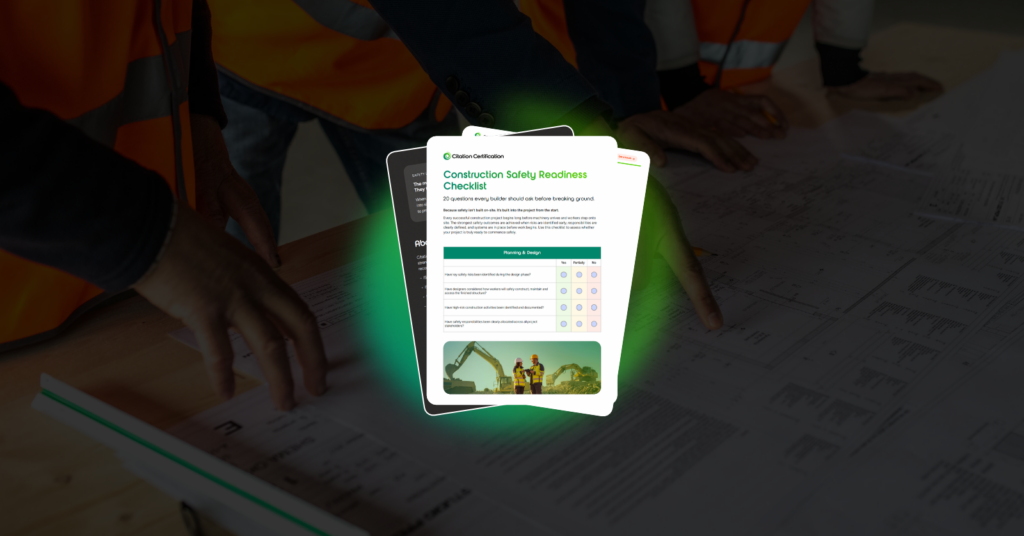

Safety isn’t built on site. It’s built into the project from the start — in...


Have your employees started submitting leave requests for December? Do your bar staff want to...

Nursing and care workers keep Australia’s health system running, and the work asks a lot...

Labour shortages. Multiple contractors and subcontractors. Tight deadlines. Client expectations. Compliance obligations across several sites...