







 HR & Safety Software
  ISO Training Academy
  foundU Client Login
Events
Don’t carry it into 2027: the real cost of the HR problems you’re rolling over
Every business ends the year with a couple of loose ends – the performance issue...
 Blogs
9 July, 2026
Blogs
9 July, 2026

A recent Federal Circuit and Family Court ruling has sent a clear message to business owners across Australia: closing down a company won’t shield you from personal liability for underpaying workers.
In a case brought by the Fair Work Ombudsman (FWO), David Mark Blumentals – sole director and shareholder of IT services firm D365.Group Pty Ltd – was ordered to personally repay $148,812 in underpaid entitlements to 16 workers, plus interest. He was also handed a $35,308 penalty. The company had been placed into liquidation in 2023, but the court’s orders fell on Blumentals personally.
Between October 2021 and December 2022, D365.Group Pty Ltd failed to pay 16 IT consultants their full entitlements. All 16 weren’t paid accrued annual leave at the end of their employment. 12 weren’t paid their wages in full for their final weeks of work. One worker was also underpaid payment in lieu of notice. Individual shortfalls ranged from $4,581 to $23,749, with seven of the affected workers being visa holders.
Blumentals wasn’t a passive bystander. He directly managed the company’s day-to-day operations and was personally responsible for human resources and payroll. That involvement proved critical to the court’s findings.
What made the case more serious was its history. A 2019 court ruling had already found that a company he controlled had underpaid a worker $9,604 for the same types of entitlements. Despite that ruling, the conduct continued. Presiding Judge Gillian Eldershaw found the non-compliance was deliberate, and noted that Blumentals had shown no contrition and made no effort to rectify the underpayments – instead making what the court described as baseless claims against the affected workers.
Liquidation isn’t a legal escape route. Where a director is sufficiently involved in contraventions of the Fair Work Act 2009, they can be held personally liable – both for penalties and for compensation orders to make workers whole.
Anna Booth, from the Fair Work Ombudsman, was explicit: “Business operators need to be aware that they can be pursued in court for penalties and compensation orders, even in circumstances where their company has been wound up.”
The court also noted that the underpayments gave Blumentals a commercial advantage over competitors who were meeting their obligations – a point that influenced the level of penalty imposed.
The underpayments related to entitlements under the National Employment Standards (NES) – the minimum employment conditions that apply to all workers covered by the national workplace relations system, regardless of industry or award. These include:
These aren’t grey areas. They’re baseline legal requirements, and courts treat deliberate failure to meet them seriously.
This case isn’t an outlier. The FWO has filed 171 litigations involving visa holder workers alone over the past eight financial years, securing $39 million in penalties. Enforcement is active, and the courts are willing to look behind corporate structures when the conduct warrants it.
Most business owners want to do the right thing – but payroll gaps don’t always announce themselves. Citation Group’s Workforce Pulse 2026 research, which surveyed 510 Australian business owners and leaders, found that 42 per cent have discovered a payroll error at some point, with most only surfacing when someone actively looked. The lesson isn’t limited to cases of deliberate wrongdoing: even well-run businesses can carry underpayment exposure they’re not aware of.
Here are some practical steps every business owner and HR leader should take to reduce exposure:
Fair Work compliance isn’t just a payroll administration matter – it’s a governance issue that sits with business owners and directors. When things go wrong, the courts are prepared to hold individuals personally accountable, even where a company no longer exists.
If there’s any uncertainty about whether current pay practices are meeting the requirements of the Fair Work Act or the relevant award or enterprise agreement, it’s worth getting that advice before a complaint is made.
Citation HR works with businesses across Australia to review pay and entitlement frameworks, identify compliance gaps, and put the right processes in place.
Our sister company, foundU, empowers your workforce with an employee self-service app that gives your staff the tools they need for onboarding, scheduling, and payroll in one seamless platform.
Get in touch with our team today.
Every business ends the year with a couple of loose ends – the performance issue...

Brittany Byrne recognised as a finalist in the Mentor of the Year category.
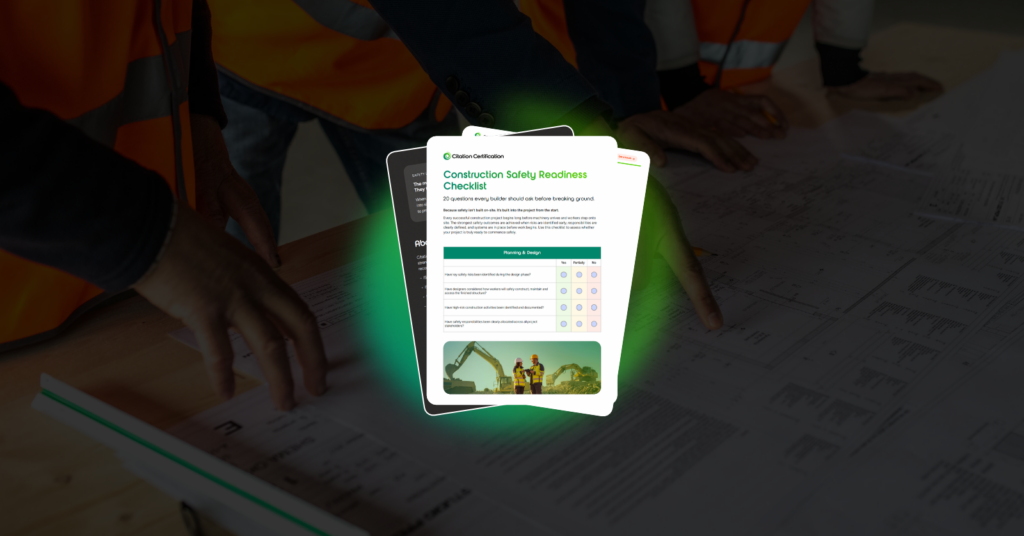

Safety isn’t built on site. It’s built into the project from the start — in...

Have your employees started submitting leave requests for December? Do your bar staff want to...
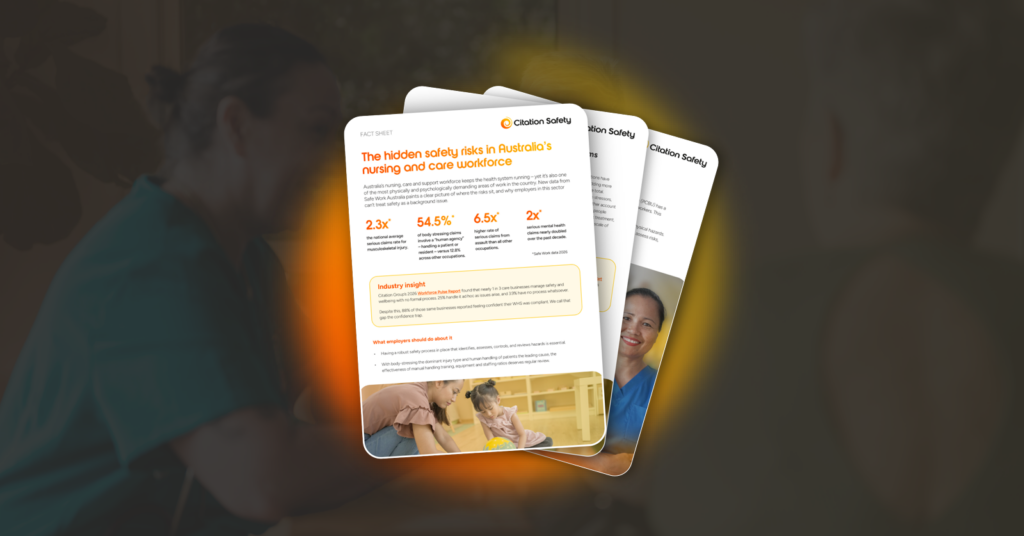

Nursing and care workers keep Australia’s health system running, and the work asks a lot...