







 HR & Safety Software
  ISO Training Academy
  foundU Client Login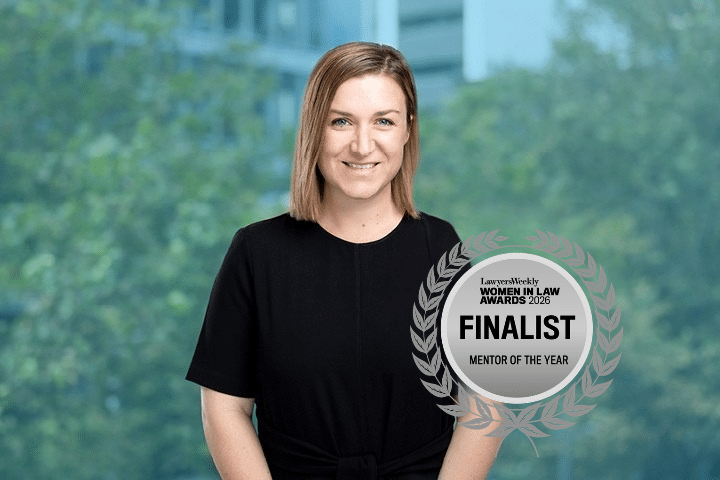
Blogs
Brittany Byrne named finalist in the 2026 Lawyers Weekly Women in Law Awards
Brittany Byrne recognised as a finalist in the Mentor of the Year category.
15 October, 2026
 Blogs
15 July, 2026
Blogs
15 July, 2026

When we say “Workplace Wellness” what comes to mind? Maybe you picture a free Pilates class, an in-office massage therapist, free food at lunchtime, or an additional day off per year. These are all great perks, but in reality, they don’t actually address the root cause of stress at work.
This is wellness washing – offering wellness perks without addressing what’s actually driving the pressure: unmanageable workloads, unclear roles, unresolved conflict, or a culture where taking leave feels unsafe. No amount of Pilates or free lunches changes that – and under current Work Health and Safety (WHS) obligations, it won’t satisfy the law either.
Most of the time, wellness washing isn’t intentional – it’s a mismatch between good intent and the wrong fix. A Pilates class is quick to set up and visible straight away. Redesigning workloads or fixing a broken management structure takes time.
Businesses also often feel pressure to be seen ‘doing something’ about the problems, especially after a restructure, a spike in sick leave, or a bullying complaint. A wellness perk delivers a fast, visible response. A proper review of workload or management practice doesn’t – even if it brings the change actually needed.
The regulatory reality
Psychosocial hazards – workload, bullying, poor role clarity, low job control – are now explicitly regulated under work health and safety frameworks in every Australian jurisdiction. Businesses have a legal duty to identify, assess and control these risks, not just be seen to care about them.
Enforcement is catching up with the law. In New South Wales, codes of practice become the minimum performance standard a business is expected to meet from 1 July 2026, under section 26A of the Work Health and Safety Act 2011. A business must either follow the applicable code or prove it’s managing the risk to an equal or higher standard – and a regulator doesn’t need to prove harm occurred to establish a breach.
The 2026 Workforce Pulse Report (WFPR) found that, while organisations largely have physical safety under control, systems are lagging behind for psychosocial risks.
“Organisations are really well prepared, considered, organised when it comes to physical risk within a workplace, but their confidence in their systems is lagging when it comes to psychosocial risk…. the report also identified that over 30% of businesses were dealing with psychosocial risk on an ad hoc basis.”
What does genuine psychosocial risk management look like?
So, what are we getting at with this article? Wes O’Donnell explains:
“Wellness washing is one of these new terms that effectively refers to a number of initiatives… which are great, and shouldn’t be discounted. They [add value to an organisation and increase and improve the business’s employer value proposition.
But really, those types of initiatives can’t be a substitute for effective work health safety management.”
What does effective WHS management look like? Genuine psychosocial risk management starts with data, and takes shape through a few consistent practices:
Wellness Washing isn’t a failure of intent – most businesses genuinely want to look after their people. The failure is mistaking visibility for action. A yoga class or free lunches might lift morale for a moment, but they don’t touch workload, role clarity, or the conditions causing the stress in the first place.
Genuine psychosocial risk management protects people and reduces regulatory exposure. Wellness washing does neither – and that gap is exactly what regulators are now equipped to see.
The businesses getting this right aren’t the ones with the most generous perks – they’re the ones treating psychosocial risk as seriously as a physical hazard: identified, assessed, controlled, and reviewed. If that process isn’t in place yet, Citation Safety can help you build it.
Citation Safety has created a unique suite of psychosocial management offerings designed to assist Australian businesses in complying with their WHS obligations regarding psychosocial hazards and enhancing workplace safety and compliance, including an Employee Assistance Program. If you’d like to learn more about the robust safety solutions we can provide, why not arrange a confidential, no-obligation chat today?
Brittany Byrne recognised as a finalist in the Mentor of the Year category.
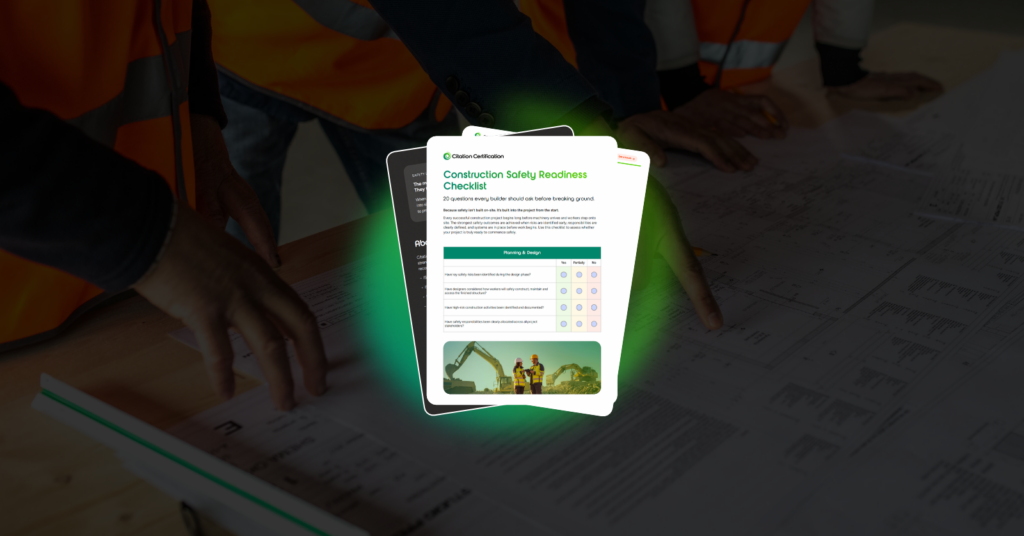

Safety isn’t built on site. It’s built into the project from the start — in...


Have your employees started submitting leave requests for December? Do your bar staff want to...
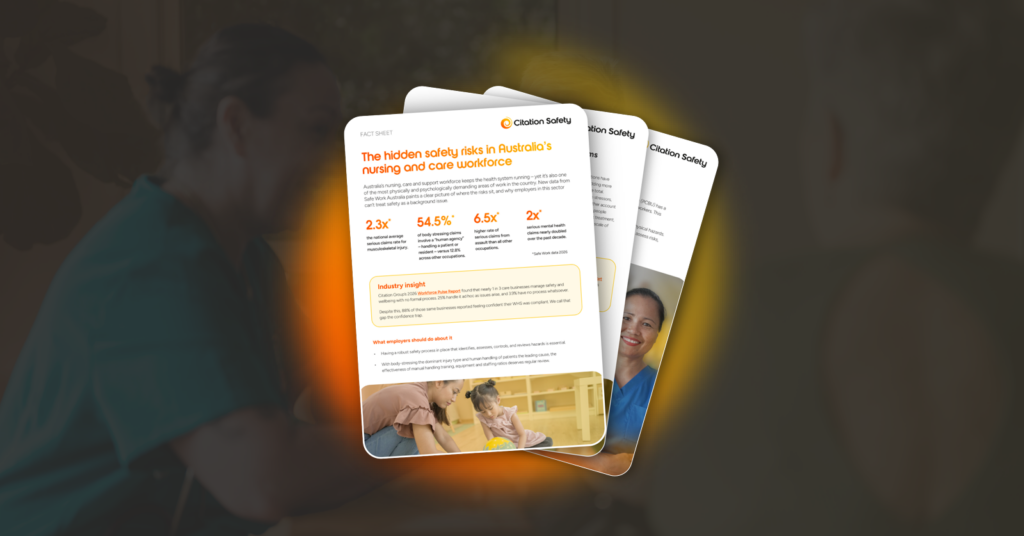
Nursing and care workers keep Australia’s health system running, and the work asks a lot...

Labour shortages. Multiple contractors and subcontractors. Tight deadlines. Client expectations. Compliance obligations across several sites...