







 HR & Safety Software
  ISO Training Academy
  foundU Client Login

Blogs
Brittany Byrne and Lisa Qiu selected for Elite Women 2026
Brittany and Lisa recognised by Australasian Lawyer and NZ Lawyer as Elite Women in 2026.
22 October, 2026
 Blogs
31 July, 2026
Blogs
31 July, 2026

The world’s most widely used environmental management standard has a new edition. ISO 14001:2026 was published on 15 April — the first major revision since 2015 — and the transition clock is now running for every ISO 14001 certified business in Australia.
Environmental credentials are playing a bigger role in how Australian businesses win work. Government tenders, corporate supply chains, and ESG-driven procurement processes are increasingly asking for evidence of environmental performance, not just proof that a certified system exists.
say ISO certification matters
actually hold it
According to Citation Group’s Workforce Pulse Report 2026
Chantal Guay, CEO of Standards Council of Canada, said in ISO’s announcement that standards consistently help businesses cut costs and operate more efficiently, and that new research now points to a wider economic benefit too. “Increasing the use of ISO 14001 is associated with lower emissions, even as the economy continues to grow,” she said.

The core structure of ISO 14001 is unchanged — organisations certified to the 2015 standard won’t be rebuilding from scratch. But the 2026 edition introduces four practical changes that reflect how environmental expectations have shifted since 2015.
According to Susan Taylor Martin, Chief Executive of the British Standards Institution, the latest revision goes well beyond a routine update — equipping organisations with the tools to embed environmental thinking into strategy, demonstrate real accountability, and deliver measurable impact.




Environmental certification has moved well beyond compliance. For Australian businesses that tender for government work, supply large corporates, or operate in construction, infrastructure, mining, or logistics, ISO 14001 is increasingly the price of entry.
Following the publication of ISO 14001:2026 in April we’re expecting a three-year transition period. However, the transition arrangements are currently being finalised by JAS-ANZ in alignment with the proposed Global ACI transition requirements.
For most businesses with a well-maintained system, the gap won’t be significant – but context analysis, change management documentation, and supply chain controls are the areas most likely to need attention.
If you’re currently certified to ISO 14001:2015, or you’re considering certification for the first time, get in touch with our team to find out how we can support you through the update.
Brittany and Lisa recognised by Australasian Lawyer and NZ Lawyer as Elite Women in 2026.

Every business ends the year with a couple of loose ends – the performance issue...
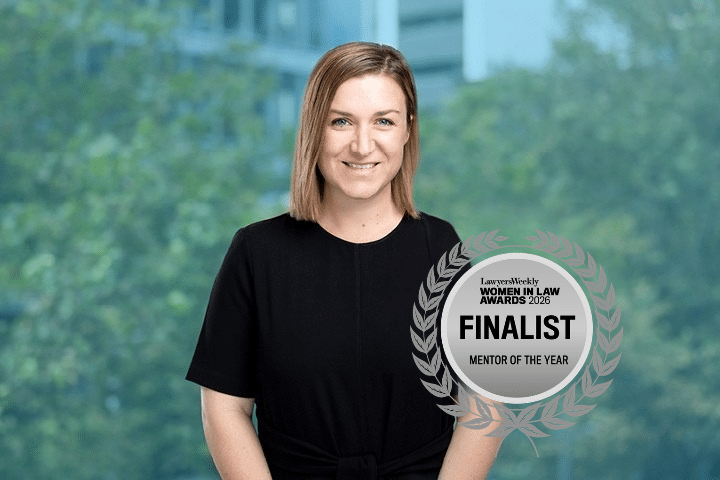
Brittany Byrne recognised as a finalist in the Mentor of the Year category.
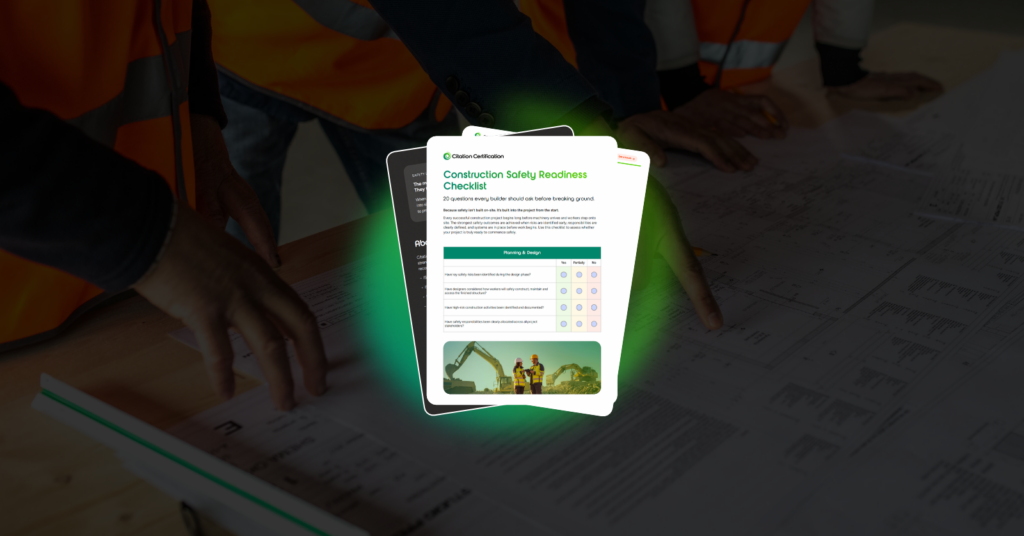
Safety isn’t built on site. It’s built into the project from the start — in...


Have your employees started submitting leave requests for December? Do your bar staff want to...