







 HR & Safety Software
  ISO Training Academy
  foundU Client Login

Blogs
Brittany Byrne and Lisa Qiu selected for Elite Women 2026
Brittany and Lisa recognised by Australasian Lawyer and NZ Lawyer as Elite Women in 2026.
22 October, 2026
Blogs
24 June, 2026

The biggest SCHADS Award shake-up in years has arrived, with the FWC’s 1 June 2026 decision delivering a major overhaul of the Award’s classification structure and minimum pay rates.
If you employ staff in social and community services, crisis accommodation, home care or disability care, this is the most significant change to employee pay and classifications the sector has seen in years. Under the new rates, a Certificate III employee will earn at least $1,579 per week, with senior classifications exceeding $2,500.
Depending on how your employees are currently classified, some could see pay rises of up to 28%, creating significant cost and compliance implications for employers.
There are two key dates to put in your calendar:
The changes stem from a FWC review launched in 2024 into whether work covered by five key modern awards, including the SCHADS Award, had been undervalued on a gender basis.
In its 16 April 2025 decision , the Commission found the classification structures in Schedules B (Social and Community Services), C (Crisis Accommodation), and E (Home Care – Disability Care), along with their associated wage rates, had been affected by gender-based undervaluation.
It also found that the SCHADS Award classification structures and the pay rates were not ‘fit for purpose’, noting that in some cases there was ‘widespread misclassification’.
As a result, the Commission adopted a ‘two birds, one stone’ approach, proposing a draft classification structure that would address the problems with the SCHADS Award’s existing classification structures and also increase the minimum rates of pay that had been affected by gender-based undervaluation.
The current SCHADS Award has separate classification structures across multiple schedules: Schedule B (Social and Community Services Employees), Schedule C (Crisis Accommodation Employees) and Schedule E (Home Care Employees – Disability Care), among others. From 1 October 2027, these will be replaced by a single unified structure that covers all employee types.
The key features of the new structure:
This is a significant piece of work. Here’s how to approach it.
Review whether you employ staff under Schedule E (Home Care – Disability Care). If you do, those employees are entitled to a 15% interim pay increase from the first full pay period on or after 1 October 2026. Update your payroll accordingly.
The 1 October 2027 deadline may feel distant, but reclassifying the relevant employees, updating contracts and position descriptions, and meeting your consultation obligations takes time, particularly if your current classifications may not be accurate.
The businesses that get this right early will avoid the disputes, underpayment claims and employee relations issues that tend to follow rushed implementation.
If you’re not sure where to start, talk to your Citation Legal adviser. We’ll help you work through the classification process, understand your consultation obligations, and make sure you’re ready before the deadlines hit.
Zoe McQuillian – Special Counsel at Citation Legal
Michal Roucek – Partner at Citation Legal
Brittany and Lisa recognised by Australasian Lawyer and NZ Lawyer as Elite Women in 2026.

Every business ends the year with a couple of loose ends – the performance issue...

Brittany Byrne recognised as a finalist in the Mentor of the Year category.
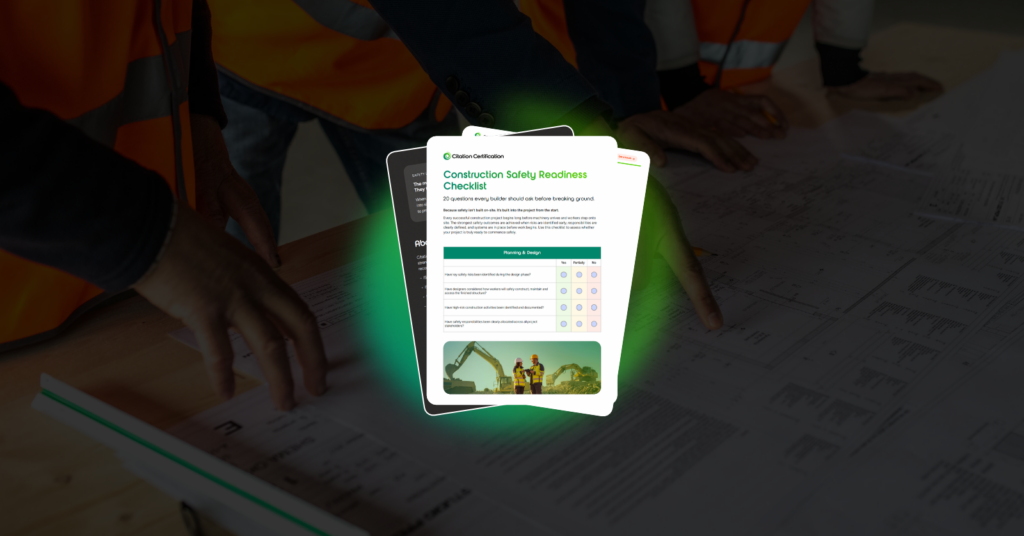

Safety isn’t built on site. It’s built into the project from the start — in...


Have your employees started submitting leave requests for December? Do your bar staff want to...