







 HR & Safety Software
  ISO Training Academy
  foundU Client Login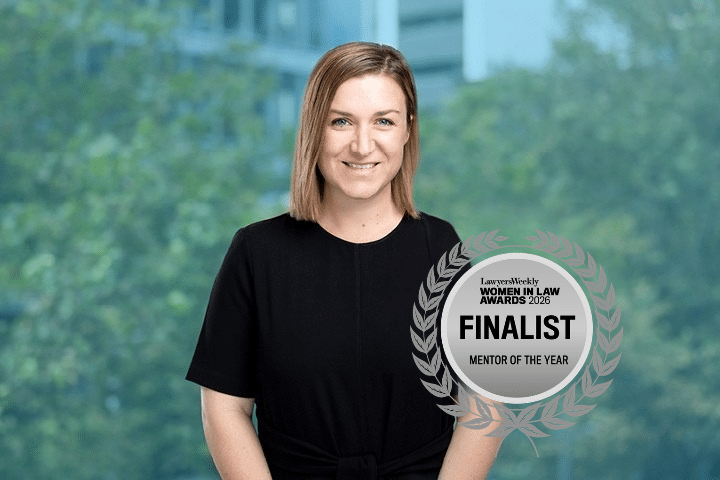
Blogs
Brittany Byrne named finalist in the 2026 Lawyers Weekly Women in Law Awards
Brittany Byrne recognised as a finalist in the Mentor of the Year category.
15 October, 2026
 Blogs
29 July, 2026
Blogs
29 July, 2026

On 1 July, SafeWork NSW released its four key priority areas for the new 2026–2027 Regulatory Statement. This year’s focus areas are falls from heights, psychosocial risks, hazardous substances, and mobile plant, vehicles and fixed machinery.
SafeWork NSW has addressed these priorities swiftly. Since the release, six of the seven workplace fines publicised by SafeWork NSW have fallen within one of the new focus areas.
In total, fines reaching $110,000 have been issued for falls from heights, $420,000 for hazardous substance exposure, and $60,000 for heavy machinery-related injuries.
SafeWork Commissioner Janet Schorer urged businesses “in those key priority areas to think really seriously about their work health and safety in terms of what is working well and what needs to be improved.”
While no fines for psychosocial non-compliance have been released by SafeWork NSW in July, the safety body’s commitment to this increasingly scrutinised aspect of workplace health and safety is reflected in a $127.7 million funding boost from the NSW Government, aimed at better addressing workplace mental health risks.
Proper planning, controls and training are the bread and butter of strong workplace health and safety (WHS) practices. Here’s what this means for SafeWork’s key priority areas.
Falls from height remain the leading cause of fatalities in the construction industry. These incidents often occur from workers falling from scaffolding, ladders, roofs, and platforms. Under the WHS Act 2011, employers (PCBUs) must ensure adequate fall prevention measures are in place for any work conducted higher than two metres in the air.
How to address this hazard:
Incidents involving machinery, such as forklifts, cranes, and earth-moving equipment, are a primary cause of workplace fatalities. These machines can cause workers to get struck, caught, or crushed, so ensuring compliance is essential. Australian WHS regulations require PCBUs to conduct risk assessments and provide proper training to address these dangers.
How to address this hazard:
To create a psychologically healthy and safe workplace, adopt a risk-based approach: identify potential harms, consult with workers, implement control measures, monitor safety, and regularly review work design.
How to address this hazard:
Proactively identifying and managing psychological risks helps address issues before they escalate. Engaging with workers ensures measures are practical and effective, allowing businesses to avoid recognising risks only after harm occurs. Tackling these risks can save money, boost employee wellbeing, and enhance organisational performance and productivity.
Many businesses – about one in three – store hazardous chemicals on-site: restaurants, cleaning businesses, construction, gardening, hardware stores, fuel stations, and painters, to name a few.
How to address this hazard:
Businesses can manage the risk of injury and ill-health through exposure or immediate harm – such as through explosions or fire – via the hierarchy of controls.
Navigating these four priority areas at once is a lot to manage on top of running a business. Citation Safety gives businesses the tools, advice and support to build genuine, demonstrable safety practices – not just paperwork that looks good until an inspector arrives.
From WHS audits and gap assessments through to our digital WHS Software platform and around-the-clock Safety Advice Line, we help businesses identify where they stand against SafeWork NSW’s priorities before a regulator does it for them.
If your business operates in a high-risk sector, or you’re simply not sure where the gaps are, get in touch with our team for a confidential conversation about what needs to happen next.
Brittany Byrne recognised as a finalist in the Mentor of the Year category.
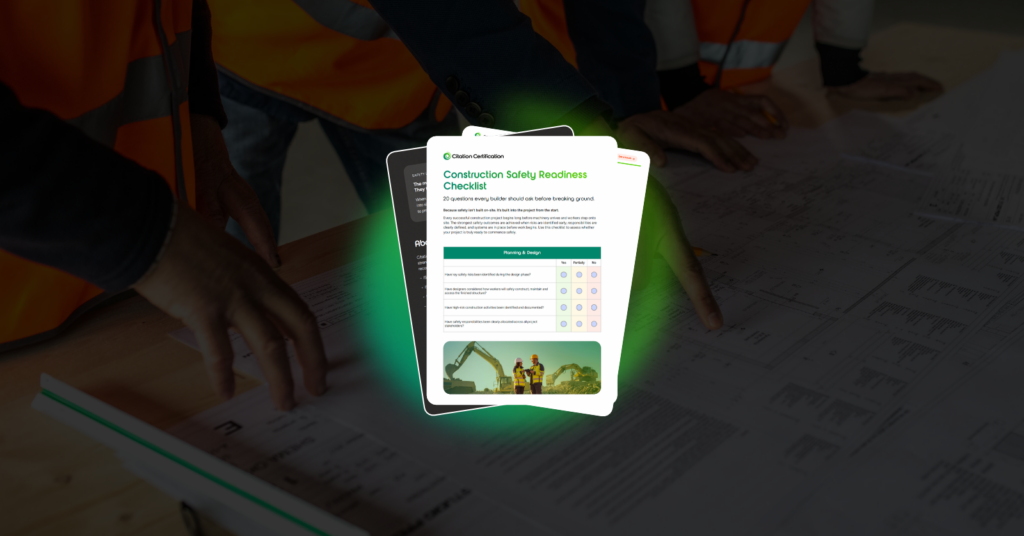

Safety isn’t built on site. It’s built into the project from the start — in...


Have your employees started submitting leave requests for December? Do your bar staff want to...
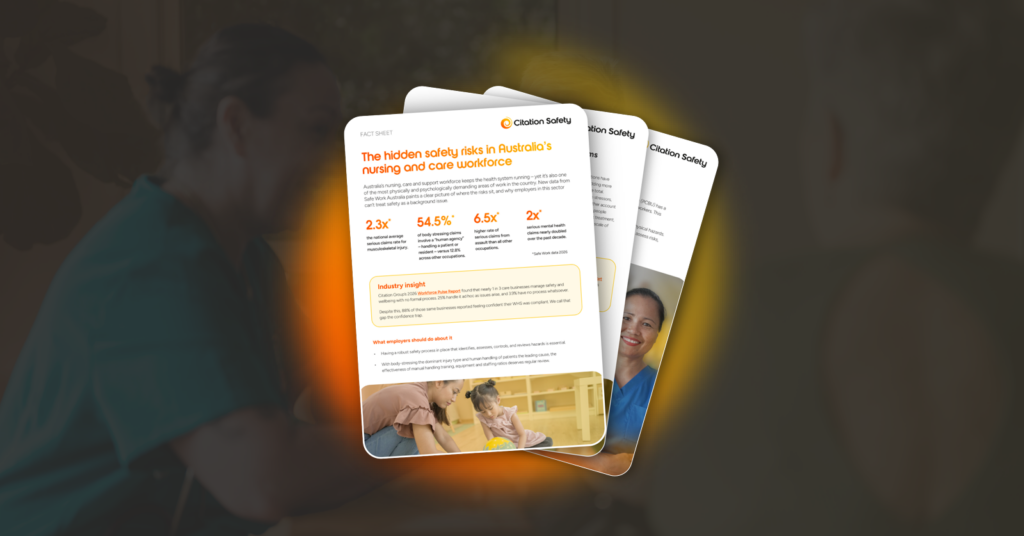
Nursing and care workers keep Australia’s health system running, and the work asks a lot...

Labour shortages. Multiple contractors and subcontractors. Tight deadlines. Client expectations. Compliance obligations across several sites...