








 HR & Safety Software
  ISO Training Academy
  foundU Client Login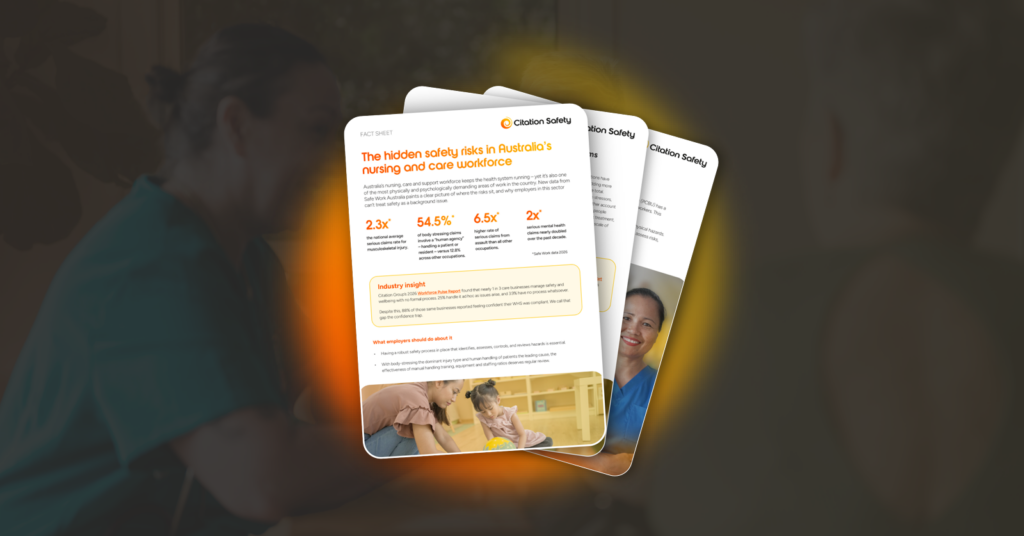

Guides
The hidden safety risks in Australia’s nursing and care workforce
Nursing and care workers keep Australia’s health system running, and the work asks a lot...
7 October, 2026
 Blogs
26 August, 2026
Blogs
26 August, 2026

AI has paved the way for a steep rise in unfair dismissal claims, but quantity doesn’t equal quality, and in a recent ruling the Fair Work Commission (FWC) has ordered a former ALDI employee to repay the company $1,230 compensation.
Now, FWC deputy president Michael Easton has sent a clear message – using AI as a “legal advisor and then blindly submitting AI-generated outputs” wastes both the Commission and employers’ time, and this time will be compensated for by the employee.
To make an unfair dismissal claim, an employee needs to have worked for a minimum of six months in their post.
In this case, a spokesperson for the supermarket chain, ALDI, had informed the defendant of their dismissal three days prior to this cut-off point – meaning the employee wasn’t eligible to make a claim.
Easton had contacted the defendant many times to “explain to him well ahead of the hearing, in plain English, why his case was unlikely to succeed.”
Nevertheless, the defendant ignored this advice, responding with AI-generated emails that still contained AI drafting notes such as: “Here is your **final clean copy-paste version**, with today’s date inserted as the dismissal date.”
Ultimately, the matter was taken to a hearing, the defendant’s claim was unsuccessful, and they were ordered to pay the maximum claimable compensation under the Fair Work Regulations of $1,230.
The bar to drafting an unfair dismissal claim has dropped. The head of Advisory Operations at Citation HR, Ilana Kaye, stresses that AI has made it much easier for employees to “sometimes overstate their rights, and to draft formal grievances with speed and complexity that previously required a lawyer.”
In their report the Commission praised ALDI for their swift, accurate, and documented response to the complaint. These three pillars are the foundations for a strong defence:
Businesses are feeling the pressure too. In Citation Group’s 2026 Workforce Pulse Report, 25 per cent of Australian business leaders cited ‘unfair dismissal and disputes’ as a top people management issue.
Terminations are tricky, but AI isn’t the ticket to a stress-free process. Our video, ‘Termination without tears’, will take you through the fair dismissal process, so you know what to do and when.
*AI has not been used in the drafting of this blog post.
This blog post was written by Angus Beazley, a ‘Marketing Generalist’ at Citation Group.
Nursing and care workers keep Australia’s health system running, and the work asks a lot...

Labour shortages. Multiple contractors and subcontractors. Tight deadlines. Client expectations. Compliance obligations across several sites...

Structured onboarding, a deliberate first 90 days rather than a pile of paperwork, is one...


“What we often see is businesses feel confident because they have HR policies or an...