







 HR & Safety Software
  ISO Training Academy
  foundU Client Login
Blogs
Brittany Byrne named finalist in the 2026 Lawyers Weekly Women in Law Awards
Brittany Byrne recognised as a finalist in the Mentor of the Year category.
15 October, 2026
 Blogs
14 October, 2026
Blogs
14 October, 2026

There’s a lot to get on top of before you power down for the summer break. We know the Halloween decorations are still in the cupboard, but getting to grips early with end-of-year leave entitlements is the key to a smooth and compliant shutdown.
If your business is planning to shut down for any period in which work normally occurs, you will almost certainly need to give employees written notice of when the shutdown will happen and how long it will last. While the notice period varies by award, most modern awards require a minimum of 28 days’ written notice before directing employees to take annual leave during a shutdown.
If no award or agreement applies, employers can only direct an employee to take annual leave if that direction is reasonable. An example of an unreasonable direction is one given without sufficient notice. So even if your employees are not covered by an award or agreement, giving an early written heads-up that the shutdown is happening is best practice across the board.
New starters who begin employment within the notice period must be given notice as soon as reasonably practicable. So, if you’re hiring now, make candidates explicitly aware of shutdown periods and agree arrangements in advance. .
It’s a common myth that employers can direct employees to take unpaid leave over a shutdown period if they have exhausted their annual leave. As of 1 May 2023, this is no longer the case.
If an employee does’t have enough annual leave to cover the shutdown period, the employer and employee may agree that the employee will take unpaid leave during the temporary shutdown. This agreement must also be in writing and is at the employee’s discretion.
If an employee does not agree to take unpaid leave during a shutdown period, the employer cannot require it, and the employee must be paid ordinary wages for the duration of the shutdown.
An employer’s best course of action is to have a robust, documented system for processing and approving leave. This lets employers see whether approving a leave request earlier in the year will leave an employee short of accrued annual leave come the end of the year. If an employee has exhausted their leave, the best next step is to start discussions early. Depending on the award or agreement, employers may offer the employee:
Few organisations close completely during the holiday period. This is a crucial time for hospitality and retail businesses, as well as health, social care and many more. Many professional services firms still keep a reduced team running to maintain core operations.
Working over a shutdown period does not, in itself, entitle an employee to penalty rates or loadings. However, if a public holiday falls in that period, employees should either have the day off without losing pay or, if they work, be paid the public holiday rates in their award or agreement.
You can ask employees to work overtime or on a public holiday, provided the request is reasonable. Employees can also refuse if they have reasonable grounds. Whether a request is reasonable depends on the business’s needs, the employee’s role and responsibilities, their personal commitments (such as family or caring arrangements), how much notice they get, and what their contract says.
For example, a pub expects a busy Boxing Day and asks its head chef to run the kitchen. Working public holidays is common for senior kitchen staff in hospitality, and she gets plenty of notice, so the request is reasonable. She agrees and is paid public holiday rates for the hours she works.
Working overtime or on a public holiday over the break can also bring extra entitlements under the award or agreement, such as penalty rates, a substitute day off or additional annual leave. Include these costs when you plan the shutdown, so they don’t arrive as a surprise in January.
Don’t overlook expectations about contact. Before the business closes, discuss with each relevant employee whether they need to stay contactable or on call. Now that employees have a right to disconnect, assuming someone will pick up the phone over the break is no longer a safe default.
When a full-time or part-time employee doesn’t work on a public holiday, they’re paid their base rate for the ordinary hours they would normally have worked. The base rate doesn’t include loadings, overtime or penalty rates they would get for working that day, and you can’t change a roster to avoid the payment.
If an employee does not work on a public holiday, it should not be treated as annual leave during the shutdown period. If payroll deducts annual leave for a public holiday that falls within the shutdown, employees lose leave they should have kept. Check before the shutdown whether your payroll system needs a manual adjustment, because fixing it afterwards affects every employee on leave.
If this article has raised questions about shutdown provisions in modern awards for your workplace, or you have another workplace matter you need help with, please contact our workplace relations experts via our HR Advice Line.
Not a Citation HR client? To learn more about how Citation HR can help your business, contact us here.
Brittany Byrne recognised as a finalist in the Mentor of the Year category.
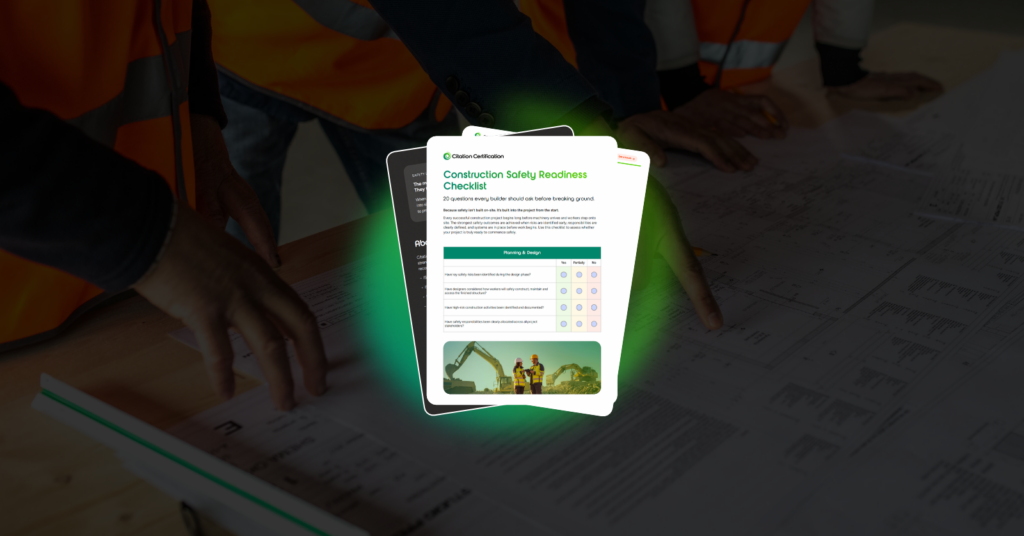

Safety isn’t built on site. It’s built into the project from the start — in...

Have your employees started submitting leave requests for December? Do your bar staff want to...
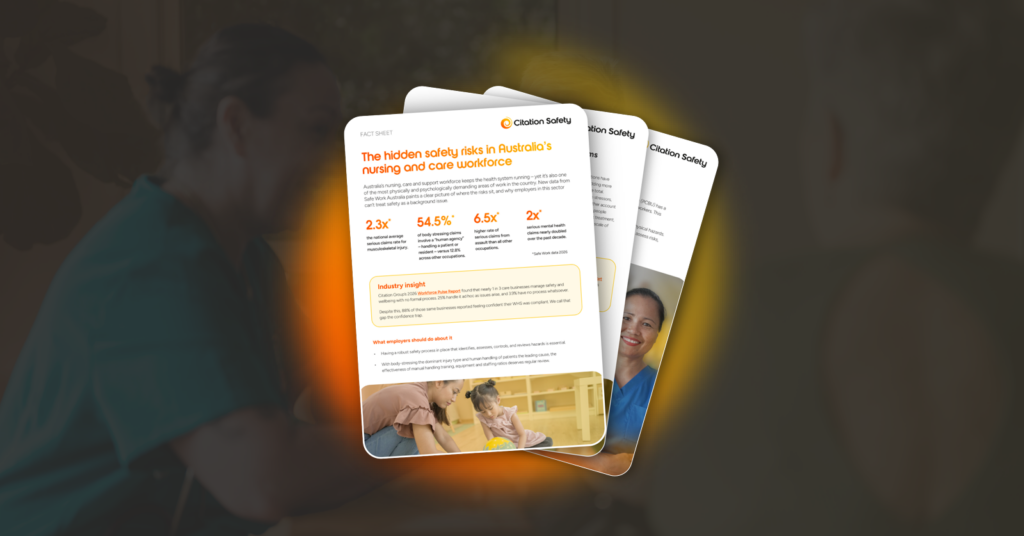

Nursing and care workers keep Australia’s health system running, and the work asks a lot...

Labour shortages. Multiple contractors and subcontractors. Tight deadlines. Client expectations. Compliance obligations across several sites...