







 HR & Safety Software
  ISO Training Academy
  foundU Client Login

Loved working with the auditors for our ISO Accreditation. They provided me with valuable feedback and observations that will certainly enhance the business. I felt very well supported during this process as it was my first audit experience.


ISO 14001 implementation is the process of designing, building, and embedding an EMS that meets the requirements of the ISO 14001 international standard – and having it independently verified by an accredited certification body.
It gives your organisation a proven framework for managing environmental responsibilities, reducing environmental risks, and improving environmental performance over time. At the heart of the standard is the Plan-Do-Check-Act (PDCA) cycle. It ensures your environmental objectives are systematically planned, implemented, monitored, and improved. That commitment to continual improvement is what separates certified businesses from those simply going through the motions.
From your first conversation with us to the moment your certificate is issued, your Citation Group auditor guides you through every ISO 14001 step, from initial gap analysis to certificate issue.






How long ISO 14001 implementation takes depends on your organisation’s size, complexity, and existing environmental management practices. Organisations with documented processes already in place can often achieve certification in three to six months. Those building an EMS from scratch should plan for six to twelve months before their Stage one audit.
The most common cause of delay isn’t complexity – it’s unclear ownership. Successful implementation requires a dedicated project lead with genuine top management support. Getting that person in place before work begins makes every subsequent ISO 14001 step faster.
Most ISO 14001 implementations that stall or fail at audit share the same root causes. Knowing them upfront puts you ahead.





When you certify with Citation Group, you get:
Loved working with the auditors for our ISO Accreditation. They provided me with valuable feedback and observations that will certainly enhance the business. I felt very well supported during this process as it was my first audit experience.

Thank you for working with us to obtain ISO 45001 Certification. The process was thorough, structured and efficient and the system enhancements we have made to achieve certification will benefit our company greatly.
The breadth of experience and technical expertise you brought to the process was invaluable and really appreciated by all the senior leadership team involved.

The collaborative relationship we’ve developed with Citation Certification has turned into a true partnership where our business needs are holistically understood and supported.

The auditor that was assigned to us was fantastic. He explained what was expected and required before the audit commenced. And even during the audit process, when things were being identified or uncovered, we could work quite dynamically. He was really accommodating and professional, and really quite pragmatic in the recommendations for improvement, which we’ve taken on board.

Our most recent audit cycle was one of the most positive experiences we’ve had since certifying to ISO/IEC 27001:2022, and the relaxed nature allowed us to engage in discourse that was open and honest about gaps and our plans to fix them.

Brittany Byrne recognised as a finalist in the Mentor of the Year category.
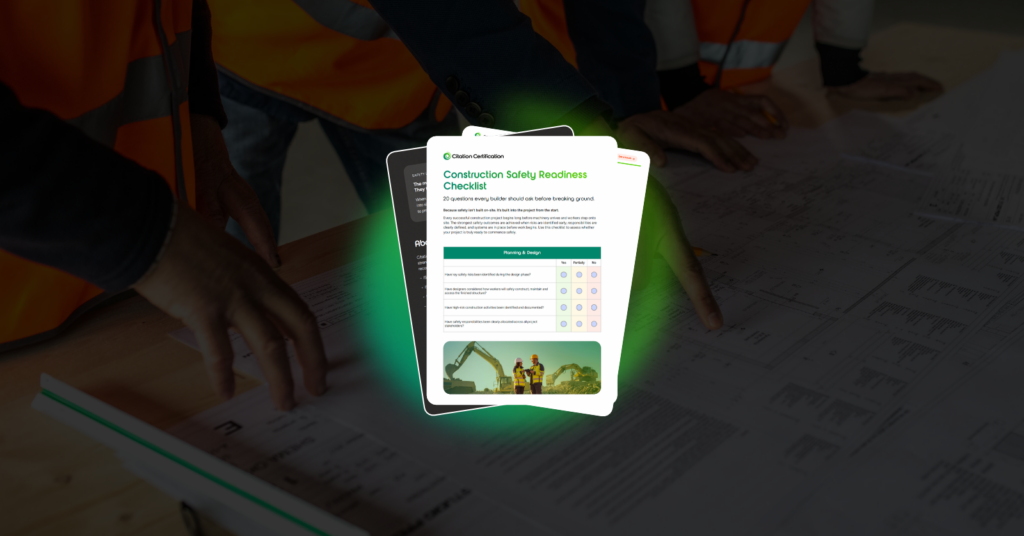
Safety isn’t built on site. It’s built into the project from the start — in...


Have your employees started submitting leave requests for December? Do your bar staff want to...
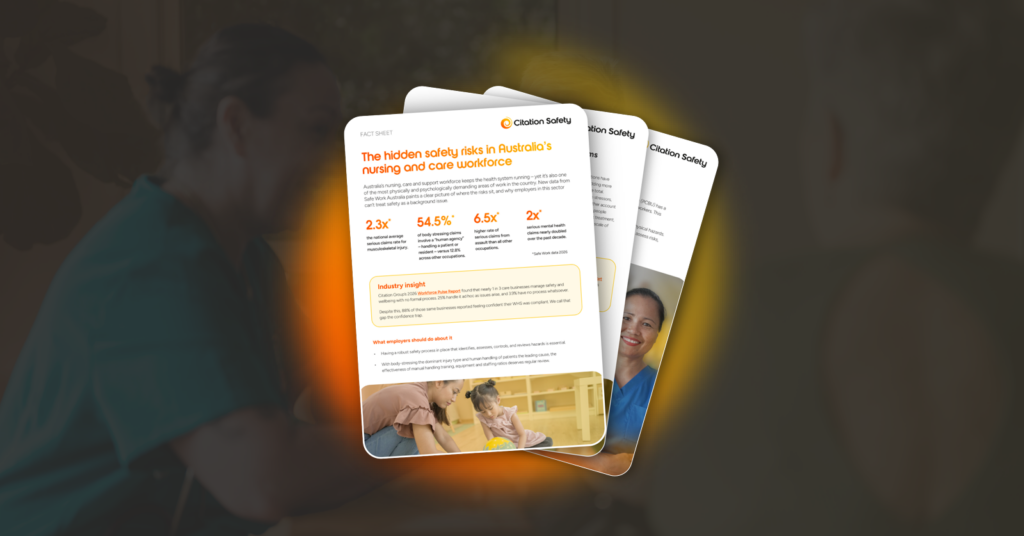

Nursing and care workers keep Australia’s health system running, and the work asks a lot...

Labour shortages. Multiple contractors and subcontractors. Tight deadlines. Client expectations. Compliance obligations across several sites...
ISO 14001 implementation is the process of building and embedding an environmental management system (EMS) that meets the requirements of the ISO 14001 international standard, then having it verified by an accredited certification body.
The process follows the Plan-Do-Check-Act (PDCA) cycle and covers establishing an environmental policy, identifying significant environmental aspects, setting environmental objectives, implementing operational controls, conducting internal audits, and completing a management review. In Australia, ISO 14001 certification must be issued by a JAS-ANZ accredited certification body.
To get ISO 14001 certification in Australia, you need to work with a JAS-ANZ accredited ISO 14001 certification company. The ISO 14001 certification process involves scoping your EMS, completing a gap analysis, building and documenting your EMS, providing training, conducting internal audits and a management review, and passing a two-stage external certification audit. Citation Group guides Australian businesses through every step, from first enquiry to certificate issue.
The ISO 14001 steps are:
Certification is then maintained through annual surveillance audits and ongoing continual improvement.
An environmental management system (EMS) is a structured framework that helps your organisation systematically manage its environmental responsibilities and improve environmental performance over time. Key components under ISO 14001 include an environmental policy, processes for identifying environmental aspects and impacts, environmental objectives, operational controls, performance evaluation procedures, internal audits, and management reviews.
Implementing an EMS helps you reduce environmental risks, meet compliance obligations, and demonstrate environmental credibility to customers, supply chain partners, and regulators.
ISO 14001 implementation typically takes between three and twelve months for Australian businesses. Organisations with documented processes and existing environmental management practices in place can often reach certification in three to six months.
Businesses building an EMS from scratch should plan for six to twelve months before their Stage one audit. A gap analysis at the start of the process gives you a realistic timeline specific to your organisation.
Compliance obligations under ISO 14001 include the legal and other requirements related to your environmental management. These may include environmental legislation, permits, and industry standards that your organisation must meet. ISO 14001 requires you to identify and track these obligations, integrate them into your EMS through operational controls, and ensure ongoing regulatory compliance. In practice, this means maintaining a legal register documenting relevant environmental legislation and reviewing it regularly as regulations change.
Significant environmental aspects are the activities, products, or services your organisation carries out that have, or could have, a substantial environmental impact. Identifying and managing significant environmental aspects is a core requirement of ISO 14001.
The standard requires you to evaluate all environmental interactions across your operations. You must determine which have the most meaningful impacts, such as waste management, energy use, water consumption, or air pollution, and address them through appropriate operational controls and environmental objectives.
Management review is a mandatory requirement of ISO 14001, where top management evaluates the EMS to ensure it meets its intended outcomes and drives continual improvement. Reviews must cover EMS performance against environmental objectives, internal audit results, new environmental risks, resource requirements, and strategic alignment. A documented management review record is essential. Without it, your auditor has grounds for a non-conformance regardless of how well the rest of your EMS is built.