










 HR & Safety Software
  ISO Training Academy
  foundU Client Login
 Employee Self Service (eSS)
Having a secure and accessible employee self service portal where your employees can log in to view and update information means you (or your HR team, if you have one) can offload a range of responsibilities. Say goodbye to constantly answering the same email queries or chasing employees for pay information or contact details, and focus on the high-level HR tasks that really matter.
Give your employees easy access to relevant resources, the ability to maintain and update their vital information, and direct control to acknowledge, report and action important tasks.



Employee self service, cloud-based and secure
Control every aspect of your employee portal and know your information is safe. We use Amazon Web Services for their speed, reliable access and industry-leading data security. With features such as Multi-Factor Authentication (MFA), secure login, industry-standard encryption and variable permissions, you have the flexibility to determine what your people can see, modify, and upload.
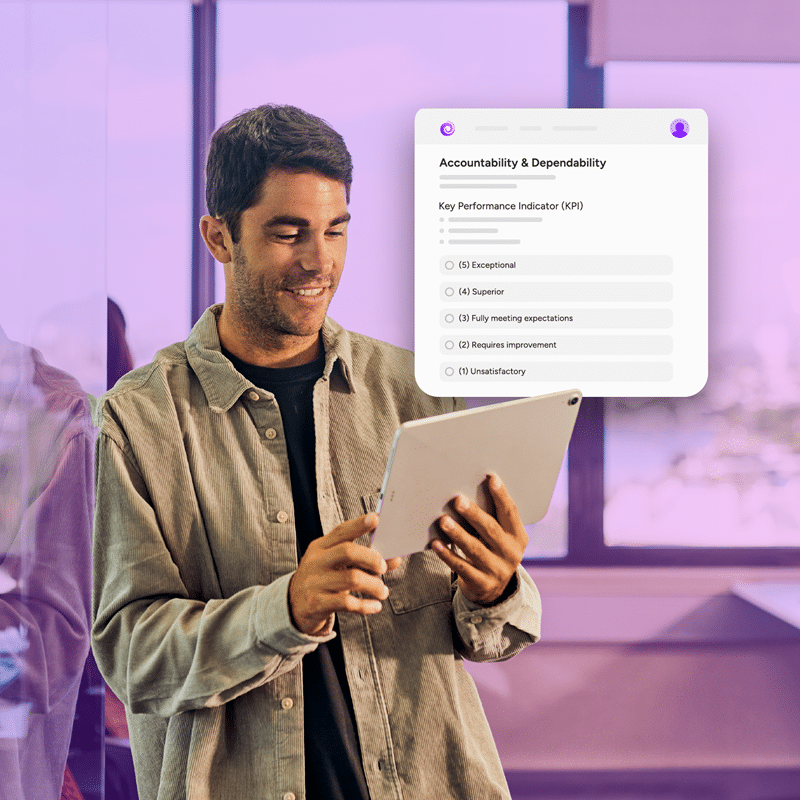
What’s inside our employee self service software





Effective workforce management helps businesses maintain HR compliance
By simplifying tasks like scheduling, payroll, and employee data management, our Australian HR software helps businesses stay audit-ready and reduce risks. With the right tools and expert support, you can align your operations with HR standards, boost efficiency, and achieve peace of mind.
Got burning questions? We’ve got answers
Employee Self Service (eSS) is a digital platform or HR portal that allows employees to access and manage their personal and work-related information without needing to go through HR or administrative staff. eSS systems are typically part of a company’s Human Resource Management System (HRMS) or payroll software.
With an eSS portal, employees can perform tasks such as:
- Viewing and updating personal information (e.g., address, contact details, emergency contacts).
- Accessing pay stubs, tax forms, and benefits information.
- Submitting time-off requests or annual leave applications, and viewing leave balances.
- Viewing work schedules and tracking attendance.
- Enrolling in training programs or benefits plans.
- Accessing company policies, announcements, and other resources.
Our eSS portal streamlines HR processes, reduces administrative workload, and empowers employees by giving them direct control over their information. It also enhances transparency and improves the overall employee experience, job satisfaction, and compliance.
Employee self service software benefits both HR and employees by streamlining processes and enhancing efficiency. For HR professionals, it reduces HR admin, improves data accuracy, lowers costs, and ensures compliance by automating routine tasks like updating records and processing leave requests. Employees gain convenience, control, and transparency, with 24/7 access to personal information, pay stubs, and benefits through the eSS platform.
Our eSS portal empowers employees to manage their own data, resolve issues quickly, and stay informed, fostering trust and engagement while enabling HR to focus on strategic priorities.
Here are the core features of eSS software and the benefits they bring to both employees and HR teams:
Key features:
- Personal information management: update contact details, emergency contacts, and bank details.
- Payroll access: view pay stubs, tax information, and salary details.
- Leave management: submit time-off requests and track leave balances.
- Benefits enrollment: enroll in or modify benefits plans, including superannuation contributions.
- Document access: download policies, tax forms, and navigate training materials.
- Work schedule management: view shifts and schedules.
- Communication tools: users can access and engage with company announcements and updates.
Benefits:
- Saves time for HR professionals and employees.
- Reduces errors and administrative tasks.
- Empowers employees and people managers with self-service.
- Enhances transparency, engagement, and workforce efficiency.
Yes, employees can access their payslips through Employee Self Service (eSS). Most eSS platforms include a payroll system feature that allows employees direct access to securely view, download, and print their payslips, as well as access tax forms and eSS salary slip details, anytime and anywhere. This eliminates the need to request payslips from HR, saving time for both employees and HR teams while ensuring quick and convenient access to important payroll and organisation information.
Yes, employees can submit leave requests through Employee Self Service (eSS). Most eSS platforms or eSS apps include a leave and attendance management feature, allowing employees to submit requests for time off, check leave balances, and track approvals directly through the portal. This streamlines the process, reduces paperwork, and ensures faster approvals, benefiting both employees and HR teams.
Employee Self-Service (eSS) enhances employee engagement by providing employees with greater control and transparency over their work-related information. Key ways eSS enhances engagement include:
- Convenience: employees can access personal details, payslips, and benefits anytime, fostering trust and job satisfaction.
- Autonomy: eSS allows employees to manage tasks like updating contact details or submitting leave requests, reducing dependency on HR.
- Transparency: clear visibility into schedules, benefits, and policies builds confidence and reduces confusion.
- Communication: access to company updates and resources keeps employees informed and connected.
- Efficiency: faster resolutions and the ability to configure case management insights for routine tasks improve the overall employee experience, leading to higher morale and employee engagement.
The key difference between Employee Self Service (eSS) and Human Resource Information System (HRIS) lies in their purpose and functionality:
- eSS (Employee Self Service):
- A feature or portal within an HR system that allows employees to manage their own data.
- Focuses on empowering employees to perform and complete tasks like updating personal details, accessing payslips, submitting leave requests, and enrolling in benefits.
- Designed for employee convenience and engagement. Employee access to HR information is available 24/7 through the employee self service portal.
- HRIS (Human Resource Information System):
- A comprehensive system used by HR professionals to manage all aspects of human resources, including payroll, recruitment, compliance, and performance management.
- Focuses on centralising HR data and streamlining HR tasks.
In short, eSS is employee-facing, while HRIS is HR-focused.