







 HR & Safety Software
  ISO Training Academy
  foundU Client Login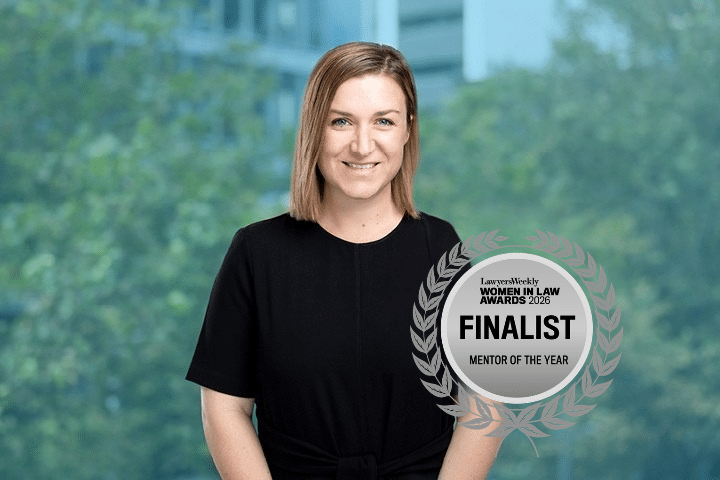
Blogs
Brittany Byrne named finalist in the 2026 Lawyers Weekly Women in Law Awards
Brittany Byrne recognised as a finalist in the Mentor of the Year category.
15 October, 2026
 Blogs
19 August, 2026
Blogs
19 August, 2026

When you think of safety risks, where does your mind go: construction, manufacturing, hazardous materials?
The latest work health and safety (WHS) data profile from Safe Work Australia doesn’t focus on your sparkies or your forklift operators, but on the baristas, retail assistants, cashiers, market vendors, cooks, bartenders, hairdressers and travel guides.
This industry, known as the sales and service industry, is huge, employing 2.3 million Aussies nationwide. It’s also one of the first industries young Australians are exposed to, with 36 per cent of the industry aged between 15 and 24.
But what are the risks posed to this vital industry, and how can employers make sure that younger workers enter the job market in a safe and compliant atmosphere?
Hospitality and retail are rewarding but demanding industries. Passionate chefs who love their trade are all too aware of how draining a busy service can be, and how quickly the kitchen can come to a boil with an aggressive or hostile line manager.
This stress is reflected in the Safe Work profile – it shows that sales and service workers are routinely exposed to psychosocial hazards such as bullying, violence and aggression, as well as job design factors including high job demands, low job control and limited support.
Surprisingly, then, mental health-related claims are some of the least common in the industry, with more than half of claims attributed to ‘muscular stress while lifting, carrying, or putting down objects’.
However, this doesn’t mean that employers face low risk for psychosocial safety claims that might stem from workplace bullying, burnout, stress and anxiety, among others.
While fewer psychosocial claims are made, successful claims result in median compensation costs 4.5 times higher than physical – so it only takes one psychosocial claim to pay out more than 4 physical claims.
At a recent Citation HR webinar attended by almost 500 business leaders, we asked about readiness for psychosocial compliance. The results reveal a clear gap between what regulators expect and what most workplaces are actually doing.
90%
have no formal process for identifying psychosocial risks
1 in 3
can’t confirm they meet their WHS obligations
63%
are only somewhat clear on their WHS obligations
8%
feel very confident their managers can recognise psychosocial risks
34%
aren’t confident they’re meeting psychosocial obligations at all
12%
of all SafeWork claims relate to psychosocial injury – up ~15% year on year
Creating a work culture and system that effectively spots psychosocial risk before it materialises is key. Here are five steps you can take to start making your workplace safer, healthier and more productive.
Conduct a psychosocial risk assessment specific to your workplace.
Generic templates won’t capture your specific hazards. Document what’s present, what controls exist, and where the gaps are.
Reframe your EAP.
It belongs in your toolkit as a tertiary measure – not the headline. Work through higher-order controls first: roster design, handover protocols, peer supervision, debriefing structures.
Train your managers.
Practical, scenario-based training that builds real capability – not a one-hour awareness session.
Review your WHS policies.
If your policies were written more than two years ago, they likely don’t reflect current state obligations.
Get specialist advice before something goes wrong.
Proactive support costs a fraction of reactive support. Fifteen per cent of webinar respondents only access specialist HR or WHS support after an incident.
Spotting psychosocial risk before it becomes a claim isn’t guesswork – it’s a system. To reduce risk, strengthen compliance, and support the well-being of your workforce, contact us today.
Brittany Byrne recognised as a finalist in the Mentor of the Year category.
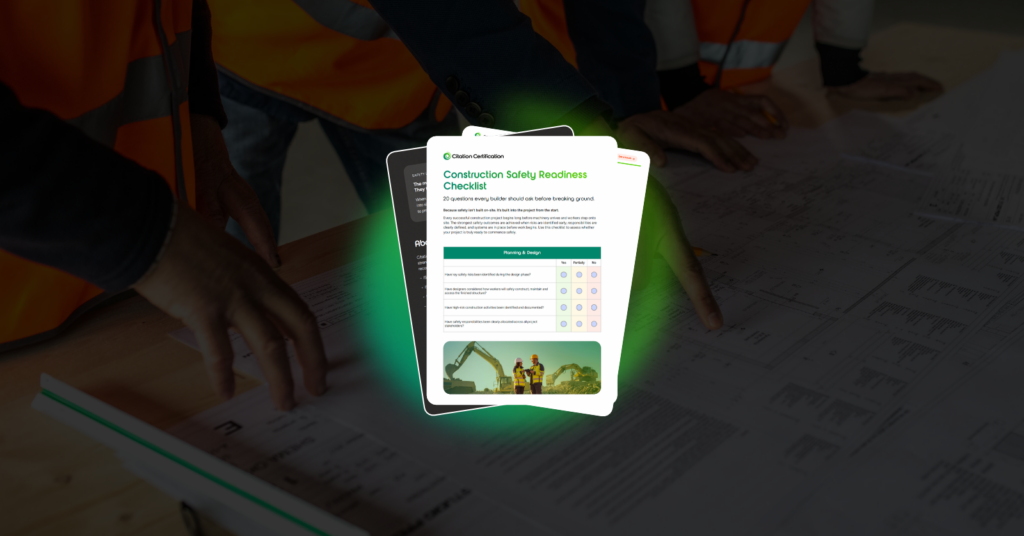

Safety isn’t built on site. It’s built into the project from the start — in...


Have your employees started submitting leave requests for December? Do your bar staff want to...
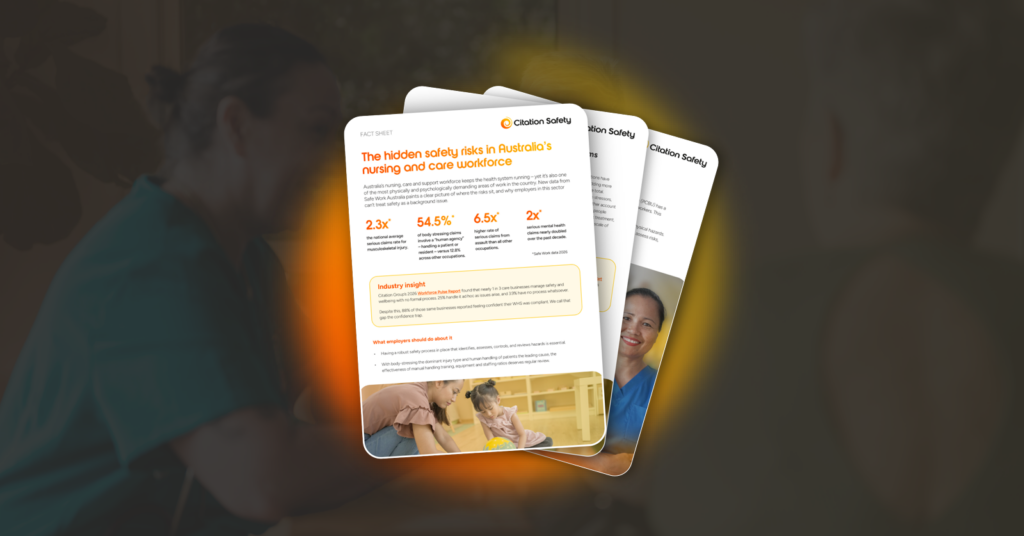
Nursing and care workers keep Australia’s health system running, and the work asks a lot...

Labour shortages. Multiple contractors and subcontractors. Tight deadlines. Client expectations. Compliance obligations across several sites...