







 HR & Safety Software
  ISO Training Academy
  foundU Client Login
Blogs
Brittany Byrne named finalist in the 2026 Lawyers Weekly Women in Law Awards
Brittany Byrne recognised as a finalist in the Mentor of the Year category.
15 October, 2026
 Blogs
22 July, 2026
Blogs
22 July, 2026

Small teams are often built on trust, flexibility, and a shared sense of purpose. When they work well, they’re some of the most engaged, high-performing environments around. But that same closeness creates a hidden risk – when pressure builds, there’s nowhere for it to go.
Burnout is one of the most common – and most overlooked – workplace hazards facing small businesses today. And for employers, it’s not just a wellbeing issue. It’s a legal one.
Burnout is often seen as emotional exhaustion, reduced motivation, and a growing sense of detachment from work, particularly in roles that involve constant patient interaction. It often develops gradually and may go unnoticed until it affects performance or health. When one person is stretched, the impact is felt across the entire team. Over time, this can create a cycle of fatigue, frustration, and declining morale.
Small teams can be particularly vulnerable due to:
Under WHS legislation, employers have a duty to ensure, so far as is reasonably practicable, the health and safety of workers. This includes both physical and psychological health.
Burnout may fall under the broader category of psychosocial hazards, alongside factors such as workload, role clarity, job demands, and workplace relationships. Regulators are increasingly clear that these risks must be identified, assessed, and managed in the same way as physical hazards.
Burnout rarely appears suddenly but over time. Early identification allows employers to intervene before issues escalate into extended leave, errors, or employee turnover.
Signs may include:
Managing burnout doesn’t require large budgets or complex programs. For small practices, practical and consistent actions are often the most effective.
Regularly assess whether workloads are realistic; small adjustments can significantly reduce cumulative stress.
This may involve:
Unclear roles are a common contributor to stress in small teams. Clear expectations reduce anxiety and conflict, particularly in high-pressure moments.
Workers should understand their primary responsibilities, what’s expected during busy periods, and who to escalate issues to when overwhelmed.
A psychologically safe workplace is one where workers feel able to raise concerns early. This doesn’t require formal meetings, but it does require consistency.
In practice, this looks like regular check-ins, normalising conversations about workload and fatigue and responding constructively when concerns are raised.
While individual resilience strategies are valuable, they shouldn’t replace system-level controls. Burnout prevention is more effective when recovery is built into the work system.
Encourage recovery by:
Employee Assistance Programs (EAPs) are employer-funded services that give workers confidential access to professional support – typically counselling, mental health guidance, and referrals to specialist services.
They’re only effective if workers know they exist and feel safe using them, so promotion shouldn’t be a one-off mention in an induction pack. When leaders normalise seeking support, it removes the stigma that stops people from reaching out.
Workers should know what’s available, that it’s confidential, and that using it is encouraged – not something that will reflect negatively on them.
Workplace culture is shaped by everyday behaviours, not policy documents alone. In dental practices, culture is often closely tied to leadership behaviour. Over time, these behaviours create trust and reduce the likelihood of burnout becoming entrenched.
Positive well-being cultures are reinforced when leaders:
Managing burnout isn’t just a legal obligation; it’s good business. In small teams, the loss or disengagement of one person can significantly disrupt operations, affect the consistency of patient care, and put strain on everyone else. Over time, that strain compounds into turnover, reputational risk, and declining performance.
The good news is that burnout is largely preventable. Employers who recognise psychosocial risks early and embed practical controls into everyday operations are better placed to retain their people, maintain standards, and build a workplace culture that sustains itself over time. That’s not just a duty of care – it’s a competitive advantage.
Managing psychosocial hazards like burnout is a WHS obligation – and one that’s increasingly on regulators’ radar. Citation Safety supports businesses with a dedicated Safety Advice Line, a tailored Employee Assistance Program, a comprehensive WHS audit, and a library of ready-to-use resources – everything needed to identify risks early and act on them confidently.
If you’re not sure where your business stands on psychosocial risk management, it’s a good place to start. You can book a confidential chat to discuss your current practices and see where you can improve. Book your call here.
Brittany Byrne recognised as a finalist in the Mentor of the Year category.
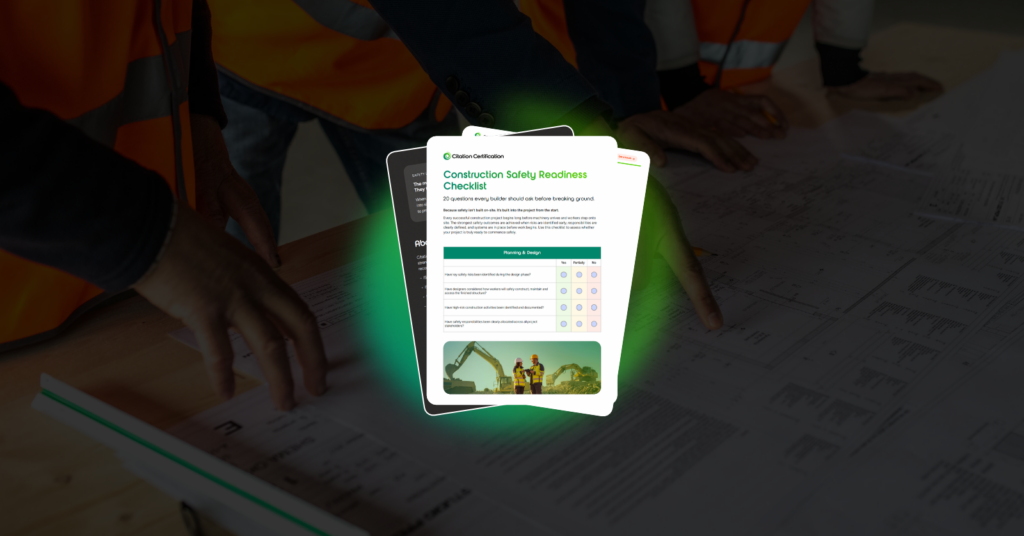

Safety isn’t built on site. It’s built into the project from the start — in...


Have your employees started submitting leave requests for December? Do your bar staff want to...
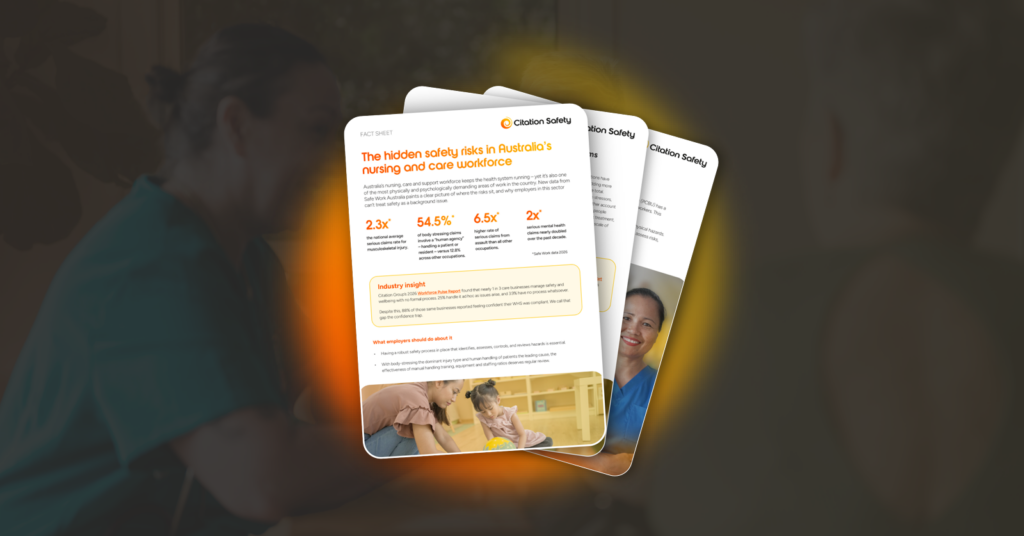
Nursing and care workers keep Australia’s health system running, and the work asks a lot...

Labour shortages. Multiple contractors and subcontractors. Tight deadlines. Client expectations. Compliance obligations across several sites...