







 HR & Safety Software
  ISO Training Academy
  foundU Client Login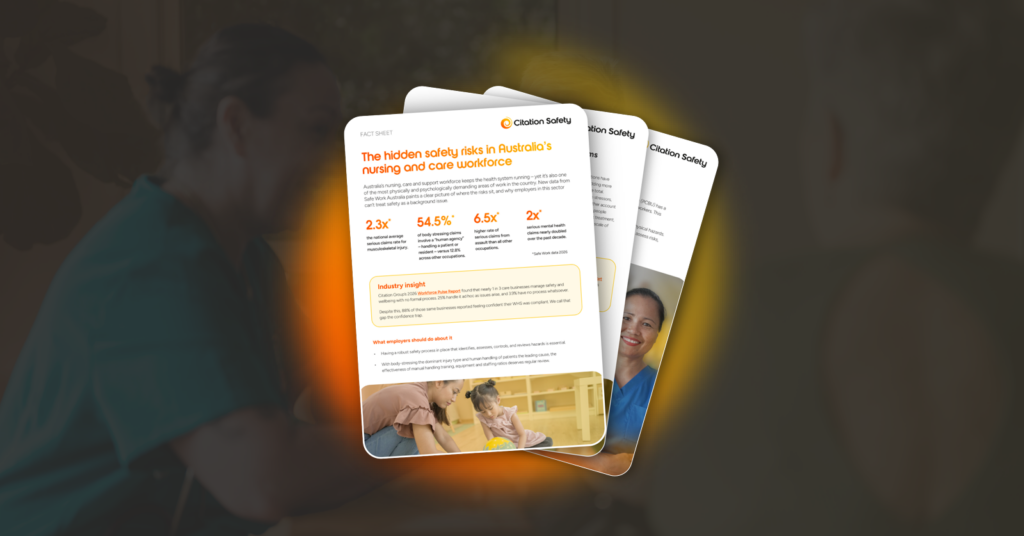

Guides
The hidden safety risks in Australia’s nursing and care workforce
Nursing and care workers keep Australia’s health system running, and the work asks a lot...
7 October, 2026
 Blogs
28 August, 2026
Blogs
28 August, 2026

The bargaining table is where an enterprise agreement gets drafted. It’s rarely where it gets won.
Under the Fair Work Act 2009 (Cth), an enterprise agreement is only made once a majority of employees who cast a valid vote approve it – 50 per cent plus one. From there, it still needs to be lodged with the Fair Work Commission and pass the Better Off Overall Test (BOOT) before it’s approved and comes into operation.
The vote itself sits with the broader workforce, not with the handful of bargaining representatives who spent months across the table from each other. An employer can walk out of every bargaining meeting at odds with the union or employee reps in the room and still see the agreement voted up, because the people who actually decide its fate were never in that room at all.
This matters more than it might first appear. Employers who focus their energy entirely on winning the argument at the table – outmanoeuvring a claim, holding a firm line, scoring points against a union representative – can lose sight of the audience that actually counts. If the wider workforce doesn’t understand or trust what’s been negotiated, no amount of table-side strategy will get it across the line.
Bargaining representatives are appointed to negotiate on behalf of a group, but they don’t cast the deciding votes. Employees who were never at the table – including those who aren’t union members – still get a say when the agreement goes to ballot. That means an agreement can fail even after reaching apparent consensus among reps, if the broader cohort doesn’t feel informed or persuaded. It can also succeed despite friction at the table, if employees are confident in what they’re being asked to approve.
For employers, the practical implication is straightforward: communication with the workforce needs to run in parallel with bargaining, not follow it. Waiting until a final agreement is ready before explaining anything to staff leaves a gap.
Regular, honest updates on how bargaining is progressing – how many meetings have been held, broadly what’s been discussed, where things stand – cost very little and go a long way. Employees don’t need every detail of every claim, but they do need to feel like active participants in a process that will ultimately affect their pay and conditions, even if they’re not the ones sitting across the table.
The Fair Work Act also builds transparency requirements into the final stages for good reason. Before any vote, employers must take reasonable steps to explain the terms and effect of the agreement to employees, including those from non-English speaking or other relevant backgrounds. This isn’t a box-ticking exercise. It’s the mechanism by which employees who weren’t part of the negotiation get enough understanding to vote with confidence.
Good faith bargaining obligations under section 228 of the Fair Work Act require employers and other bargaining representatives to attend meetings, disclose relevant information, respond to proposals in reasonable time, and give genuine consideration to what’s raised. None of this requires agreement on every point. What it does require is a process employees can see is being handled properly – and that perception filters through to the wider workforce well before any vote is held.
A consistent voice at the table matters here too. Employers who chop and change position, or send mixed messages about where negotiations stand, risk both a good faith bargaining complaint and a workforce that loses confidence in the process itself.
Enterprise bargaining is often approached as a contest to be won in the room. In practice, the outcome is decided by people who were never in it. Employers who treat workforce communication as a parallel workstream – not an afterthought once terms are settled – put themselves in a far stronger position when the agreement finally goes to a vote. The table shapes the agreement. The workforce decides whether it stands.
We recently held a webinar on this topic, which is free to watch. You can watch the recording here: Better bargaining: preparing for your next enterprise agreement
Nursing and care workers keep Australia’s health system running, and the work asks a lot...

Labour shortages. Multiple contractors and subcontractors. Tight deadlines. Client expectations. Compliance obligations across several sites...


Structured onboarding, a deliberate first 90 days rather than a pile of paperwork, is one...


“What we often see is businesses feel confident because they have HR policies or an...