







 HR & Safety Software
  ISO Training Academy
  foundU Client Login

Loved working with the auditors for our ISO Accreditation. They provided me with valuable feedback and observations that will certainly enhance the business. I felt very well supported during this process as it was my first audit experience.

ISO 27001 certification cost in Australia is determined by five key factors: the scope of your ISMS, the number of employees and sites in you business, the complexity of your information assets, your existing security posture, and whether you use an external consultant. If you’re comparing ISO 27001 certification options, understanding these upfront helps you budget accurately and avoid surprises.





Your ISO 27001 cost will depend on where your business sits. Here’s a general guide.
ISO 27001 is the international standard for ISMS. In Australia, total certification cost typically ranges from $6,000 for smaller businesses to more than $40,000 for large organisations. This is spread across three categories: initial certification fees, ongoing surveillance costs, and ISO 27001 implementation costs.





Our certification fee covers the full audit work across your three-year certification cycle, including Stage one and Stage two initial certification audit, annual surveillance audits, and your recertification audit at renewal.
We keep certification and consultancy separate. That independence is what makes your accredited certification credible and recognised. What you get from us is clarity at every step: experienced auditors, structured processes, and straight answers about where you stand.
If you need support getting ready, whether that’s gap analysis, documentation, or building out your ISMS, we can help guide you before the certification process begins.

ISO 27001 certification can only be issued by an accredited third-party certification body. In Australia, JAS-ANZ is the government-appointed body that accredits those certification bodies. JAS-ANZ accredited certification is required for government procurement, recognised by enterprise supply chain teams, referenced in cyber insurance applications, and relevant for businesses subject to the Australian Privacy Act and frameworks such as the ASD Essential Eight.
A non-accredited body might look cheaper upfront, but if your ISO 27001 certification fees don’t buy you a certificate that’s recognised where it needs to be, you’ll end up paying twice. Always verify accreditation status before you commit.
Once certified, annual surveillance audits keep your accredited status intact. The right certification body supports your security posture across the full three-year certification cycle, not just to help you clear the initial audit.

There are five practical ways to reduce your ISO 27001 certification cost without cutting corners on your compliance programs.
Loved working with the auditors for our ISO Accreditation. They provided me with valuable feedback and observations that will certainly enhance the business. I felt very well supported during this process as it was my first audit experience.

Thank you for working with us to obtain ISO 45001 Certification. The process was thorough, structured and efficient and the system enhancements we have made to achieve certification will benefit our company greatly.
The breadth of experience and technical expertise you brought to the process was invaluable and really appreciated by all the senior leadership team involved.

The collaborative relationship we’ve developed with Citation Certification has turned into a true partnership where our business needs are holistically understood and supported.
The auditor that was assigned to us was fantastic. He explained what was expected and required before the audit commenced. And even during the audit process, when things were being identified or uncovered, we could work quite dynamically. He was really accommodating and professional, and really quite pragmatic in the recommendations for improvement, which we’ve taken on board.

Our most recent audit cycle was one of the most positive experiences we’ve had since certifying to ISO/IEC 27001:2022, and the relaxed nature allowed us to engage in discourse that was open and honest about gaps and our plans to fix them.
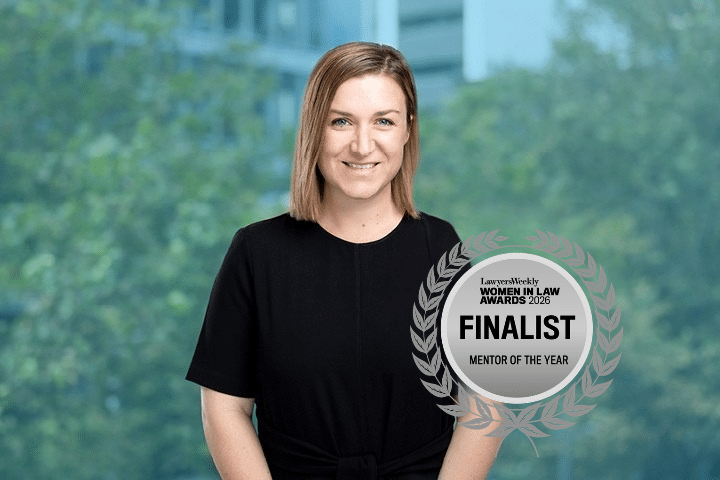
Brittany Byrne recognised as a finalist in the Mentor of the Year category.
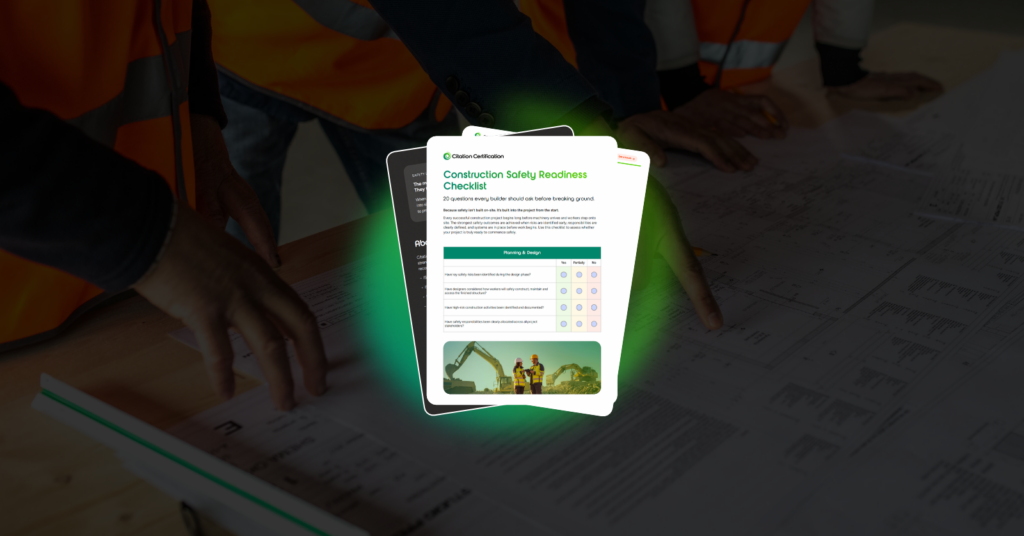
Safety isn’t built on site. It’s built into the project from the start — in...


Have your employees started submitting leave requests for December? Do your bar staff want to...
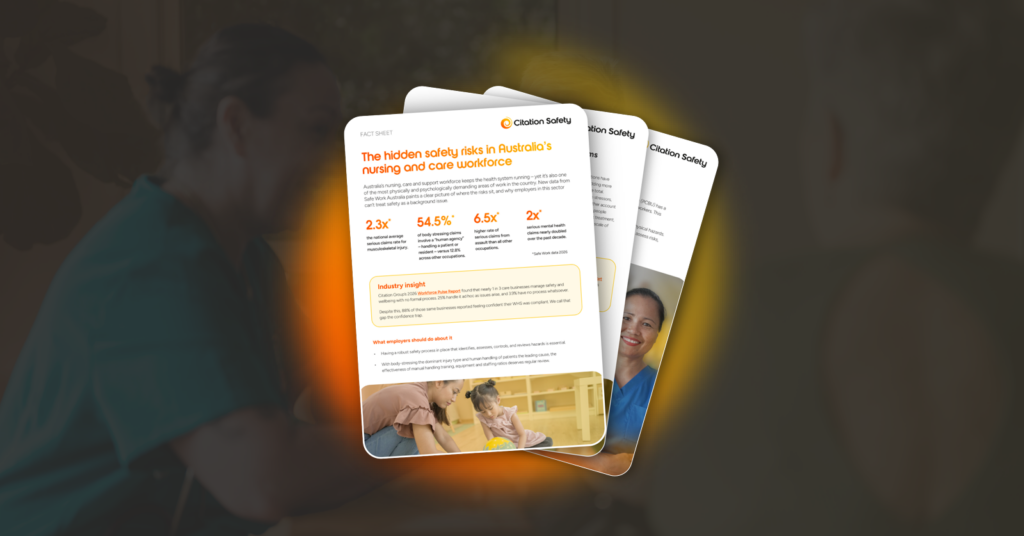

Nursing and care workers keep Australia’s health system running, and the work asks a lot...

Labour shortages. Multiple contractors and subcontractors. Tight deadlines. Client expectations. Compliance obligations across several sites...
ISO 27001 certification cost in Australia typically ranges from $6,000 for smaller businesses with a limited scope to more than $40,000 for large organisations with complex systems. The total cost depends on the size of your business, the scope of your ISMS, and the complexity of your information assets. A full three-year certification cycle includes the initial ISO 27001 certification audit, annual surveillance audits, and a recertification audit – all of which contribute to the total cost.
There are three main approaches: a DIY approach using internal resources and tools, hiring an external consultant, or using a compliance automation platform. A DIY approach can significantly reduce expenses if your team has the right expertise, but errors or gaps can add cost down the track. Hiring a consultant provides expert guidance but is typically the most expensive option. A compliance automation platform sits in the middle. It streamlines manual tasks and reduces implementation costs without the full outlay of consultancy. Whichever path you choose, the certification itself must be issued by an accredited third-party certification body.
Ongoing ISO 27001 costs include annual surveillance audits in years one and two of your certification cycle, plus a full recertification audit at the end of year three. You should also factor in annual maintenance costs such as internal audit activity, staff security training, and any compliance tools you use to streamline compliance between audits. These ongoing costs are typically lower than your initial certification fees but are a real and recurring budget item.
Certification body fees cover the audit work conducted by an accredited external auditor. This typically includes the Stage one documentation review, the Stage two on-site certification assessment, annual surveillance audits in years one and two, and a full recertification audit at the end of the three-year cycle. Implementation costs, such as gap analysis, documentation, and staff training, are separate.
The time to achieve ISO 27001 certification depends on your starting point. Businesses with strong existing security controls and a well-documented ISMS can move through the certification process faster. Those building an ISMS from scratch typically need several months of preparation before they’re ready for their initial certification audit. Once certified, your certification remains valid for three years, subject to passing your annual surveillance audits.
JAS-ANZ accreditation means a certification body has been independently assessed against international standards for competence and impartiality. For Australian businesses, JAS-ANZ accredited certification is the recognised standard for government procurement, enterprise supply chain requirements, and cyber insurance purposes. Not all certification bodies hold JAS-ANZ accreditation. Verifying this before you commit ensures your ISO 27001 certification will be recognised where it matters most.