







 HR & Safety Software
  ISO Training Academy
  foundU Client Login

Blogs
Brittany Byrne and Lisa Qiu selected for Elite Women 2026
Brittany and Lisa recognised by Australasian Lawyer and NZ Lawyer as Elite Women in 2026.
22 October, 2026
 Blogs
13 March, 2025
Blogs
13 March, 2025

Artificial intelligence (AI) is no longer a concept confined to science fiction; it has arrived and fundamentally transformed how we work. From streamlining mundane tasks to providing insights once unimaginable, it’s become an indispensable tool for businesses striving to stay competitive in an ever-evolving landscape. However, while the benefits of AI are undeniable, its integration into the workplace also presents significant challenges that require careful consideration.
So, how should businesses leverage AI to future-proof their operations and set themselves up for sustained success in an increasingly digitally reliant labour force?
Here, we explain AI and its impact on the workforce and why the changing nature of work is both an opportunity as well as a challenge for employers to overcome.
AI is revolutionising workflows across various industries by automating repetitive tasks, and its adoption in Australian companies is enhancing decision-making and enabling new forms of creativity. For example, customer service teams now utilise AI-powered chatbots to handle routine queries, freeing human agents to focus on more complex or emotionally sensitive issues. Similarly, in manufacturing, AI-driven workforce transformation can perform precision tasks faster and more accurately than humans, reducing errors and increasing output.
In the knowledge economy, tools like ChatGPT, CoPilot, and many others assist professionals in drafting content, conducting research, and analysing data. These tools have made it easier for individuals and teams to accomplish tasks that would’ve taken hours or even days, allowing them to redirect their efforts toward more strategic or creative pursuits.
However, AI isn’t just about increasing speed; it’s about transforming how work is done. AI systems can analyse vast datasets in seconds, uncovering patterns and insights that would be impossible for humans to detect. This capability empowers organisations to make data-driven decisions with unprecedented precision, whether it involves predicting consumer behaviour, optimising supply chains, or identifying market opportunities.
While the benefits of AI are substantial, integrating it into the workforce comes with significant risks. So, what are the impacts of artificial intelligence on the workforce? One of the most pressing concerns is job displacement. Automation has already rendered some roles obsolete, and as AI continues to evolve, more jobs may be at risk. A 2018 McKinsey report estimates that up to 375 million workers globally may need to switch occupations or acquire new skills by 2030 due to AI-driven automation.
The increasing reliance on AI raises questions about accountability. When an AI system makes a mistake, who is responsible? Establishing clear accountability guidelines will be crucial as AI becomes more integrated into decision-making processes.
The key to effectively leveraging AI lies in finding a balance between embracing its benefits and addressing its challenges. This requires a multi-faceted approach:
AI is reshaping the nature of work, automating routine tasks and amplifying the value of human skills like creativity, empathy, and problem-solving. This transformation presents an opportunity to prioritise human potential and well-being, but achieving it requires collaboration. Businesses must invest in people as much as technology, and governments must ensure AI’s benefits are shared equitably. With careful management of risks, we can harness AI to create a more inclusive, ethical, and sustainable future of work.
HR policies are a simple way to ensure your business is well-equipped to handle several common workplace issues. Our HR software solution allows you to download HR policies and more. Better yet, Citation HR’s workplace relations specialists will draft tailored HR policies to suit your unique business needs.
If any of this information has raised questions or concerns about AI workplace regulations for your business or you have another workplace matter you need assistance with, why not put our HR advice to the test? Arrange a complimentary workplace compliance consultation today.
Grant Kapp (B.Comm Law, RQF Level 6 Honours Degree Law ) is a Senior Workplace Relations Consultant at Citation HR and assists our clients from a wide range of industries via the HR Advice Line.
Brittany and Lisa recognised by Australasian Lawyer and NZ Lawyer as Elite Women in 2026.

Every business ends the year with a couple of loose ends – the performance issue...
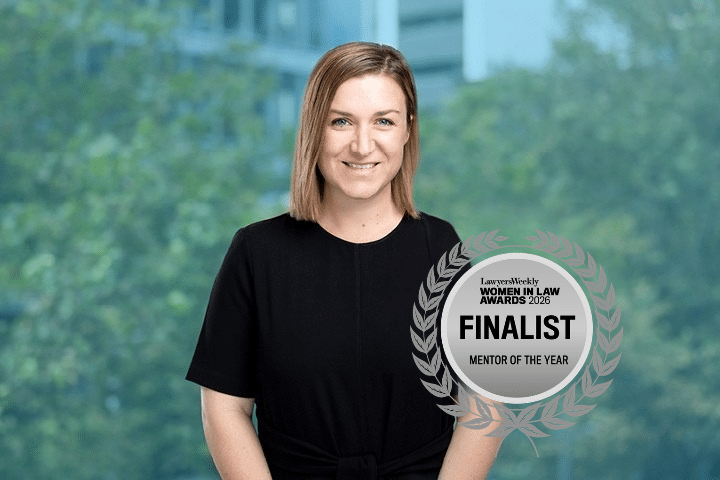
Brittany Byrne recognised as a finalist in the Mentor of the Year category.
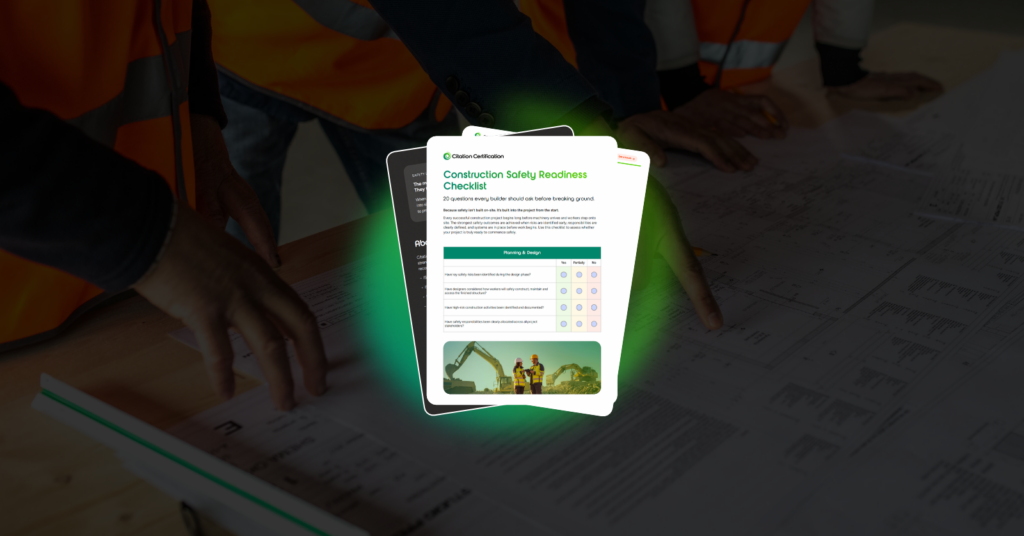

Safety isn’t built on site. It’s built into the project from the start — in...

Have your employees started submitting leave requests for December? Do your bar staff want to...