










 HR & Safety Software
  ISO Training Academy
  foundU Client Login
 Let’s talk about stress

When workplace stress becomes excessive or prolonged, it can lead to significant physical and psychological harm.
Hazardous chemicals: a step-by-step guide to safe chemical storage

Improper storage of hazardous chemicals can result in devastating consequences, including fires, explosions, toxic exposure, and severe environmental harm.
New psychosocial regulations in VIC: what employers need to know

Victoria is preparing for a major development in workplace health and safety, with new psychosocial regulations set to commence on 1 December 2025.
Toolbox talks: an employer’s guide to safer workplaces.
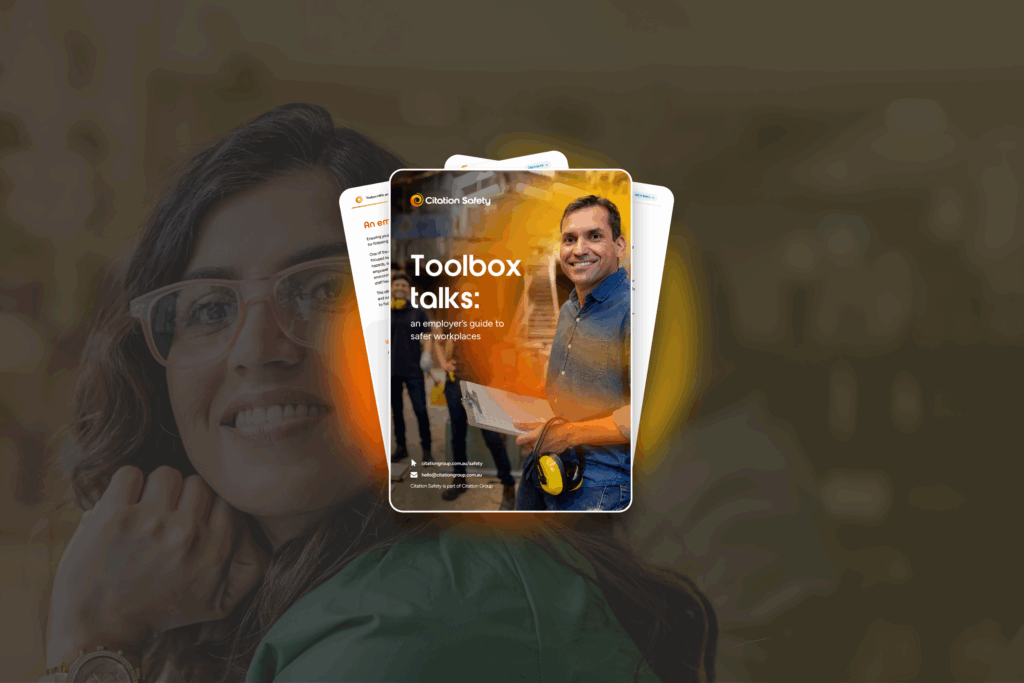
Creating a safer workplace doesn’t have to be complicated. Toolbox talks are a proven, easy-to-use tool that can enhance team awareness, strengthen safety culture, and even save lives. The best …
UTS schooled by SafeWork NSW: the restructuring lesson every employer must learn

Restructuring an organisation is never an easy task, but it’s crucial to approach it with care and consideration, especially when it comes to the mental wellbeing of your staff.
What’s workplace bullying, and how do you stop it?
Recent legislative reforms in New South Wales (NSW) have reinforced the responsibility of employers to ensure safe, respectful workplaces.
What’s PPE, and how do you use it?

From construction sites to healthcare settings, PPE provides a critical layer of defence, and its correct use can mean the difference between safety and serious harm.
Clearing the air: new exposure limits on the horizon

From 1 December 2026, new Workplace Exposure Limits (WELs) will officially replace the current Workplace Exposure Standards (WES) across Australia.
QLD’s new WHS sexual harassment requirements: everything you need to know

The Queensland Government has introduced critical new requirements for businesses to proactively manage the risks associated with sexual harassment in the workplace.
How to handle a trip or fall in the workplace: a guide for employers

It’s important for all workers and employers to understand how to respond appropriately when someone trips or falls.